REVIEW · PRIVATE
Architectural Budapest: Private Tour with a Local Expert
Budapest tells its story in stone. This two-hour private walk links grand churches, Art Nouveau details, royal landmarks, and modern design with a local guide who can shape the route around your interests. I like the one-to-one format and the chance to see both famous buildings and less obvious corners. I also like that the guide can adjust the pace and focus, rather than forcing every group through the same script.
The main drawback is the price: $578.41 for up to two people is a serious charge for roughly two hours, especially since transport, museum entry, and monument tickets are not included. You are paying for privacy, flexibility, and a local perspective, not a long list of included admissions.
In This Review
- Key points at a glance
- Why this short architecture tour can work
- Starting beneath the dome of St. Stephen’s Basilica
- Andrássy Avenue and the Hungarian State Opera House
- The Postal Savings Bank’s playful Art Nouveau
- Parliament beside the Danube
- Castle Hill, Matthias Church, and Fisherman’s Bastion
- Hotel Budapest and the modern side of the skyline
- What the flexible format really gives you
- Price, pace, and the value for two people
- Who should book this experience?
- Should you book Architectural Budapest?
- FAQ
- How long is the Architectural Budapest tour?
- How many people can join the private tour?
- Where does the tour begin?
- Where does the tour end?
- Are transport tickets and monument admissions included?
- Can the itinerary be changed?
- What is the cancellation policy?
Key points at a glance
- Private for up to two people: You get an exclusive guide rather than a large group, which makes questions and changes to the route much easier.
- Seven contrasting sights: The route moves from St. Stephen’s Basilica and the Opera House to the Postal Savings Bank, Parliament, Castle Hill, and the modern Hotel Budapest.
- A useful citywide view: The tour connects Pest and Buda, helping you see how Budapest’s skyline changed from imperial grandeur to modern design.
- Flexible focus: Your interests and walking pace can shape the experience, with stops varying in poor weather.
- Guide quality matters: Beata has been praised for adjusting the tour to a group’s interests and including unusual places such as Szimpla Bar.
- Plan for extra costs: Transportation, museum admissions, monument entries, and personal purchases are outside the tour price.
Why this short architecture tour can work
Budapest rewards anyone who looks up. A grand facade may reveal a political message, a religious purpose, or a fashion from a particular decade. This experience is built around that habit of looking carefully, with an independent local explaining how the city grew and why its buildings look so different from one another.
The route is especially useful because it does not stay in one small quarter. It begins at St. Stephen’s Basilica in central Pest and finishes in the Buda district at Szilágyi Erzsébet fasor 47. Along the way, you cover major parts of the city’s architectural story, from neoclassical and neo-Renaissance design to Art Nouveau, Gothic Revival, medieval buildings, and modernism.
Two hours is enough for a focused introduction, but not enough for long interior visits at every stop. You should think of this as a guided city walk with architectural interpretation, not a museum tour. If you want to enter several buildings, ask in advance what can be visited inside and what will be viewed from outside.
The private setup gives the experience its strongest practical advantage. You can ask why a facade uses a certain style, pause for photographs, or shift the emphasis toward churches, urban design, politics, or modern buildings. A large group would make that harder.
More things to do in Budapest:
- Budapest: City Highlights Cruise with Welcome Drink
★ 4.6 · 35,610 reviews - Budapest: Unlimited Prosecco, Beer and Aperol Spritz Cruise
★ 4.8 · 25,310 reviews - Budapest: Széchenyi Spa Day Ticket with Optional Upgrades
★ 4.3 · 23,911 reviews
Starting beneath the dome of St. Stephen’s Basilica
The meeting point is St. Stephen’s Basilica, at Szent István tér 1. This is a sensible place to begin because the church immediately gives you a large, clear example of Budapest’s neoclassical taste.
The basilica is known for its grand dome and its importance as a religious landmark. Even if you are not deeply interested in church architecture, the scale helps set the tone for the rest of the walk. Your guide can use the building to explain how religion, national identity, and city planning intersected in Budapest.
Do not assume that entry is included. Museum and monument tickets are excluded, so any interior visit or paid access would need separate payment. If your group cares about the inside as much as the exterior, confirm the plan before the tour begins.
The square also makes a practical meeting point. It is central and near public transportation, but the tour itself does not include transport tickets. Ask your guide early how the group will move between distant areas, particularly because the final address is across the river in Buda.
Andrássy Avenue and the Hungarian State Opera House
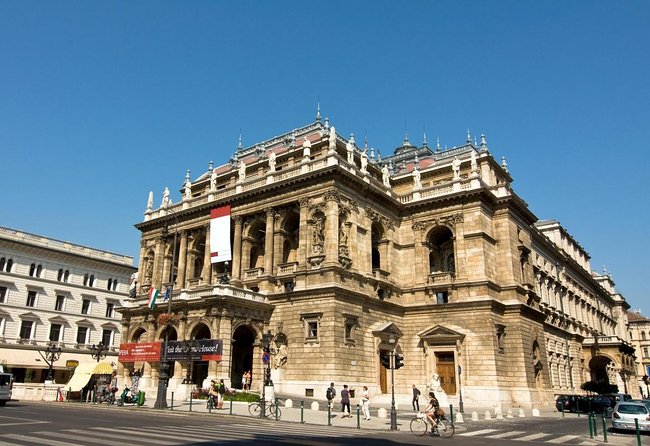
From the basilica, the architectural story moves toward Andrássy Avenue and the Hungarian State Opera House. The Opera House is celebrated for its neo-Renaissance design and for its role in Budapest’s cultural life.
This is one of the stops where architecture and performance meet. The building was made to impress, but it also served a clear public purpose: opera and high culture. Your guide can help you read the difference between decorative display and practical design, a useful skill when you continue along the avenue.
Andrássy Avenue itself is part of the experience, not just a road between buildings. It is a historic boulevard lined with impressive structures and luxury shops. Walking here gives you a sense of the city’s urban ambition, with long views and a more formal street plan than you find in older parts of Buda.
The possible weakness is time. The Opera House and the avenue could easily fill a full morning for anyone who wants to study details or visit inside. On this tour, expect a selective explanation rather than a complete examination of every facade.
The Postal Savings Bank’s playful Art Nouveau
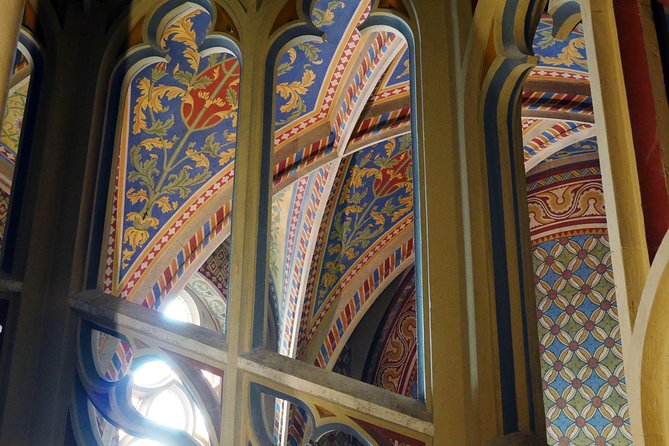
The Postal Savings Bank offers a sharp change of mood. Its early 20th-century Art Nouveau design brings decorative art into a building meant for everyday financial business.
That contrast makes it a valuable stop. You see that Budapest’s architectural history is not only about churches, palaces, and government buildings. A practical institution such as a savings bank could also use bold decoration and a distinctive visual identity.
The building represents a period when architects and clients were testing new ways to combine function with ornament. Instead of treating the structure as a plain container for offices, they made the exterior part of the public experience.
This is also the kind of stop that justifies having a local guide. If you walked past it alone, you might notice the unusual design without knowing why it matters. A short explanation can turn an unfamiliar facade into a useful clue about Budapest’s changing taste.
A few more options to weigh up in Budapest
- Private Budapest TukTuk Tour: Custom Route, Hotel Pickup
★ 5.0 · 1,307 reviews - Budapest Essentials Private Tour Highlights and Hidden Gems
★ 5.0 · 861 reviews - Budapest Private Tuk Tuk Half-Day Tour
★ 5.0 · 606 reviews - Budapest One Way Private Transfer to or from Airport
★ 4.5 · 548 reviews
Parliament beside the Danube
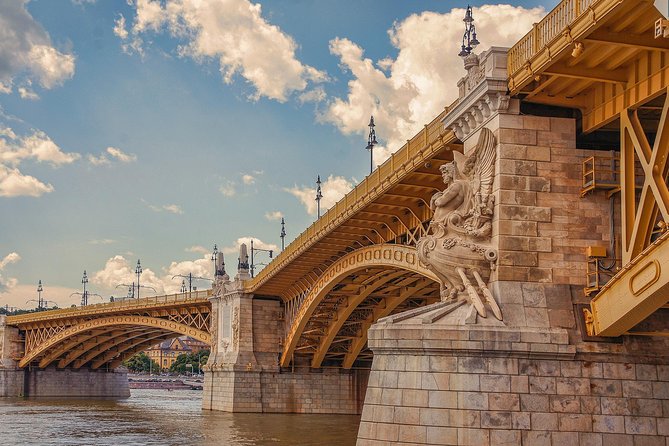
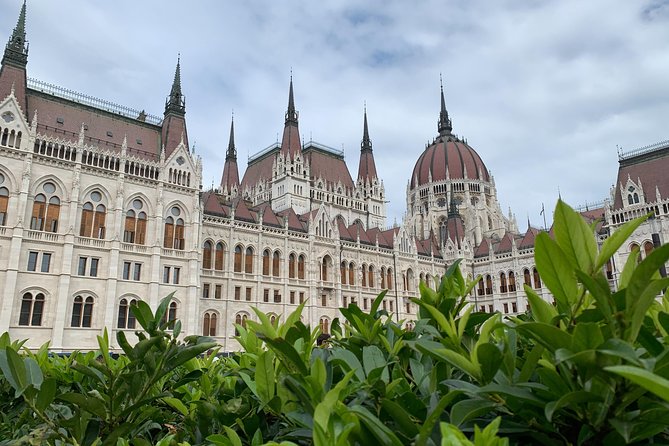
The Hungarian Parliament Building brings the tour back to one of Budapest’s most recognizable sights. Along the Danube, its Gothic Revival design links the riverfront to the political history of Hungary.
The building is not simply a pretty riverside view. It represents the national government and the country’s political center, so its style carries symbolic weight. Gothic Revival architecture often looked backward for inspiration, and here that historical language helped create a powerful public image.
Expect this stop to focus on the exterior and the building’s place in the city. Parliament is a major attraction in its own right, but entry tickets are not included in the tour. If you want an interior visit, that needs separate planning.
The riverfront setting also helps you understand Budapest as two connected cities. Pest’s grand civic buildings face the Danube, while Buda rises across the water with its castle district and hills. That visual relationship is one of the best reasons to choose an architecture tour rather than a simple list of monuments.
Castle Hill, Matthias Church, and Fisherman’s Bastion
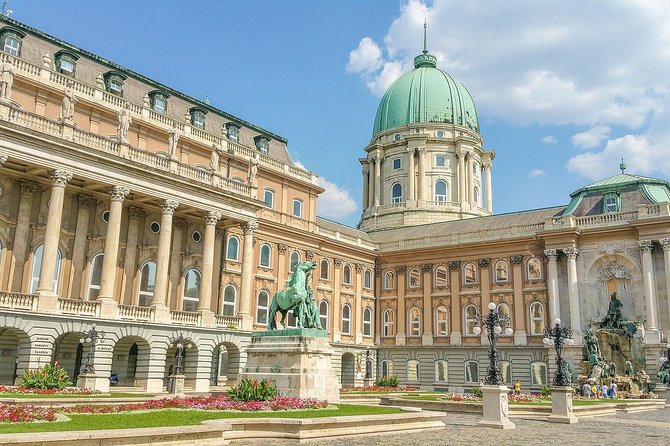
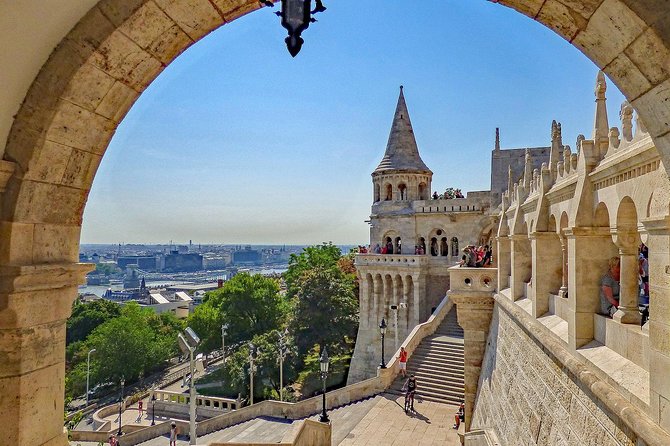
Castle Hill changes the subject from modern city growth to Budapest’s medieval past. The district includes Buda Castle, Matthias Church, and Fisherman’s Bastion, giving you several different examples of historic design in one area.
Buda Castle is important here because it has helped shape Budapest’s skyline. Its position above the city gives it a strong visual role, and your guide can explain how the castle district influenced the way Budapest is seen from the river and from Pest.
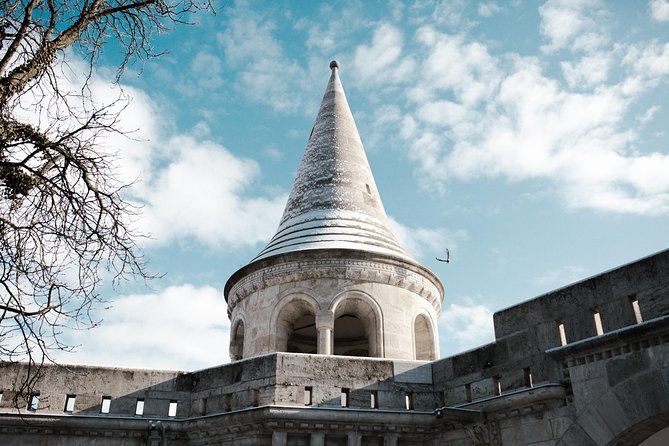
Matthias Church adds a religious and medieval layer. Fisherman’s Bastion brings a more dramatic architectural setting, with its pale stone forms and elevated views. Together, these buildings show how a historic district can contain different periods and purposes rather than one single style.
Castle Hill is likely to be one of the most rewarding parts of the experience for anyone who wants atmosphere as well as facts. It is also one of the places where walking conditions matter most. The tour is not recommended for people with impaired mobility, and you should be comfortable with a route that may include uneven surfaces, slopes, or extended walking.
Because the listed duration is only about two hours, you may not receive a full exploration of every castle district building. The guide will need to choose what best suits your interests. If medieval Budapest is your priority, say so at the beginning and ask for more time here.
Hotel Budapest and the modern side of the skyline
The final architectural contrast is Hotel Budapest, a cylindrical hotel in the Buda district. Its modernist form looks very different from the classical, baroque, and medieval buildings earlier in the route.
That difference is the point. Budapest is not frozen in an imperial postcard. The city continued to build, experiment, and adapt, and Hotel Budapest gives you a clear example of modern design entering an older city.
The building may appeal most to people who enjoy the tension between old and new. You can compare its simple cylindrical shape with the ornament of the Opera House, the decoration of the Postal Savings Bank, and the historical references of Parliament and Castle Hill.
The tour ends at Szilágyi Erzsébet fasor 47, 1026 Budapest. This is not the same place as the starting point, so plan your next activity with the end address in mind. The experience concludes with recommendations for further city discovery, which can be helpful if you want to keep exploring Budapest’s architecture after the guide leaves.
What the flexible format really gives you
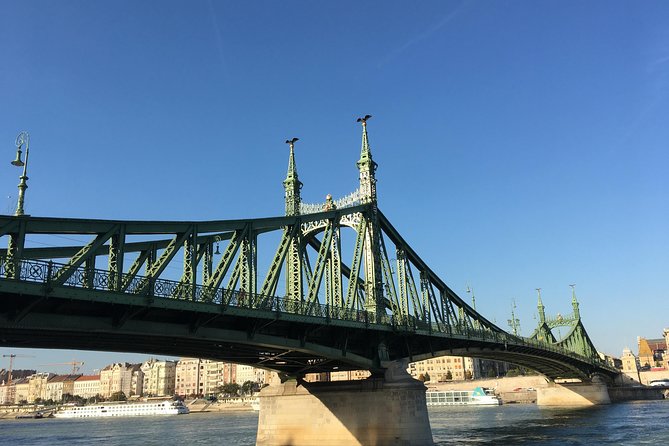
The phrase tailored itinerary matters here. The guide can adapt the tour to your interests and walking pace, and the stops may change with weather conditions. That gives you more control than a fixed group excursion.
You might ask for a stronger focus on:
- Religious buildings and church design
- The political meaning of Parliament and Buda Castle
- Art Nouveau details and early 20th-century architecture
- Modern buildings such as Hotel Budapest
- Budapest’s changing identity after regaining independence
- Less familiar city corners and local meeting places
One particularly useful example comes from Beata, a guide associated with this experience. She was praised for adjusting the tour to parts of the city a group had barely seen and for including subjects that worked for different ages, such as the Opera House and Szimpla Bar.
That last detail is worth noting. Szimpla Bar is not listed as one of the fixed architectural stops, so you should not assume it will be included. But it shows the kind of adjustment that may be possible when you explain your interests clearly. Ask for a balance of major sights and less formal places if you want to see more than monumental Budapest.
Price, pace, and the value for two people
At $578.41 per group of up to two, the cost works out to about $289.21 per person if two people share it. That is expensive for a two-hour experience. The value depends on how much you care about private guidance and personal control.
I would consider it worthwhile for a couple with a strong interest in architecture, especially if you want to ask many questions or shape the route around a specific theme. It can also suit people who have only a short time in Budapest and want a fast, thoughtful orientation instead of a standard sightseeing circuit.
I would be more cautious if you mainly want entrance to famous buildings. Tickets are not included, and two hours passes quickly. You may get more value from a longer public tour if your priority is low cost, or from booking individual monument visits if interiors matter most.
The tour is booked, on average, 26 days ahead. That suggests you should plan early if your Budapest dates are fixed, particularly because the experience is private and limited to one group of up to two.
Who should book this experience?
I would recommend it to couples, close friends, or parents traveling with one child who want a guide’s attention without a large group. It is also a good match for architecture students, design fans, photographers, and repeat visitors who have already seen the obvious sights.
Families can benefit from the flexible format. The guide can bring in different subjects for different ages, as Beata did with opera and Szimpla Bar, instead of giving one long technical lecture.
I would not choose it for anyone with significant mobility limits. The route crosses central Budapest and Buda, and the experience is built around walking. I would also skip it if you want a slow interior-focused visit to churches, Parliament, and the Opera House.
Confirmation is provided when you book, and service animals are allowed. Most people can participate, but personal expenses and all transport or admission costs remain separate. Free cancellation is available up to 24 hours before the start time. Inside that window, the payment is not refunded and changes are not accepted.
Should you book Architectural Budapest?
Book it if you want a private architectural conversation, not simply a procession of famous buildings. The range is strong: St. Stephen’s Basilica, the Opera House, Andrássy Avenue, the Postal Savings Bank, Parliament, Castle Hill, and Hotel Budapest show Budapest changing across centuries.
The price is the clear barrier. For two people, it is a premium purchase, and the short duration means you need to state your priorities at the start. Ask about transport between the Pest and Buda stops, confirm which buildings will be viewed from inside, and tell the guide if you prefer medieval, Art Nouveau, political, or modern architecture.
If you do that, this can be a sharp and personal introduction to Budapest’s built character. If you want the cheapest way to see the city, choose another option. If you want a flexible expert-led route with room for questions and unusual additions, this private tour has a strong case.
FAQ
How long is the Architectural Budapest tour?
The experience lasts approximately two hours.
How many people can join the private tour?
The price covers one private group of up to two people. Only your group participates.
Where does the tour begin?
It begins at St. Stephen’s Basilica, Budapest, Szent István tér 1, 1051 Hungary.
Where does the tour end?
The tour ends at Budapest, Szilágyi Erzsébet fasor 47, 1026 Hungary.
Are transport tickets and monument admissions included?
No. Transportation, museum tickets, monument entries, and personal expenses are not included.
Can the itinerary be changed?
Yes. The itinerary adapts to your interests and walking pace. Stops may also vary depending on weather conditions.
What is the cancellation policy?
You can receive a full refund by cancelling at least 24 hours before the local start time. Cancellations or changes made less than 24 hours before the experience are not refunded or accepted.
Just added in Budapest
- Budapest: Private Walking Tour with a Local Guide★ 3.6 · 6 reviews
- Budapest: City Bike Tour with Coffee Stop★ 5.0 · 37 reviews
- Budapest: Danube River Views Bike Ride★ 4.8 · 23 reviews
- From Budapest: Guided Tour of Eger with Wine Tasting★ 4.5 · 6 reviews
- Walk to recent and aged spiritual sanctuaries near Budapest★ 5.0 · 5 reviews
- Walking consultancy with alternative psychologist and author★ 5.0 · 2 reviews
- Budapest: Guided Tour of the Parliament Building in Spanish★ 4.6 · 1,240 reviews
- Budapest: 3-Hour Trabant Sightseeing Tour★ 4.7 · 28 reviews
Private, compared.

Private Budapest TukTuk Tour: Custom Route, Hotel Pickup
Read our review →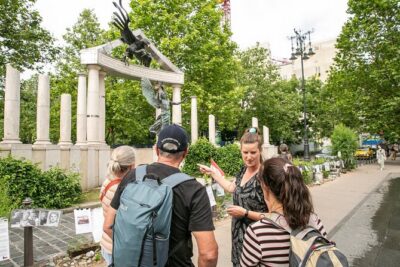
Budapest Essentials Private Tour Highlights and Hidden Gems
Read our review →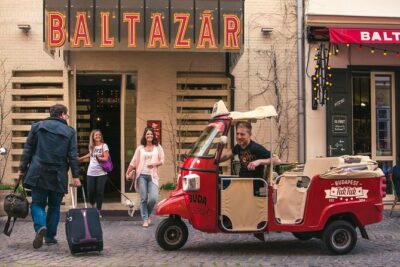
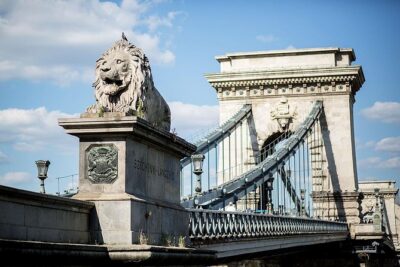
Budapest One Way Private Transfer to or from Airport
Read our review →
Budapest Private Luxury Sightseeing Tour with Guide and Transport
Read our review →
Private Budapest City tour with Classic Russian Jeep or G-Wagon!
Read our review →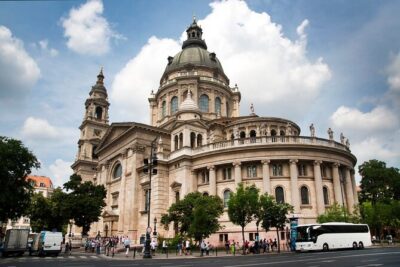
Budapest Private Full Day City Sightseeing Tour Walking or by Car
Read our review →