
REVIEW · DESSERT TOURS
Budapest: Coffee House Tour with Cofffee & Dessert Tasting
Coffee tells Budapest’s story. This 2.5-hour tour connects historic coffee houses with Hungarian cakes, tea, and coffee, giving you a tasty way to understand the city’s old social life. I like the mix of food and culture, and I like that the guide also points out monuments along the route.
The tour’s main strength is its relaxed focus on traditional sweets, from Austro-Hungarian-era creations to more recent treats shaped by communism. The main consideration is price: at $106 per person, it costs more than a simple café visit, so you should book it for the guide and context, not just for dessert.
In This Review
- Key points at a glance
- Why Budapest’s coffee houses matter
- Meeting beside the Hungarian State Opera House
- What the 2.5-hour route feels like
- The dessert tasting, from imperial cakes to retro treats
- Coffee, tea, and the value of sitting down
- A food tour that adds monuments and city stories
- Is $106 per person a fair price?
- Who will enjoy this coffee-house tour?
- Booking flexibility and practical planning
- My verdict on Budapest’s coffee-house tour
- FAQ
- Where does the tour meet?
- How long does the tour last?
- What is included in the experience?
- What language is the tour conducted in?
- Is the tour wheelchair accessible?
- Can I book a private group?
- How much does the tour cost?
- Can I cancel for a full refund?
- Can I reserve now and pay later?
Key points at a glance
- Meet at the Hungarian State Opera House: The tour begins at a central, easy-to-identify landmark.
- Taste Hungarian desserts: You sample several sweets rather than stopping for one pastry and coffee.
- Connect food with history: Your guide explains how Budapest’s coffee houses shaped social and artistic life.
- Includes tea and coffee: The tasting is built around the drinks that made these cafés famous.
- Bianka brings extra city context: Her tour also covered monuments, adding more sightseeing value to the food walk.
- Private groups are available: You can choose a more personal format if that option suits your budget and plans.
Why Budapest’s coffee houses matter
Budapest’s old coffee houses were not simply places to grab a quick drink. During the period when Hungary belonged to the Austro-Hungarian Monarchy, cafés became meeting places for prominent people, artists, writers, and anyone who wanted to spend time in a public room with coffee and conversation.
That background gives this tour a stronger purpose than a standard pastry crawl. You are not only tasting cakes. You are learning why coffee houses mattered to city life and how food, art, politics, and daily conversation met under one roof.
I find that useful because Budapest can sometimes feel like a city of grand buildings viewed from the outside. A coffee-house tour gives you a more human angle. It asks how people used those buildings, what they ate, and how long they stayed.
The experience also recognizes that Hungarian food culture did not stop in the imperial period. Some traditional desserts grew out of that older Central European setting, while the communist period left its own mark on café culture. The tour brings both eras into the tasting, which should give you a broader sense of Budapest than a simple list of famous pastries.
More coffee houses in Budapest:
- Grand Segway Tour of Budapest – Private Tour with Coffee Stop
★ 5.0 · 163 reviews - Budapest: City Bike Tour with Coffee Stop
★ 5.0 · 37 reviews - Castle District tour with Matthias Church Ticket & Cake & Coffee
★ 5.0 · 31 reviews
Meeting beside the Hungarian State Opera House
You meet your guide directly in front of the Hungarian State Opera House. This is a practical starting point in central Budapest, and the landmark should make the meeting point easy to identify.
I recommend arriving with enough time to find the front of the building without rushing. The tour lasts 2.5 hours, and a late start could cut into the food and conversation that make the experience worthwhile.
The meeting point also sets the tone. You begin among some of central Budapest’s grand architecture before moving into the city’s café culture. The location lets the tour combine food with a little wider sightseeing from the start.
The route itself is not described with a fixed list of café names, so I would not book this expecting a precise checklist of famous interiors. Instead, think of it as a guided introduction to Budapest’s coffee-house tradition, supported by several tasting stops.
What the 2.5-hour route feels like
The tour is long enough to feel like a proper morning or afternoon activity, but short enough to fit beside other Budapest plans. Its timing should suit you if you want a focused introduction to local desserts without giving up half a day.
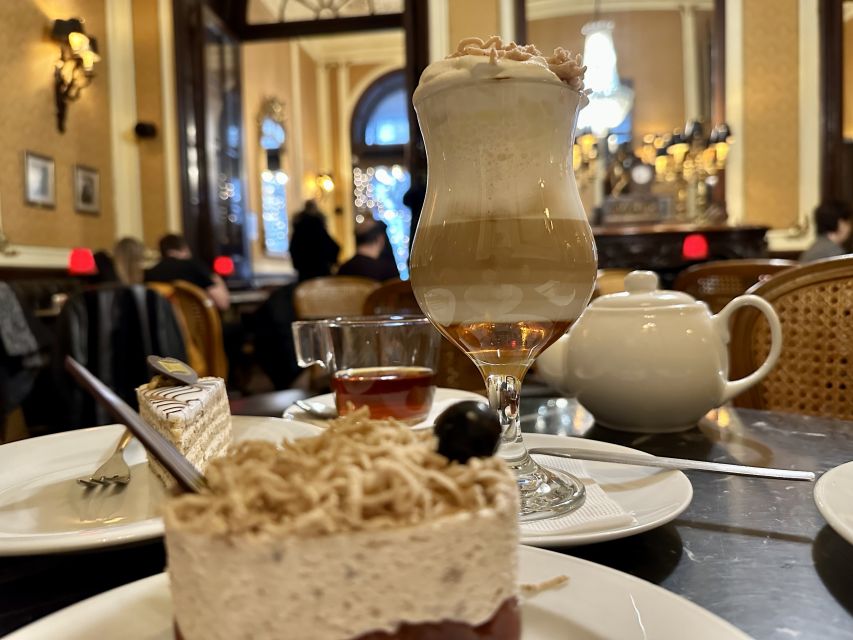
Your guide leads the walk between coffee houses and explains Hungarian culture as you eat. The food is not treated as a separate add-on. It is the main tool for explaining how Budapest developed its café habits and dessert traditions.
You will likely spend part of the time walking through central streets and part of the time seated in cafés. The exact balance can vary, since coffee houses are working businesses rather than museum rooms. That is part of the appeal, but it also means the atmosphere may depend on the day and the pace of each stop.
The guide’s role matters here. A plate of cake can be pleasant on its own, but it becomes more memorable when you know why it belongs to Hungarian culture. Bianka received especially warm praise for explaining the different cakes and adding comments about monuments around the city. That combination makes the tour feel less narrowly focused on food.
The dessert tasting, from imperial cakes to retro treats
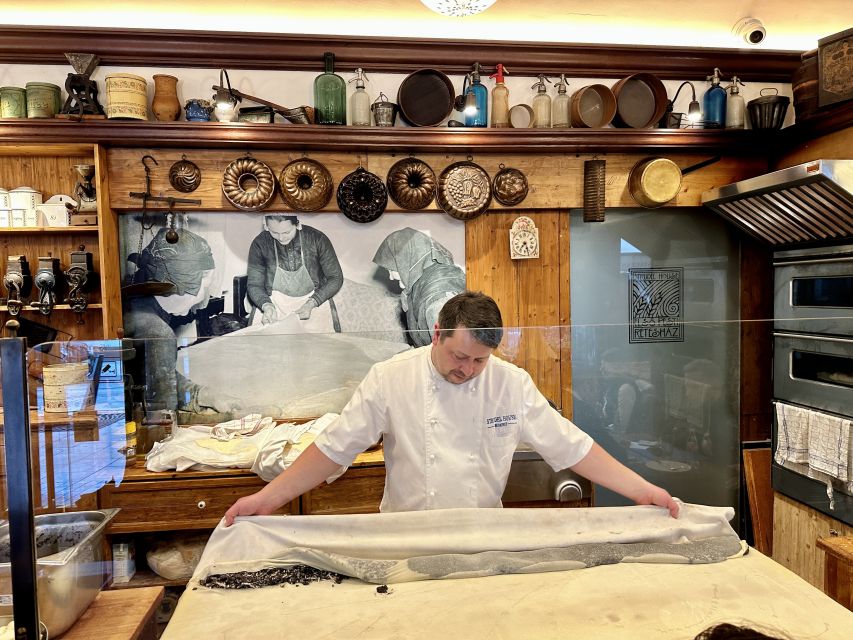
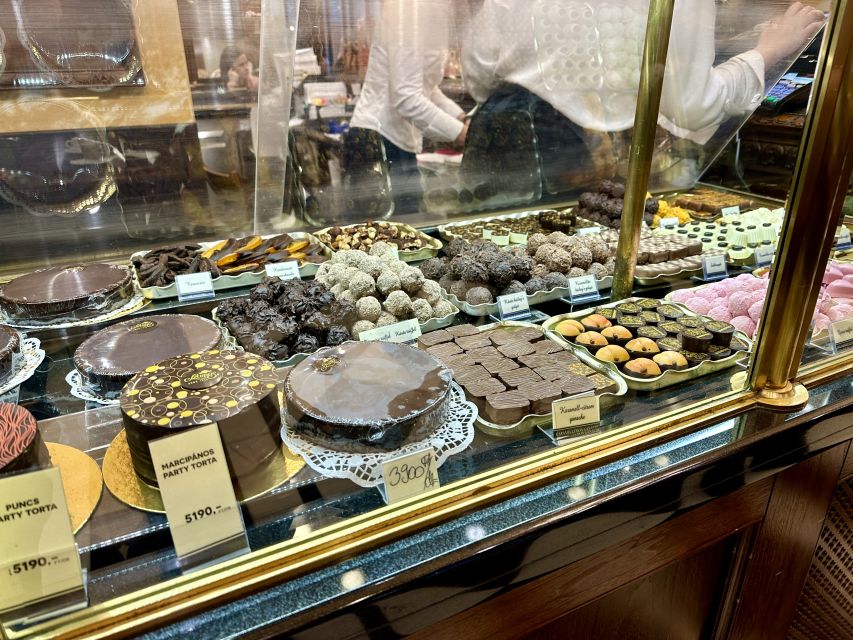
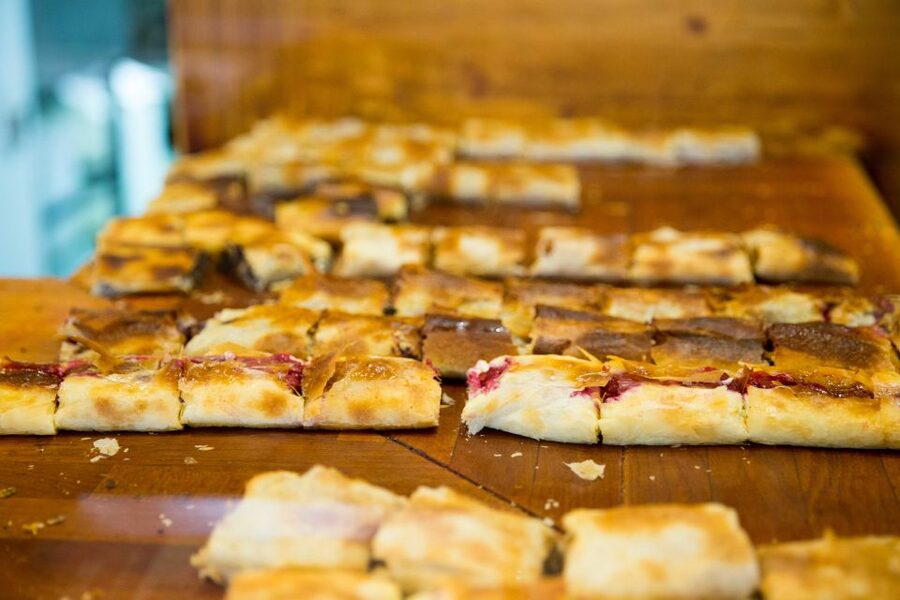
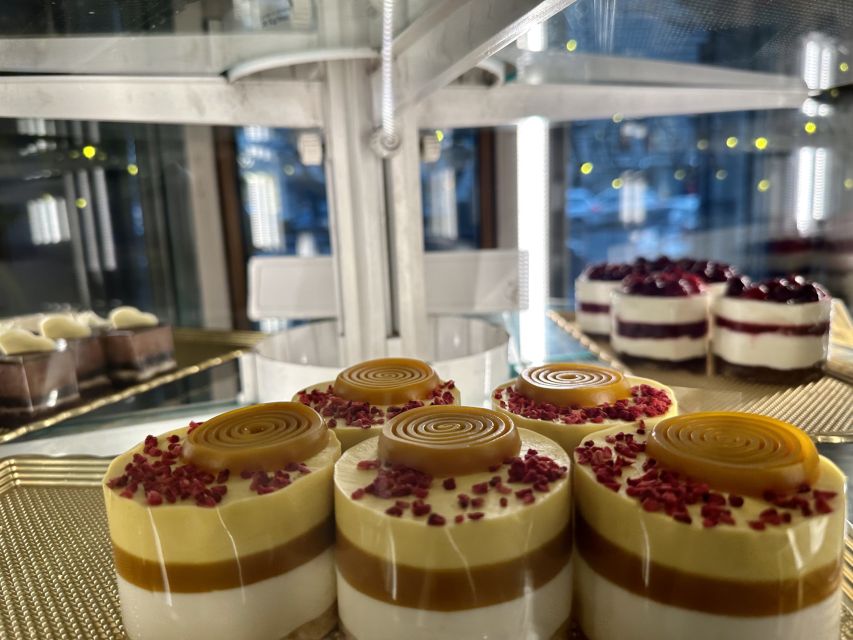
The sweets are the heart of the experience. You taste various Hungarian desserts with coffee or tea, with the guide explaining what you are eating and how it fits into the country’s food traditions.
The description points to two broad influences. One comes from the Monarchy, when Hungarian and Austrian cultural life often overlapped. The other comes from the communist period, which produced its own retro cafés and familiar styles of food.
That contrast is useful. It keeps the tasting from presenting Hungarian dessert as one unchanging tradition. You get a sense that recipes and café habits reflect political and social changes, not just family kitchens.
I also like the way the tour treats the sweets as part of a larger meal of ideas. You can ask questions, compare flavors, and hear stories while sitting with your drink. The experience is less formal than a cooking class and more informative than simply ordering cake from a menu.
Still, you should keep your expectations sensible. The available information does not name the exact desserts or promise specific cakes on every departure. If you have a particular pastry in mind, ask the provider before booking rather than assuming it will be included.
The same applies to dietary needs. The tour includes various Hungarian desserts, tea, and coffee, but no special dietary arrangements are stated. If allergies or restrictions affect what you can eat, contact Budapest Urban Walks in advance.
More cake and pastry stops in Budapest:
- Budapest: Hungarian Chimney Cake Workshop in the City Center
★ 4.8 · 885 reviews - Chimney Cake Workshop Budapest Downtown – Kürtőskalács Class
★ 5.0 · 220 reviews - Budapest: Summer Brunch & Cruise with Prosecco or Cake
★ 4.2 · 193 reviews - Budapest Street Food Tour with Local Snacks, Dessert and Beer
★ 5.0 · 121 reviews
Coffee, tea, and the value of sitting down
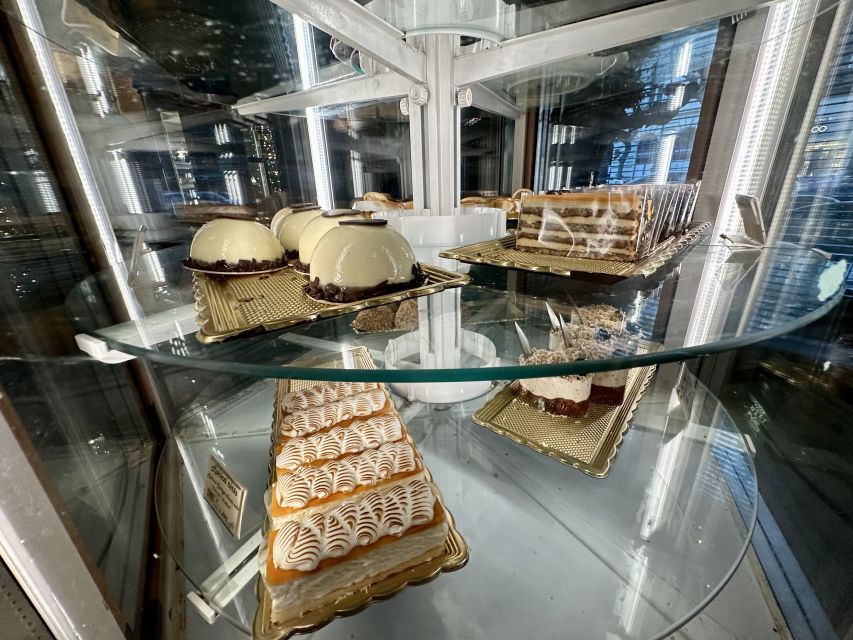
The inclusion of coffee and tea matters because the drink is part of the culture being explained. Budapest’s coffee houses were built around lingering, not just consuming a beverage and leaving.
A café stop gives you time to listen and absorb the setting. You can look at the room, notice how the café functions today, and connect the guide’s stories to the place around you. That pause is especially helpful after walking through central Budapest.
You can choose the drink that suits you, though the information does not specify the number of servings or particular coffee styles. The focus is on pairing the drinks with desserts and using the café setting to explain Hungarian customs.
I would not choose this experience if you only want the fastest possible list of local foods. The value comes from the time spent listening, sitting, and discussing the city. If you prefer a quick snack between major sights, a regular café visit will cost less and take less time.
A food tour that adds monuments and city stories
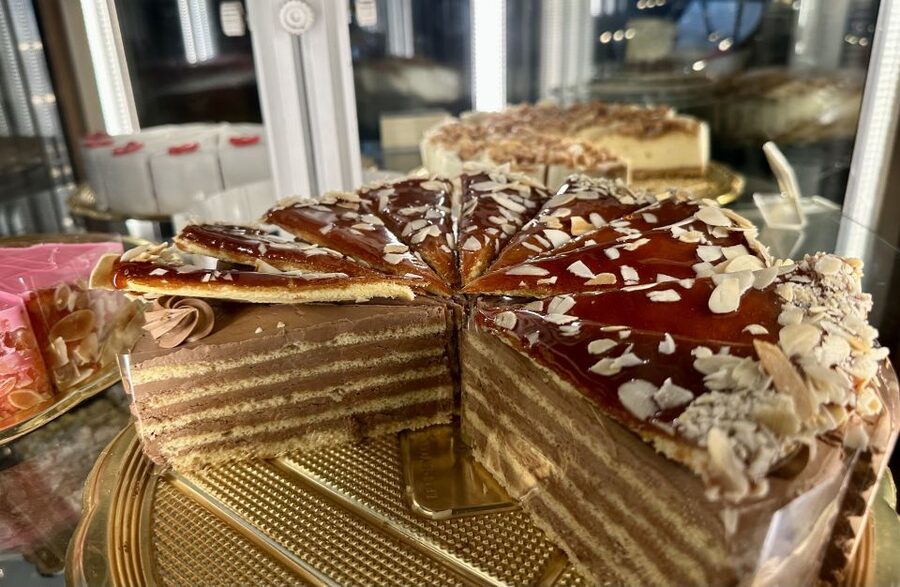
One pleasing detail is that the guide does more than explain cakes. Bianka also discussed monuments around Budapest, which gave the morning a wider city focus.
That extra layer can make a real difference. Food tours sometimes feel disconnected from the rest of a city, as if you are moving from one plate to another without understanding the streets outside. Here, the guide connects the food stops with the surrounding sights.
I would especially value that if this is your first time in Budapest. You can ask about the buildings you pass and get some orientation while enjoying the tasting. It will not replace a full sightseeing tour, but it gives you more than a café history lecture.
The balance also suits repeat visitors. If you have already seen the main landmarks, the coffee-house angle offers a different way to read the city. You are revisiting central Budapest through its social habits and desserts rather than through monuments alone.
Is $106 per person a fair price?
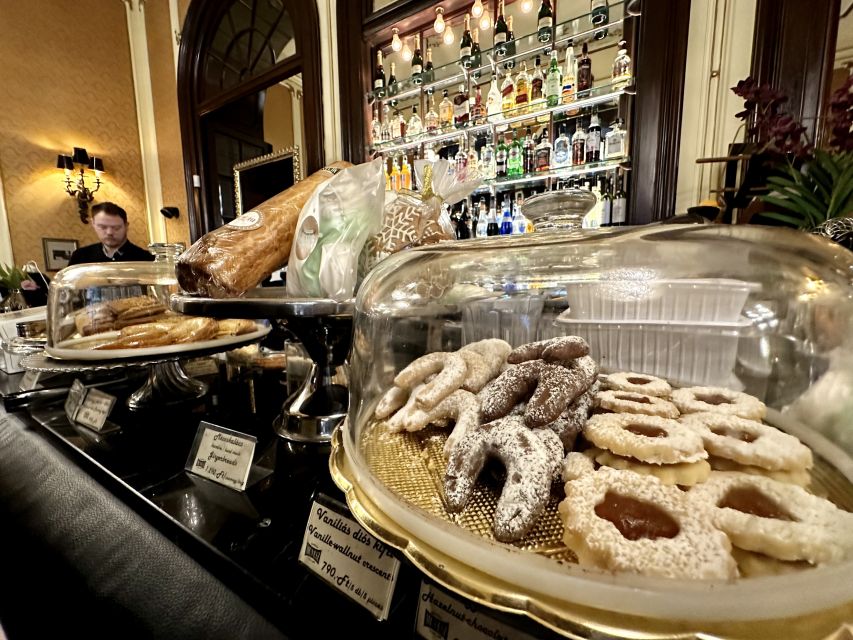
The price is $106 per person. That is a substantial fee for 2.5 hours, especially since the experience includes coffee houses, tea, coffee, desserts, and a live English-speaking guide, but does not list transportation or entry tickets to other attractions.
For me, the price makes sense only if you place real value on the guide. The desserts and drinks alone are unlikely to justify the full cost. The stronger package is the combination of several tastings, cultural explanation, city orientation, and time spent in historic café settings.
A private group option can make the price easier to assess. For a couple, family, or small group that wants a personal pace, private guiding may be worth considering. For a solo visitor or budget-conscious pair, I would compare the cost with simply visiting one or two cafés independently.
The tour also saves you the work of deciding where to go and what to order. That convenience has value, especially on a first Budapest visit. You get a planned route and a guide who can explain the sweets instead of guessing from a menu.
I would call the tour a premium food walk rather than a bargain. Book it if you want an interpretive experience built around cafés. Skip it if your main aim is inexpensive dessert.
Who will enjoy this coffee-house tour?
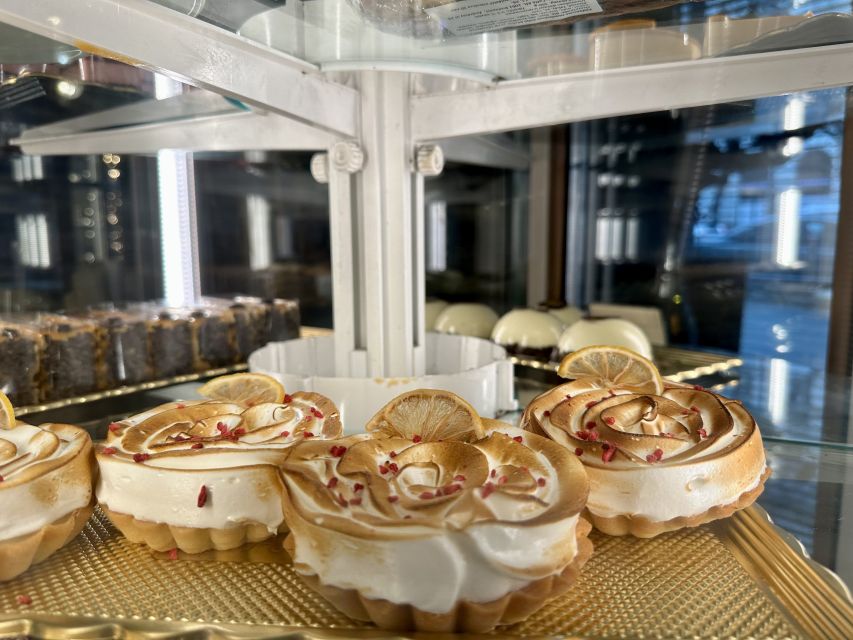
I think this experience suits you best if you enjoy food with a story. It is a good match for someone who wants to understand Hungarian culture through ordinary pleasures, especially café visits, cakes, and local customs.
It also suits first-time visitors who want light sightseeing built into a food activity. The Opera House meeting point, central coffee houses, and monument commentary give you useful city context without requiring a full-day commitment.
Couples and small private groups may appreciate the slower pace and chance to talk with the guide. Families with older children could also find the dessert theme appealing, although the suitability of the exact sweets for children is not specified.
You may want to choose another activity if you need a tightly scheduled itinerary with named stops and exact tasting items. The information provided leaves the specific cafés and desserts open, so the experience is better understood as a guided coffee-house journey than a fixed menu.
The tour is wheelchair accessible, which widens its appeal. Since no details are given about the route between stops or individual café layouts, I would still contact the provider before booking if you need particular access arrangements.
Booking flexibility and practical planning
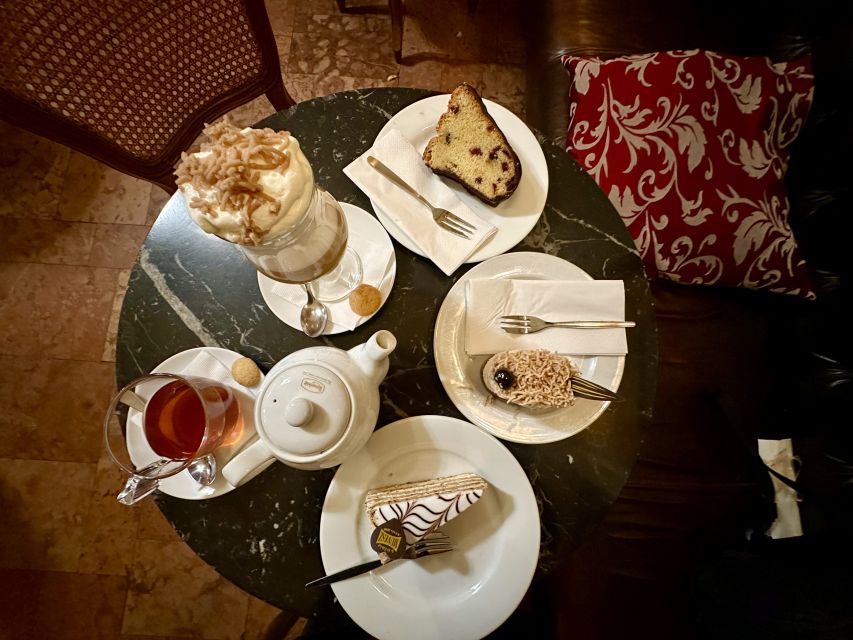
The tour is offered in English with a live guide. That makes it a straightforward choice for English-speaking visitors who want explanations in real time rather than relying on written information.
You can cancel up to 24 hours before the start for a full refund, and you can reserve now while paying later. Those terms are useful if your Budapest schedule is still changing.
Starting times are not fixed in the information provided, so check availability before choosing your day. The 2.5-hour length makes it easy to place alongside other plans, but I would avoid scheduling a major timed attraction immediately afterward.
Wear comfortable shoes for the walking portions, and arrive at the Opera House meeting point with room to spare. You will get more from the tour if you treat it as a relaxed food and culture outing rather than a race between cafés.
My verdict on Budapest’s coffee-house tour
I like the idea of this tour because it gives Hungarian culture a taste and a place. You learn how coffee houses brought together artists and prominent citizens, then see how dessert traditions continued through later periods.
The strongest personal touch comes from the guide. Bianka’s ability to explain cakes while also pointing out monuments suggests the tour can offer more than food alone. That added city commentary is an important reason to consider it.
The price remains the clear caution. At $106 per person, I would book only if you want a guided cultural experience and several tastings, not simply coffee and cake. If that sounds like your kind of Budapest morning, this is a thoughtful and enjoyable choice. If you are watching every forint, visit a café independently and spend the savings on another local meal.
FAQ
Where does the tour meet?
Your guide meets you directly in front of the Hungarian State Opera House in Budapest.
How long does the tour last?
The tour lasts 2.5 hours.
What is included in the experience?
The tour includes a guide, visits to coffee houses, various Hungarian desserts, tea, and coffee.
What language is the tour conducted in?
The live tour guide speaks English.
Is the tour wheelchair accessible?
Yes, the activity is listed as wheelchair accessible.
Can I book a private group?
Yes, a private group option is available.
How much does the tour cost?
The listed price is $106 per person.
Can I cancel for a full refund?
Yes, you can cancel up to 24 hours in advance for a full refund.
Can I reserve now and pay later?
Yes, you can reserve your place and pay nothing at the time of booking.
More Food and Drink Tours in Budapest
- Budapest: Unlimited Prosecco, Beer and Aperol Spritz Cruise
★ 4.8 · 25,310 reviews - Budapest: Unlimited Prosecco, Beer & Aperol Spritz Cruise
★ 4.5 · 3,371 reviews - Budapest: Wine, Cheese, and Charcuterie Tasting
★ 4.9 · 647 reviews - From Budapest: Etyek Wine Tasting Tour with 3-Course Meal
★ 4.8 · 557 reviews
Just added in Budapest
- Budapest: Private Walking Tour with a Local Guide★ 3.6 · 6 reviews
- Budapest: Danube River Views Bike Ride★ 4.8 · 23 reviews
- Budapest: City Bike Tour with Coffee Stop★ 5.0 · 37 reviews
- From Budapest: Guided Tour of Eger with Wine Tasting★ 4.5 · 6 reviews
- Walk to recent and aged spiritual sanctuaries near Budapest★ 5.0 · 5 reviews
- Walking consultancy with alternative psychologist and author★ 5.0 · 2 reviews
- Budapest: Guided Tour of the Parliament Building in Spanish★ 4.6 · 1,240 reviews
- Budapest: 3-Hour Trabant Sightseeing Tour★ 4.7 · 28 reviews
Dessert Tours, compared.
Hungarian Chimney Cake Workshop in the City Center
Read our review →
Chimney Cake Workshop Budapest Downtown – Kürtőskalács Class
Read our review →
Budapest Street Food Tour with Local Snacks, Dessert and Beer
Read our review →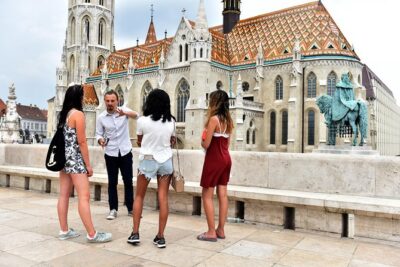
Private Buda Castle Walking Tour with Cake and Matthias Church
Read our review →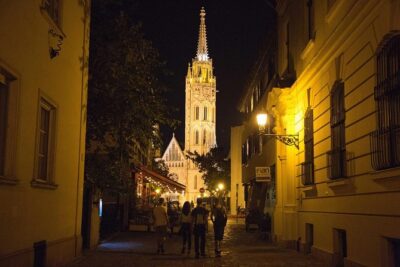
Castle District tour with Matthias Church Ticket & Cake & Coffee
Read our review →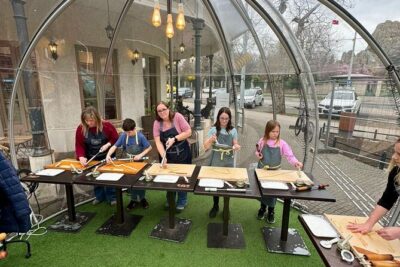
Kürtőskalács: Chimney Cake Workshop in City Park Budapest
Read our review →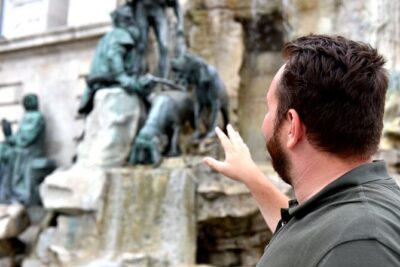
Buda Castle Walking Tour with Matthias church entry, Cake&Coffee
Read our review →Browse the lists this tour appears in