
REVIEW · FOOD & DRINK
Budapest: Downtown Food Tour
Budapest tastes better one stop at a time. This 3.5-hour food tour links cafés, street food, a classic restaurant, and a local wine tasting while your guide explains how Hungarian cooking reflects French and Turkish influence. I like the generous mix of food and the small group, limited to 10 people. The main point to consider is that some walking time is used for sightseeing, so you may taste fewer dishes than expected.
I also like the personal touch supplied by guides such as George and Zoltan. George has earned praise for his warm teaching style, while Zoltan has helped a guest with celiac disease and even stopped so the guest could buy paprika at a local market. The $115 price is not cheap, but it includes all food and drinks, which makes the cost easier to judge.
In This Review
- Key details before you book
- Starting at the Opera House Subway Station
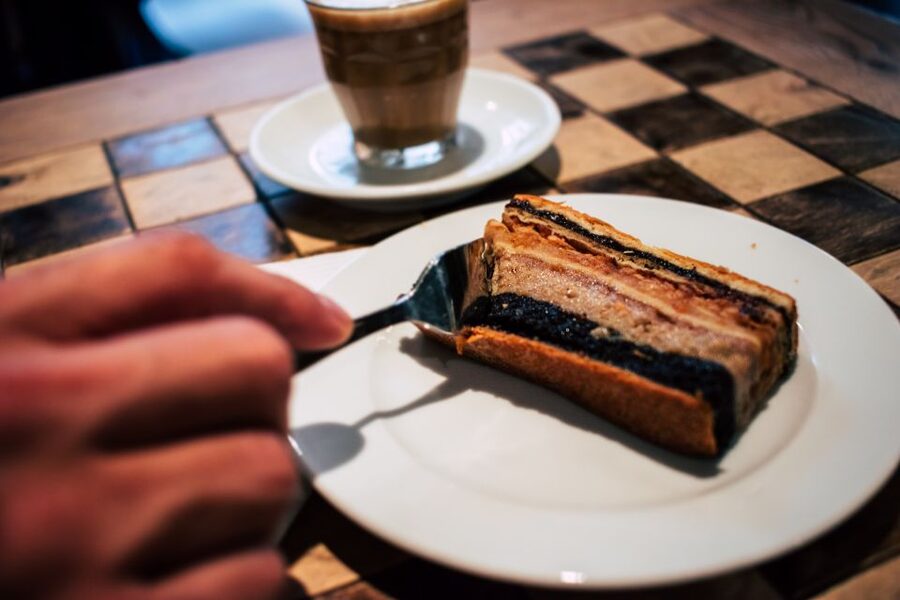
- Homemade strudel and espresso in a local café
- Lángos, Budapest’s famous street-food stop
- Goulash soup in a classic restaurant
- Hungarian wine, sausages, cheese, and pickled vegetables
- The secret dish keeps the ending playful
- The walking route adds Budapest context
- What the guides add to the experience
- Is $115 good value for Budapest?
- Who should book this food walk?
- Should you book the Budapest Downtown Food Tour?
- FAQ
- How long does the Budapest Downtown Food Tour last?
- What food is included?
- Are drinks included?
- Where does the tour meet?
- Where does the tour end?
- Is the tour conducted in English?
- How large is the group?
- Is hotel pickup included?
Key details before you book
- Four main food moments: Try homemade Hungarian strudel and espresso, street-food lángos, goulash soup, and wine with sausages, pickled vegetables, cheese, and a secret dish.
- A small English-speaking group: The tour is limited to 10 participants, giving you a better chance to ask questions and talk with the guide.
- Strong local guiding: George and Zoltan have both received praise for explaining food, Hungarian life, politics, and the country’s past.
- A central meeting point: Meet at the entrance to the Opera House Subway Station, where the guide waits with an orange umbrella.
- Food and drinks are included: You do not need to budget separately for the tastings.
- Some sightseeing is built in: You will walk through central Budapest and nearby areas between stops, which adds context but may reduce time for extra food.
Starting at the Opera House Subway Station
The tour begins at the entrance to the Opera House Subway Station in central Budapest. Look for the guide with an orange umbrella, a simple marker that should make the meeting point easy to spot.
This location works well for a food walk because you begin in the historic city centre rather than at a hotel or on the edge of town. Hotel pickup and drop-off are not included, so you need to reach the station on your own. The tour also ends back at the same meeting point, which makes the return journey straightforward.
The exact start time depends on availability when you book. Give yourself enough time to reach the station, since the group is small and the food schedule works best when everyone starts together.
From the beginning, expect more than a march from restaurant to restaurant. Your guide uses the walk to explain Budapest and Hungarian culture. That extra context is one of the reasons this experience has earned a high overall rating of 4.8 from 60 reviews.
More food and drink tours in Budapest:
- Budapest: Unlimited Prosecco, Beer and Aperol Spritz Cruise
★ 4.8 · 25,310 reviews - Budapest: Unlimited Prosecco, Beer & Aperol Spritz Cruise
★ 4.5 · 3,371 reviews - Budapest: Wine, Cheese, and Charcuterie Tasting
★ 4.9 · 647 reviews
Homemade strudel and espresso in a local café
The first tasting takes place in a local café house, with homemade Hungarian strudel and espresso. It is a sensible opening course: light enough not to spoil the rest of the meal, yet traditional enough to introduce you to Hungarian sweet baking.
Strudel may bring Austria to mind, but this tour uses it to show how Hungarian food developed through contact with nearby countries and wider European influences. The café setting also gives you a calmer start than beginning with a heavy dish on the street.
The espresso matters less as a major tasting than as part of the local café ritual. You get a chance to settle in, meet the rest of the group, and hear the guide set up the food story for the next few hours.
The quality of the guide makes a difference here. George has been praised for combining food explanations with short history lessons as the group walks. Zoltan has also been praised for his enthusiasm for Hungary’s more recent past, giving the first stop a wider frame than a simple pastry tasting.
Lángos, Budapest’s famous street-food stop
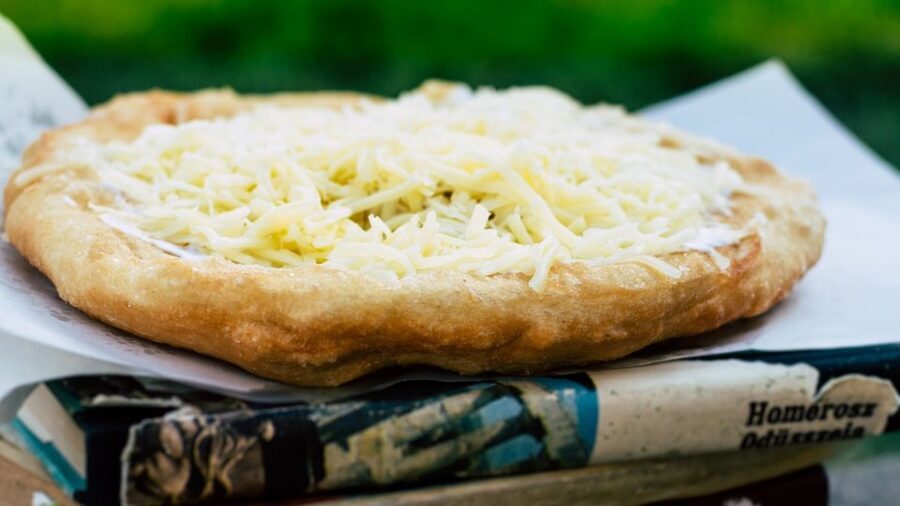
Next comes lángos from a street-food stand. This is one of the foods many people want to try in Budapest, and eating it in a casual stand setting fits the dish better than treating it like a formal restaurant course.
Lángos is filling, so pace yourself. You still have goulash, wine, sausages, cheese, pickled vegetables, and a secret dish ahead. I would treat this as a proper taste rather than an invitation to finish every bite quickly.
The street-food stop gives the tour a useful change of mood. You move from the café to a more informal setting, seeing how Hungarian food works as everyday fare as well as restaurant cuisine. Your guide can also explain how the dish fits into local eating habits, though the exact conversation will depend on the guide and group.
This is one place where the $115 cost begins to make more sense. You are not simply paying for a sit-down meal. You are paying for a sequence of tastings in different settings, with someone explaining what you are eating and why it matters.
Goulash soup in a classic restaurant
The tour then shifts to a classic restaurant for traditional goulash soup. This provides the heartier course and a useful contrast to the sweet strudel and fried street food.
Goulash is often treated abroad as a thick stew, but the Hungarian version served on this tour is specifically described as soup. That distinction is useful if you want to compare what you eat in Budapest with the versions served in other countries.
The restaurant stop gives you time to sit down and eat at a slower pace. It also lets the guide explain Hungarian cooking in a more formal setting. The tour is not just about grabbing a bite and moving on. You get a chance to connect the dish with the country’s culinary influences, including French and Turkish connections mentioned as part of the broader food story.
Still, keep your expectations sensible. This is a tasting tour, not a full restaurant dinner. Portions are designed to let you continue to the final course, and the total meal may feel substantial by the end.
A completely different kind of day:
- Budapest: City Highlights Cruise with Welcome Drink
★ 4.6 · 35,610 reviews - Budapest: Széchenyi Spa Day Ticket with Optional Upgrades
★ 4.3 · 23,911 reviews - Budapest: Nighttime or Daytime Sightseeing Cruise
★ 4.2 · 21,062 reviews - Budapest: 1-Hour Evening Sightseeing Cruise with Drink
★ 4.5 · 8,330 reviews
Hungarian wine, sausages, cheese, and pickled vegetables
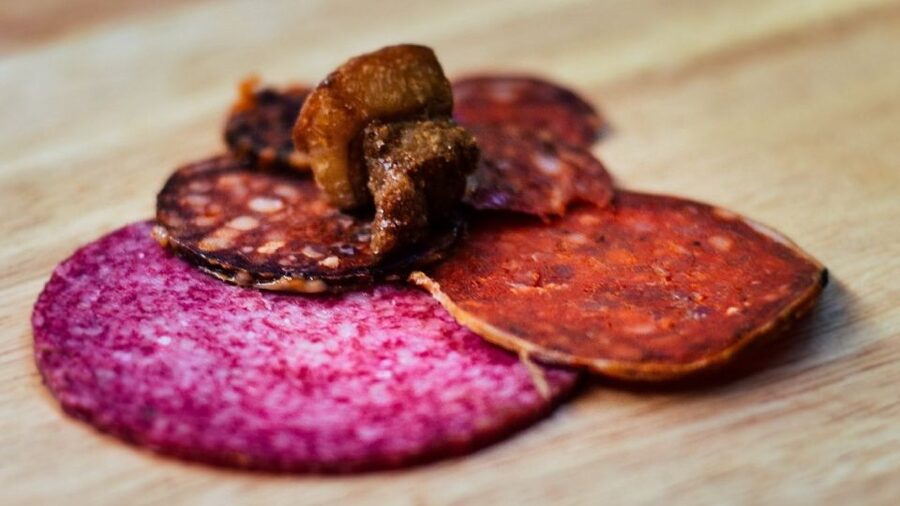
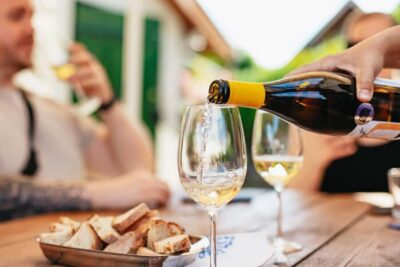
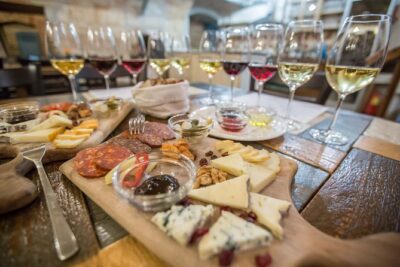
The final major tasting pairs organic Hungarian wine with several types of Hungarian sausages, local cheese, and pickled vegetables. This is the most complete food pairing on the route, with salty, sour, creamy, and savory flavors sharing the table.
The pickled vegetables are especially useful because they show how a small side can balance rich foods. Sausage and cheese can become heavy, while something sharp and pickled keeps the tasting lively. The wine adds another layer and gives your guide room to discuss Hungarian production and regional tastes.
The word organic is part of the experience description, but no particular winery or wine region is specified. If you care about the exact producer or grape, ask your guide during the tasting rather than expecting a fixed bottle list.
This course also works well for social travelers. Shared plates make it easy to compare impressions with the other participants. With no more than 10 people, the group should remain small enough for conversation, though the exact feel depends on how many spots are filled.
The secret dish keeps the ending playful
As with the company’s other food tours, the meal includes a secret dish. The exact item is not disclosed in advance, so you should expect one surprise tasting rather than a fixed menu you can study ahead of time.
That small unknown adds fun, but it also matters for dietary planning. If you have allergies, intolerances, or strong food restrictions, tell the guide before eating. The available information confirms that food is included, but it does not provide a complete ingredient list for every stop or for the secret dish.
One guest with celiac disease described Zoltan as attentive and accommodating. That is a positive sign, but it is still wise to raise your needs at booking and again at the meeting point. Accommodation can depend on the food served that day and the practical limits of each stop.
The walking route adds Budapest context
The food is the main event, but the tour also works as a walking introduction to central Budapest. You move between neighborhoods and stops while the guide adds small historical and cultural explanations.
This extra walking is valuable if you are new to the city. George, in particular, has been praised for turning the route into a series of short history lessons rather than filling the time with silence. Zoltan has been praised for discussing Hungarian life and recent politics as well as food.
The tradeoff is clear. One guest felt that the sightseeing stretched the tour and took time away from visiting more food stops. I think that criticism is fair for anyone expecting a nonstop eating route. This is best understood as a food walk with sightseeing, not as a pure tasting crawl.
Wear comfortable shoes and arrive ready to walk between venues. The tour lasts about 3.5 hours, though one account described it as closer to four hours. Since routes and conversations can vary, leave some flexibility afterward rather than booking a tight appointment immediately after the tour.
What the guides add to the experience
The guides are central to the value here. Food tours can feel ordinary when the guide only names each dish. This one benefits from guides who connect eating with Hungarian culture and daily life.
George has received especially strong praise for being friendly, engaging, and well informed about Hungarian history. His approach seems to suit people who want more than a list of ingredients. He explains the food, answers questions, and keeps the group talking.
Zoltan brings a different strength. He has been praised for his interest in Hungary’s recent history, his open conversation about political life, and his willingness to help with practical needs. His stop at a local market for paprika added a useful shopping moment to one guest’s day, though you should not assume that every group will make the same stop.
Political conversation can be a plus or a minus. If you enjoy discussing how people live and think today, Zoltan’s direct style may add depth. If you want a tightly scripted food presentation with no opinions, the tone may feel less predictable.
The tour is conducted in English. If you want to ask detailed questions, a small group of 10 or fewer is much better than a large coach group.
Is $115 good value for Budapest?
At $115 per person, this is a higher-priced food walk. The price includes the guide, all food, and all drinks, so you do not need to keep paying at each stop. That makes the final cost easier to compare with a self-guided day of cafés, street food, soup, wine, cheese, and sausages.
You are also paying for access and explanation. On your own, you could order many of these foods, but you might not know which café, stand, or restaurant to choose. You would also miss the guide’s comments about culinary influences, Hungarian life, and the city’s past.
The value is strongest for a first visit or for anyone who wants a guided introduction to Hungarian food without planning every stop. It is weaker for a budget-minded eater who mainly wants large portions. The tour gives you several tastings, not a full meal at every location.
Food and drinks being included is important. You can focus on the experience instead of watching the bill grow with every plate. Still, check the available start times and current booking conditions before committing, since the price and schedule can change.
Free cancellation is available up to 24 hours before the tour for a full refund, and you can reserve now and pay later. Those terms help if your Budapest schedule is still shifting.
Who should book this food walk?
I would recommend it to you if you want a friendly introduction to Hungarian food, prefer learning while walking, and enjoy meeting a small group of fellow visitors. It is also a good choice if you want to try several classic items without spending time researching restaurants.
It suits couples, solo visitors, and food-minded families with older children who can manage a few hours of walking and several different tastes. The social side is part of the appeal, especially when the guide gets the group talking over wine and shared plates.
You should think twice if you want a strict culinary route with no sightseeing. The walking and history are part of the design, and at least one person found that this reduced the number of food stops. You may also prefer another option if you need a guaranteed allergen-free menu, since only general food information is provided in advance.
Should you book the Budapest Downtown Food Tour?
Book this tour if you want food plus local conversation, not just a plate-by-plate tasting. The combination of strudel, lángos, goulash, wine, sausage, cheese, pickles, and a secret dish gives you a broad first taste of Hungary, while guides such as George and Zoltan add stories that make the stops easier to remember.
Skip it if your top goal is maximum food quantity or a fast route with no sightseeing. For most first-time visitors, though, the included tastings, English-speaking guide, small group, and central meeting point make this a practical way to get your bearings through Hungarian food.
FAQ
How long does the Budapest Downtown Food Tour last?
The tour lasts 3.5 hours. One available account described the experience as about four hours, so leave a little extra time in your schedule.
What food is included?
The tour includes homemade Hungarian strudel and espresso, Hungarian lángos, traditional goulash soup, Hungarian wine, several types of Hungarian sausages, pickled vegetables, local cheese, and a secret dish.
Are drinks included?
Yes. Food and drinks are included in the $115 per-person price.
Where does the tour meet?
You meet at the entrance of the Opera House Subway Station in central Budapest. The guide waits with an orange umbrella.
Where does the tour end?
The activity ends back at the same meeting point.
Is the tour conducted in English?
Yes. The live tour guide speaks English, and English is the listed tour language.
How large is the group?
The tour is limited to 10 participants, making it a small-group experience.
Is hotel pickup included?
No. Hotel pickup and drop-off are not included, so you need to reach the Opera House Subway Station on your own.
Just added in Budapest
- Budapest: Private Walking Tour with a Local Guide★ 3.6 · 6 reviews
- Budapest: Danube River Views Bike Ride★ 4.8 · 23 reviews
- Budapest: City Bike Tour with Coffee Stop★ 5.0 · 37 reviews
- From Budapest: Guided Tour of Eger with Wine Tasting★ 4.5 · 6 reviews
- Walk to recent and aged spiritual sanctuaries near Budapest★ 5.0 · 5 reviews
- Walking consultancy with alternative psychologist and author★ 5.0 · 2 reviews
- Budapest: Guided Tour of the Parliament Building in Spanish★ 4.6 · 1,240 reviews
- Budapest: Vacation Photographer to collect great memories★ 5.0 · 49 reviews
Food & Drink, compared.

Unlimited Prosecco, Beer and Aperol Spritz Cruise
Read our review →
Unlimited Prosecco, Beer & Aperol Spritz Cruise
Read our review →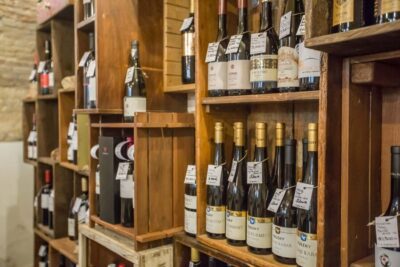
Hungarian Wine Tasting (with Cheese and Charcuterie) in Budapest
Read our review →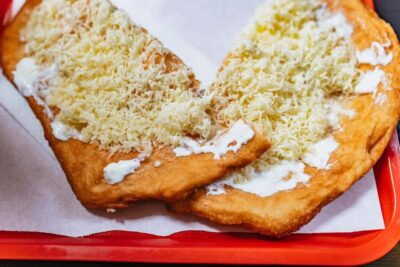
Guided Foodie Walking Tour with Food and Drinks
Read our review →
Budapest Food Tour: Market to Tavern with 14+ Tasters & Wines
Read our review →
Budapest BeerSpa with Unlimited Beer and Optional Széchenyi Bath
Read our review →Browse the lists this tour appears in