REVIEW · PRIVATE
Budapest Hidden Gems – Roman Aquincum Private Tour
Roman Budapest is hiding in plain sight. This private Aquincum tour links an amphitheater, legionary remains, a villa, and a museum into one clear story. I like the personal format, with only your group taking part, and I like the way the guide explains daily Roman life rather than simply naming ruins. The main drawback is the walking: one person logged about 6,000 steps, and the €8 Aquincum Museum entrance fee is extra.
The tour costs $78.27 per group of up to 15 people, which can be very good value when shared by a family or small group. It lasts roughly three to five hours, including travel, and ends near Parliament at Batthyány Square. You should choose it if Roman history interests you and you want context, not just a quick look at old stones.
In This Review
- Key points at a glance
- Why Roman Aquincum matters in Budapest
- Starting at the amphitheater on Szőlő Street
- Flórián téri Park and the former legionary camp
- Hercules Villa and its mosaic floors
- Aquincum Museum and the archaeological park
- What the private format adds
- Walking, timing, and the city route
- The guide’s role in making the ruins readable
- Who will get the most from this experience
- Is $78.27 good value?
- Should you book the Roman Aquincum tour?
- FAQ
- How much does the private Aquincum tour cost?
- How long does the tour last?
- Where does the tour begin and end?
- Is the Aquincum Museum admission included?
- Is the tour suitable for people who cannot walk far?
- What happens if bad weather cancels the tour?
Key points at a glance
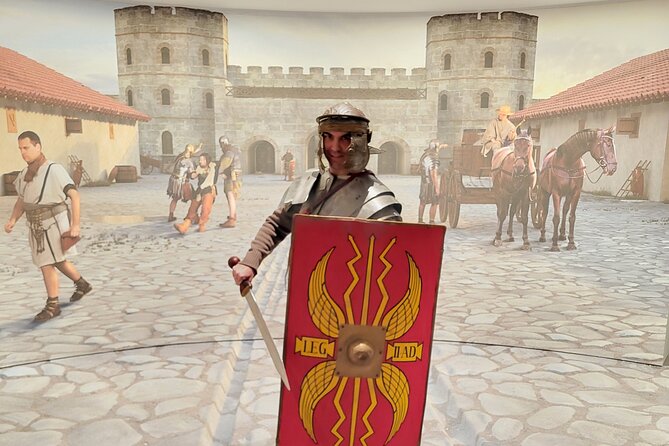
- Roman military history in modern Budapest: Visit an amphitheater and explore remains linked to Legio II Adiutrix.
- A villa among apartment blocks: The Hercules Villa offers a striking look at private Roman life and preserved mosaic floors.
- A guide-led museum visit: Most of the time is spent at Aquincum Museum and its archaeological park.
- Private group format: Your own group takes part, with a maximum of 15 people.
- Plan for plenty of walking: The route covers several sites, and comfortable shoes matter.
- Good group value: The $78.27 price is per group, not per person, though museum admission costs €8 per person.
Why Roman Aquincum matters in Budapest
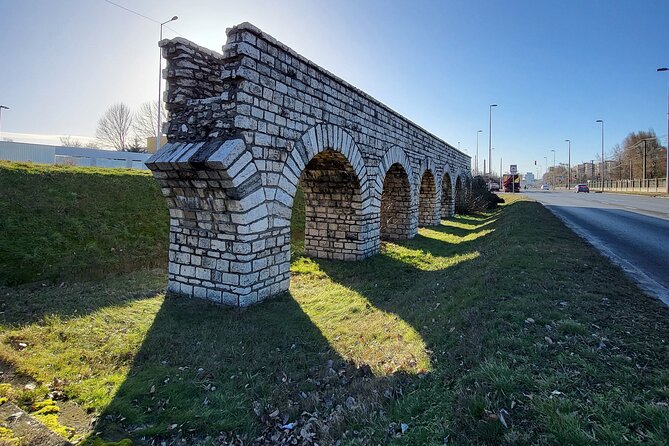
Aquincum was a Roman settlement in what is now Budapest, and this experience shows that Roman Budapest is not confined to one polished museum room. The remains are spread across several parts of the city, so the tour gives you a sense of how military facilities, civilian homes, and public buildings fit together.
That spread is also the reason a guide helps. You are not simply looking at a ruin and trying to guess what it was. The tour connects the pieces and explains how people lived in a military town, why structures were built, and what separated a wealthy home from a military camp.
I particularly like this approach for visitors who enjoy history but do not want a lecture packed with dates. A good guide can turn a broken wall or mosaic floor into a clue about Roman society. The strongest praise for this experience centers on that added explanation. Tiberius is described as enthusiastic and well informed, with a clear interest in the subject. Another guide was praised for being friendly and informative.
The private format makes that more useful. Your group can ask questions and move at a pace that suits you. A larger party of up to 15 is still possible, but the price becomes especially attractive when divided among several people.
More things to do in Budapest:
- Budapest: City Highlights Cruise with Welcome Drink
★ 4.6 · 35,610 reviews - Budapest: Unlimited Prosecco, Beer and Aperol Spritz Cruise
★ 4.8 · 25,310 reviews - Budapest: Széchenyi Spa Day Ticket with Optional Upgrades
★ 4.3 · 23,911 reviews
Starting at the amphitheater on Szőlő Street
The meeting point is at Budapest, Szőlő u. 2, in the 1034 area. The first stop is a Roman military amphitheater, where you spend about 30 minutes.
This is a short introduction, but it gives the tour a strong start. The amphitheater is described as unusual within the Roman world, so it is more than a routine stop on an ancient-site checklist. You get an early look at the military character of Aquincum before moving toward the former legionary camp.
The visit includes no separate admission charge. Since the stop lasts only half an hour, you should think of it as an orientation rather than a full archaeological visit. The guide’s explanation is likely to matter more here than the amount of surviving masonry.
If you enjoy taking photographs, this stop may also help you settle into the tour before the longer walking sections. Still, do not expect a long pause. The route continues after this brief visit.
Flórián téri Park and the former legionary camp
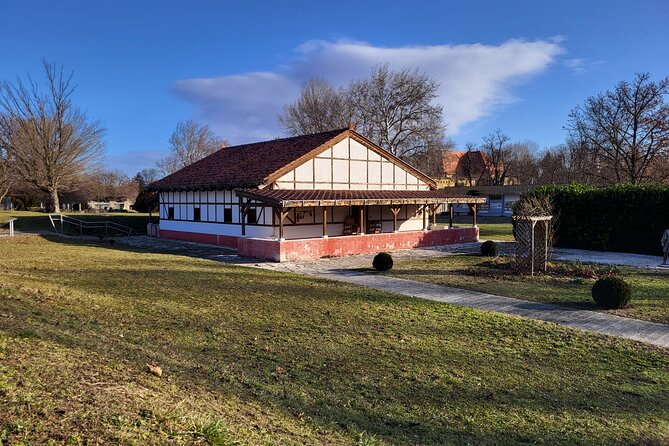
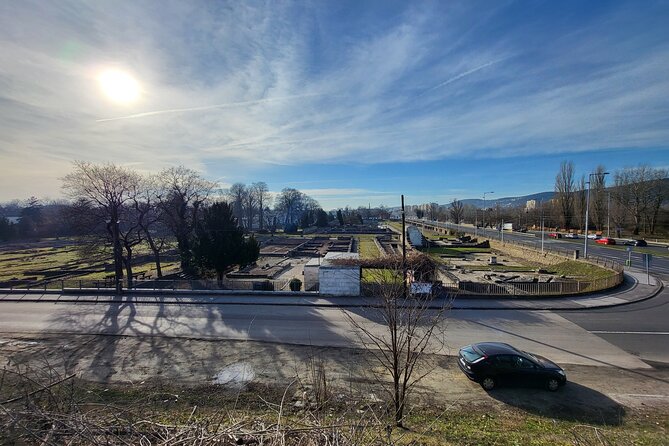
Next comes Flórián téri Park, where you spend about an hour examining remains within the former camp of Legio II Adiutrix.
This part gives the tour its strongest military focus. Instead of seeing one isolated monument, you are introduced to several pieces connected with the legionary camp. The phrase hidden in the city fits this section well, since the Roman remains exist within present-day Budapest rather than in a separate ancient site far from modern life.
That contrast is one of the tour’s charms. You can move through an ordinary city setting and then encounter evidence of a Roman military presence beneath it. The value comes from learning how the pieces relate to the larger settlement.
There is no admission fee for this stop. The one-hour visit is long enough to examine the remains without making the tour feel rushed, though the total route still requires steady movement. I would wear shoes with good support and avoid treating this as a dressed-up city stroll.
The walking is not extreme for most reasonably fit people, but it is meaningful. The experience information asks for moderate physical fitness, and one person counted roughly 6,000 steps. That figure gives you a useful practical warning: comfortable clothes and shoes are more important than fashionable footwear.
Hercules Villa and its mosaic floors
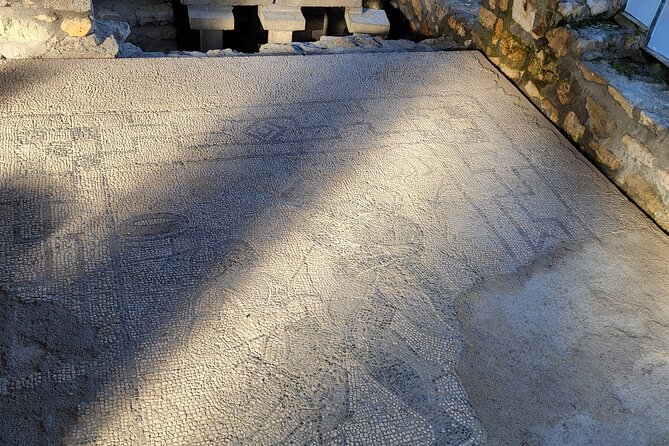
The Hercules Villa takes about 30 minutes and offers a different view of Aquincum. This Roman-era villa sits between socialist-era apartment buildings, an arrangement that makes the site memorable before you even consider the mosaics.
Here, the focus shifts from military infrastructure to the lives of wealthy Roman citizens living in the military town. Several mosaic floors can be found at the villa, giving you a direct look at the decorative side of Roman domestic life.
I like this change of subject. The earlier stops concern the army and its camp, while the villa asks you to picture private life, status, and comfort. The location also makes a useful point without needing much explanation: Budapest has grown around its Roman remains, and ancient structures can survive in places you would not expect.
The admission ticket is included at the Hercules Villa. The visit lasts only about half an hour, so do not expect a large villa complex with room after room to explore. Its value is concentrated in the preserved floors and the guide’s explanation of what they reveal.
For many people, mosaics will be the visual highlight before the museum. They are easier to picture than foundations, and they make the difference between military and private Roman life more tangible.
A few more options to weigh up in Budapest
- Private Budapest TukTuk Tour: Custom Route, Hotel Pickup
★ 5.0 · 1,307 reviews - Budapest Essentials Private Tour Highlights and Hidden Gems
★ 5.0 · 861 reviews - Budapest Private Tuk Tuk Half-Day Tour
★ 5.0 · 606 reviews - Budapest One Way Private Transfer to or from Airport
★ 4.5 · 548 reviews
Aquincum Museum and the archaeological park
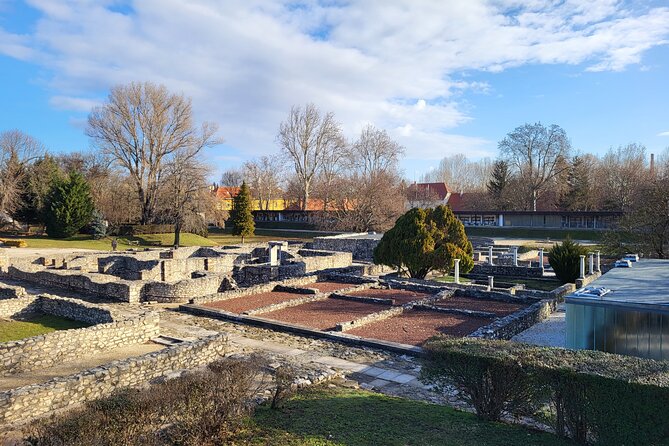
The final and longest stop is Aquincum Museum, where you spend about an hour and a half. This is the main part of the experience, combining indoor exhibits with an archaeological park containing ruins.
The museum gives you a chance to place the earlier stops in a wider setting. After seeing the amphitheater, legionary camp remains, and villa, you can look at exhibits that help explain the settlement as a whole. The archaeological park then keeps the focus on the physical remains.
Admission costs €8 per person and is not included in the tour price. Add that amount when comparing the total cost with other Budapest activities. The extra fee is modest, but it matters more for a large group.
The hour and a half allotted here is useful because it prevents the museum from becoming a rushed final stop. You have time for both the exhibits and the ruins, though the exact balance may depend on your guide and your group’s interests.
This is also where the tour’s central promise is most apparent. You are not only being shown a bathhouse, villa, or military feature. The aim is to understand why buildings existed and how people used them. If you prefer to wander silently through displays at your own speed, a guided visit may feel more structured. If you want someone to explain the story behind the objects and ruins, this is the part that justifies booking a guide.
What the private format adds
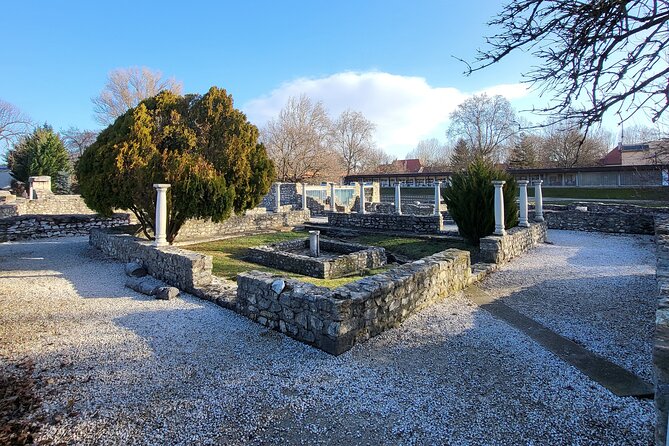
The tour is private, so only your group participates. That is a meaningful advantage for families, friends, or anyone with a particular interest in Roman history.
You can ask for clarification when a site is confusing. You can also spend more time on a feature that catches your attention, at least within the fixed duration and travel needs. The supplied information does not promise a fully customized route, so I would not assume that every stop can be skipped or extended at will. Still, a private guide usually gives you more room for conversation than a standard shared group.
The group limit is 15 people. At $78.27 per group, the price is not calculated per head. For two people, it is a fairly significant cost before the museum fee. For a family or group of friends, the same price can become a sensible way to get several hours of specialist guiding.
A small welcome snack is included. It is a pleasant touch, but it should not be treated as a meal. Plan your food around the experience rather than relying on the snack to carry you through the day.
Walking, timing, and the city route
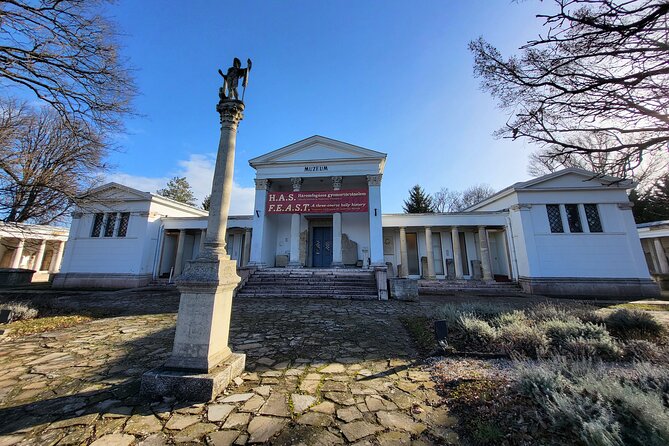
The advertised duration is approximately three to five hours, and travel time counts toward that total. That wide range suggests you should keep part of your day open rather than scheduling a tight museum visit immediately afterward.
The tour begins in the 1034 area and ends at the Metro Station in Batthyány Square, across from Parliament. That finishing point is practical for continuing your day in central Budapest, but the route is not a simple walk between four neighboring attractions. You are visiting separate Roman sites, so movement between them is part of the experience.
The listed operating period runs from July 8, 2024, through March 19, 2027, Monday through Sunday, from 9 a.m. to 4 p.m. The experience is offered in English.
The tour requires good weather. If poor conditions force cancellation, you are offered another date or a full refund. That policy is worth noting because part of the visit takes place outdoors at archaeological sites and in the park.
Service animals are allowed, and the tour is near public transportation. The physical requirement is moderate fitness, not athletic ability, but the step count gives you a realistic idea of the day. Wear walking shoes, bring weather-appropriate clothing, and avoid carrying more than you need.
The guide’s role in making the ruins readable
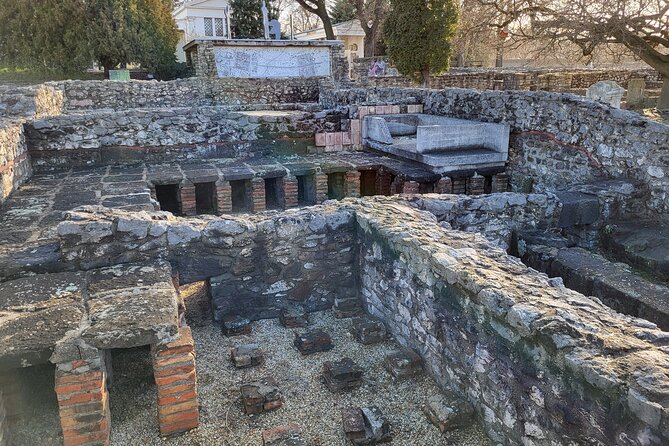
Ancient ruins can be rewarding, but they can also be hard to read without help. A visitor may see a low wall, a patch of paving, or a mosaic and understand that it is old without knowing why it matters.
This experience is strongest when the guide connects those fragments to daily life. The comments about Tiberius are especially encouraging: he is praised for his enthusiasm, subject knowledge, and clear excitement about Roman history. That energy matters at outdoor sites, where there may not be much signage to do the explaining.
I also appreciate the way the tour is framed around people. The Hercules Villa is not only a pretty floor. It is a chance to think about wealthy residents in a town shaped by the army. The legionary camp is not only a collection of foundations. It helps explain the military side of the settlement.
That human scale keeps the tour from becoming a string of archaeological labels. You still need to enjoy standing outdoors and looking closely. But if you like understanding how a place functioned, the guiding adds real value.
Who will get the most from this experience
I would recommend this tour to you if you enjoy Roman history, archaeology, or the way old sites fit into a modern city. It is also a good choice if you have already seen Budapest’s major central sights and want a different side of the city.
Families with older children may appreciate the variety. An amphitheater, military camp, villa mosaics, and museum are easier to follow than one long stretch of similar ruins. The private format also helps if your group has questions or wants a more conversational visit.
This is less suitable if you want a short, effortless activity. The walking is real, the visit can last up to five hours, and travel between sites is included in that time. It may also disappoint you if you expect every Roman building to be complete or dramatically preserved. Much of the interest lies in reconstruction, explanation, and comparison.
You should also be comfortable paying the museum fee separately. At €8 per person, it is not a major expense, but it means the advertised group price is not the final amount for everyone.
Is $78.27 good value?
The answer depends on your group size and your interest in the subject.
For one or two people, $78.27 is a noticeable price for a half-day activity, especially after adding €8 per person for the museum. You are paying for private guiding, not just admission, so the value depends heavily on how much you want interpretation.
For a larger group, the calculation improves quickly. Six people sharing the group price pay far less per person than a couple would, while still receiving a private English-language experience. The price also includes a welcome snack and admission to the Hercules Villa, though not the Aquincum Museum.
I would book it for the guide’s storytelling and the connected route, not simply to tick off four sites. If you can read every sign, move between locations independently, and feel satisfied with a quick look, you may prefer to explore on your own. If you want the reasons behind the ruins, the private format earns its keep.
Should you book the Roman Aquincum tour?
Book this experience if you want Roman Budapest explained through military remains, domestic life, mosaics, and museum displays. The strongest reasons are the private format, the unusual mix of locations, and the guide-led context, especially with Tiberius if he is your assigned guide.
Skip it if you have limited mobility, only a short window in Budapest, or little interest in archaeology. The walking and travel time are part of the package, not minor details.
For a group of friends or family members with moderate fitness and a genuine interest in Roman life, I think this is a smart way to spend several hours away from the usual city-center circuit. Bring good shoes, allow extra time, and budget for the €8 museum ticket. You will get the most from it if you want to understand what you are seeing, not merely photograph it.
FAQ
How much does the private Aquincum tour cost?
The tour costs $78.27 per group of up to 15 people. The Aquincum Museum entrance fee is separate and costs €8 per person.
How long does the tour last?
The experience lasts approximately three to five hours. Travel time between locations is included in the total duration.
Where does the tour begin and end?
It begins at Budapest, Szőlő u. 2, 1034 Hungary. It ends at the Metro Station in Batthyány Square, across from Parliament.
Is the Aquincum Museum admission included?
No. Admission to Aquincum Museum costs €8 per person and is not included. Admission to the Hercules Villa is included.
Is the tour suitable for people who cannot walk far?
The experience calls for moderate physical fitness. One person recorded about 6,000 steps, so you should expect a fair amount of walking and wear comfortable shoes.
What happens if bad weather cancels the tour?
The experience requires good weather. If it is canceled because of poor conditions, you are offered a different date or a full refund. You can also cancel for a full refund if you do so at least 24 hours before the start time.
Just added in Budapest
- Budapest: Private Walking Tour with a Local Guide★ 3.6 · 6 reviews
- Budapest: Danube River Views Bike Ride★ 4.8 · 23 reviews
- Budapest: City Bike Tour with Coffee Stop★ 5.0 · 37 reviews
- Walk to recent and aged spiritual sanctuaries near Budapest★ 5.0 · 5 reviews
- Walking consultancy with alternative psychologist and author★ 5.0 · 2 reviews
- From Budapest: Guided Tour of Eger with Wine Tasting★ 4.5 · 6 reviews
- Budapest: Guided Tour of the Parliament Building in Spanish★ 4.6 · 1,240 reviews
- Budapest: 3-Hour Trabant Sightseeing Tour★ 4.7 · 28 reviews
Private, compared.

Private Budapest TukTuk Tour: Custom Route, Hotel Pickup
Read our review →
Budapest Essentials Private Tour Highlights and Hidden Gems
Read our review →
Budapest One Way Private Transfer to or from Airport
Read our review →
Budapest Private Luxury Sightseeing Tour with Guide and Transport
Read our review →
Private Budapest City tour with Classic Russian Jeep or G-Wagon!
Read our review →
Budapest Private Full Day City Sightseeing Tour Walking or by Car
Read our review →