
REVIEW · MUSEUMS
Budapest: Light Art Museum – Immersive New Media Experience
Light turns a market hall into a playground. Budapest’s Light Art Museum takes a former farmers’ market and fills it with projection mapping, optical illusions, glowing sculptures, and interactive new media. I like the unusual setting and the freedom to explore at your own pace. I also like the mix of local and international work, including pieces linked to László Moholy-Nagy and Victor Vasarely. The main caution is that a few exhibits may feel vague or underwhelming, and some visitors have found parts of the museum closed.
You get a full day of admission for about $18 per person, though most people spend roughly two hours inside. That is fair value if you enjoy modern art, photography, or unusual family activities. If you prefer traditional paintings with clear stories and labels, this may feel more like a sensory experiment than a standard museum.
In This Review
- Key points to know before you go
- From farmers’ market to light museum
- What your two-hour visit feels like
- Projection mapping, optical illusions, and new media
- The airlocked dome and other crowd favorites
- A good choice for families, with one important caveat
- How crowded is the experience?
- Is two hours enough?
- Is $18 good value?
- Who will enjoy the Light Art Museum most?
- Practical tips for a better visit
- Should you book the Light Art Museum?
- FAQ
- Where is the Light Art Museum located?
- How much does admission cost?
- How long does the visit take?
- Is the ticket valid all day?
- Is a guide included?
- Is the experience available in English?
- Does the ticket include skip-the-line access?
- Is the museum suitable for children?
- What are the main types of art on display?
- Can I cancel the booking?
Key points to know before you go
- A former farmers’ market now holds the museum: The setting gives the experience a large, open feel and adds a fine Budapest twist.
- Plan on about two hours: Some people move through in 20 minutes, while others stay longer reading the English information and revisiting favorite installations.
- The airlocked dome is a highlight: Lie down inside it for the strongest effect, rather than simply walking through.
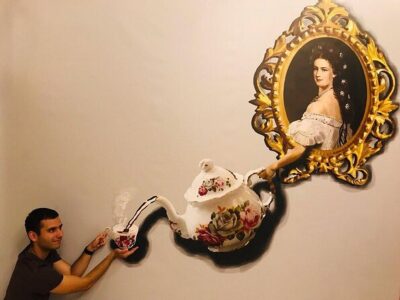
- The art changes from room to room: Expect projection mapping, light sculpture, optical effects, interactive works, and site-specific pieces.
- It works well for families, with one age restriction: Much of the museum suits children, but one section is specifically for visitors over 18.
- Early visits can feel calmer: Entering at the start of the day may give you more room around the installations.
From farmers’ market to light museum
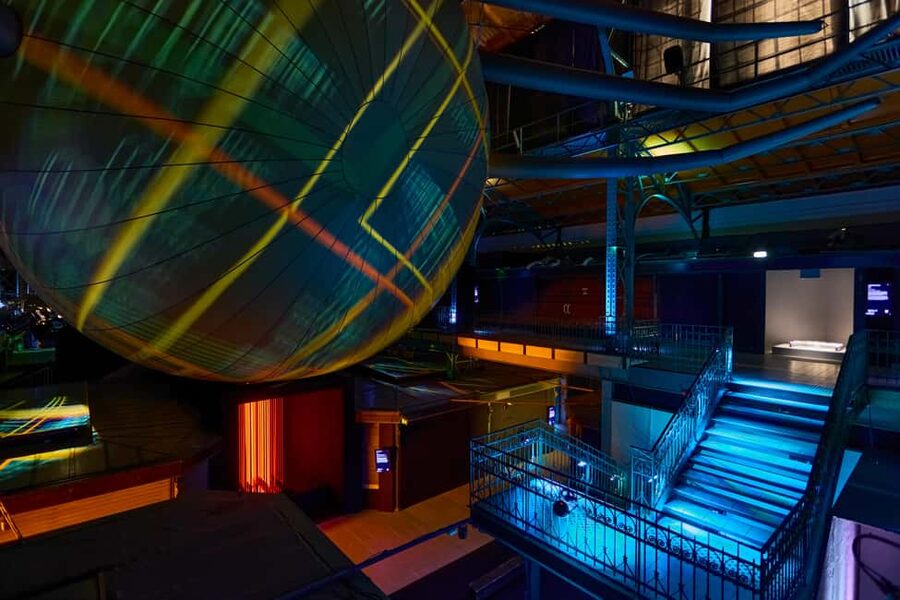
The first surprise is the building itself. This is not a blank modern gallery designed only for white walls and quiet paintings. The museum occupies a historic marketplace that once served as a popular farmers’ market, giving the experience a strong sense of place before you even reach the art.
That old market setting matters. A large former hall can handle projections, oversized structures, dark rooms, and installations that need room around them. You are not simply looking at framed works from a distance. You move through spaces where light, sound, color, and your own position affect what you see.
The museum presents contemporary and modern art, along with links to art and science and the development of new media. That makes it a useful stop if you want something different from Budapest’s churches, grand boulevards, and historic collections.
I would not treat the museum as a lesson in art history from start to finish. Instead, think of it as a walk through ideas about perception. Some pieces are easy to enjoy right away. Others may ask you to slow down and decide what you think they mean.
More museums in Budapest:
- Budapest: Cat Museum Budapest Entry Ticket
★ 4.4 · 2,210 reviews - Budapest: Budapest Retro Interactive Museum Ticket
★ 4.4 · 373 reviews - Star Wars story Museum Ticket Pass
★ 5.0 · 249 reviews
What your two-hour visit feels like
There is no guide leading you from room to room. An English or Hungarian host can help at the entrance, including with the skip-the-line option, but you explore independently. That is good news if you like setting your own pace.
A typical visit can take about two hours. You might move quickly through the first section, then spend longer with a projection or interactive installation that changes as you approach it. English information is available, which helps when you want context rather than just bright colors and photo opportunities.
The amount of time you spend depends on your style. One person may walk through the whole museum in about 20 minutes if several works are closed or the exhibits do not connect. Another may stay for two hours, reading the information and returning to particularly effective works.
I recommend allowing the full two hours even if you are unsure about modern art. Light-based work often needs a moment before its effect becomes clear. You may also find that the best view comes from a particular spot in the room, not from the entrance.
Projection mapping, optical illusions, and new media
The collection uses light in several different ways. Some installations project images onto surfaces. Others use colored light, reflective materials, or carefully arranged shapes to change your sense of space.
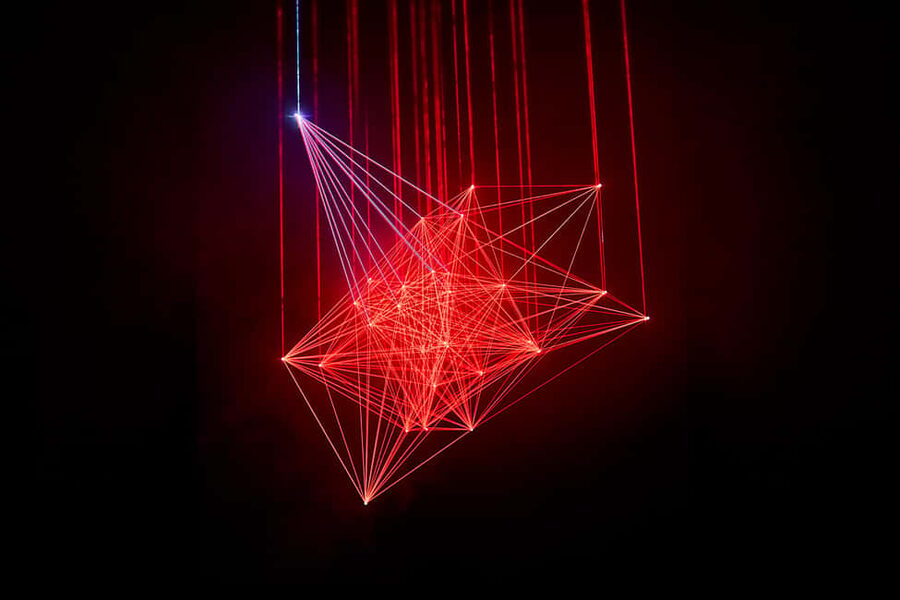
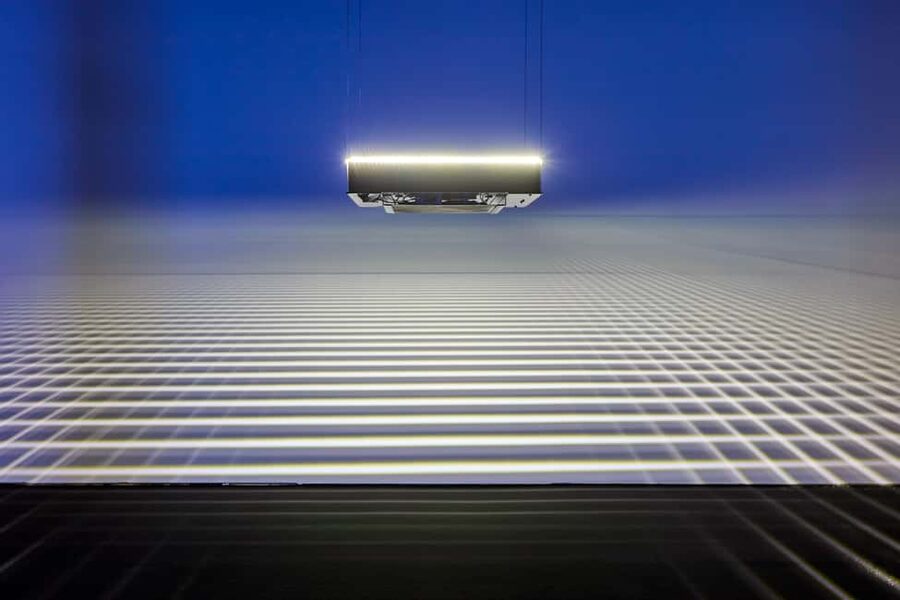
Projection mapping is one of the more accessible forms here. Images move across a room or object, making a static structure appear to shift. You do not need a technical background to enjoy it, though the museum also gives you a chance to think about how technology changes the way art is made.
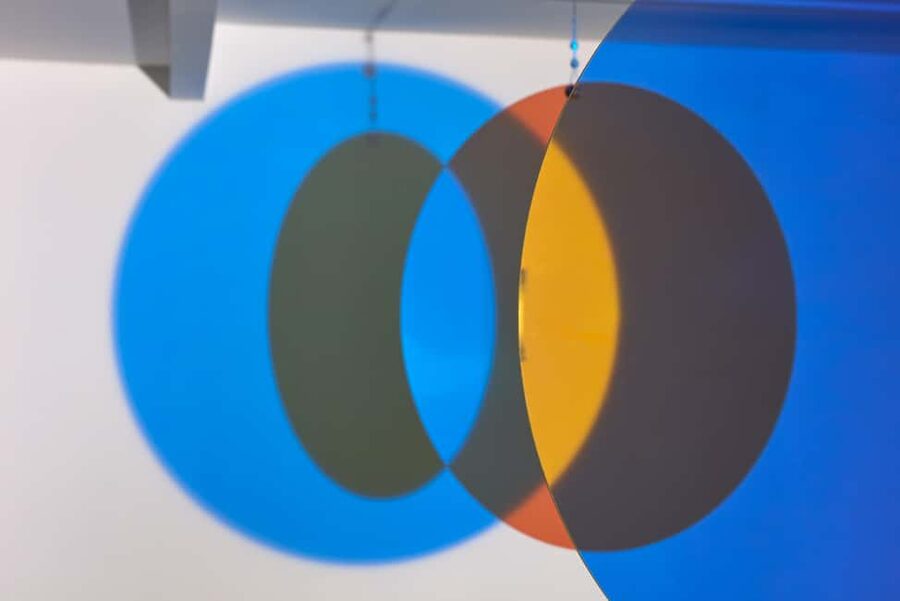
Optical art adds another layer. Victor Vasarely, known for his geometric op-art, is among the artists connected with the display. His work helps place some of the museum’s visual tricks in a wider modern art tradition.
You will also find work associated with László Moholy-Nagy, a pioneer of light-based art. His presence gives the exhibition more depth. The museum is not only showing colorful effects created for social media. It also points toward artists who treated light, movement, materials, and machines as serious artistic tools.
Still, the quality is not perfectly even. I would expect a few installations to speak to you immediately and others to leave you cold. One work described as representing the emptiness of the universe may seem too vague if you prefer a clear subject or message. That is part of the bargain with contemporary art, but it is worth knowing before you buy a ticket.
The airlocked dome and other crowd favorites
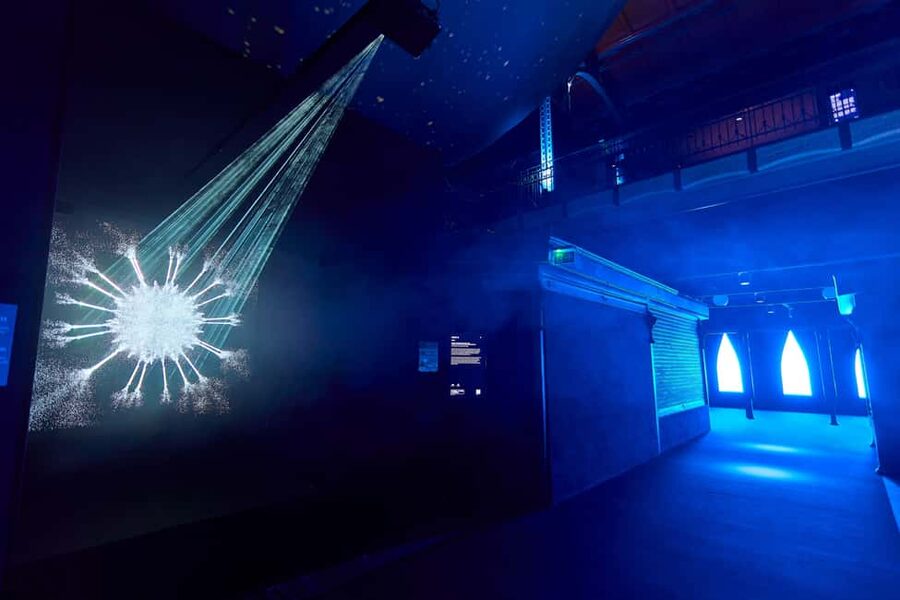
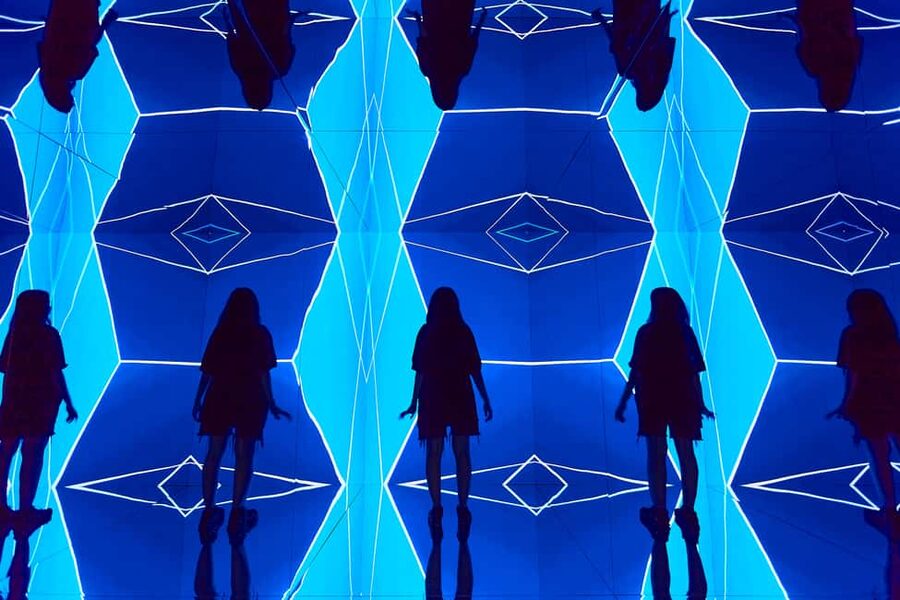
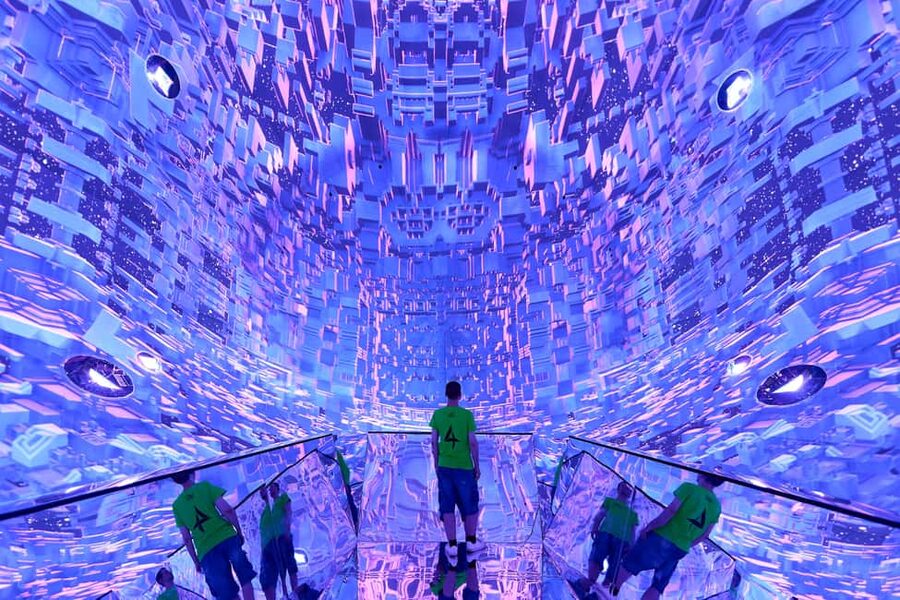
The airlocked dome is one of the most memorable features. The enclosed space creates a strong visual effect, and the best way to experience it is to lie down inside rather than remain standing. If you rush through, you may miss what makes it special.
This is a good example of how the museum rewards participation. Your position changes the experience. You are not just viewing an object; you are testing how your eyes and body respond to it.
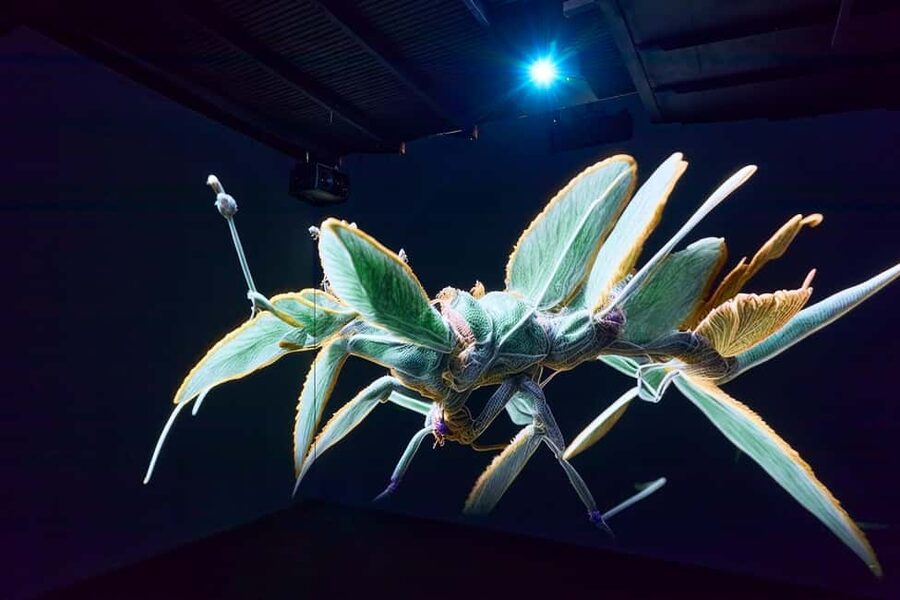
The collection also includes a blimp installation that can be worth returning to. It has the playful, slightly odd quality that makes this museum different from a conventional gallery. If you find a work that clicks with you, you are free to go back instead of treating the visit as a one-way route.
The museum includes many interactive pieces, but not every work requires you to touch or operate something. Some pieces are designed for close viewing, some for movement through space, and some for quiet observation. If you expect every room to function like a hands-on science center, you may find the experience less active than expected.
More things to do in Budapest:
- Budapest: City Highlights Cruise with Welcome Drink
★ 4.6 · 35,610 reviews - Budapest: Unlimited Prosecco, Beer and Aperol Spritz Cruise
★ 4.8 · 25,310 reviews - Budapest: Széchenyi Spa Day Ticket with Optional Upgrades
★ 4.3 · 23,911 reviews - Budapest: Nighttime or Daytime Sightseeing Cruise
★ 4.2 · 21,062 reviews
A good choice for families, with one important caveat
Children can enjoy the bold colors, strange shapes, glowing rooms, and optical effects without needing a long art lecture. A two-year-old can find the changing sights entertaining, while older children may enjoy working out how the effects are made.
I would still prepare younger children for a museum where some rooms may be dark and some effects may feel unusual. The experience is not built around a single story, so children who need constant action may lose interest in quieter pieces.
There is also a section intended for visitors over 18. That makes the museum less straightforward for families than it first appears. If you are visiting with younger children, ask the host about the current route and which area is restricted.
For a family day in Budapest, the museum works best as a focused two-hour stop rather than an all-day attraction. You can pair it with other central Budapest sights without exhausting everyone.
How crowded is the experience?
The museum limits the number of people inside, which helps protect the experience. Light installations lose some of their effect when a crowd blocks the best viewing point, so this policy has real value.
A quieter visit also lets you read the English information and return to an installation without feeling pushed along. If you want photographs, fewer people in the room make a noticeable difference.
I would aim for the start of the day if your schedule allows. A first-thing visit has been especially useful for people who want more space and a calmer pace. That said, the museum can still vary from day to day, and a limited-capacity policy does not guarantee an empty gallery.
The skip-the-line option is helpful if there is a queue at the entrance. Tell the hosts that you want to use it. Since no guided tour is included, you do not need to wait for a group or follow a fixed departure time.
Is two hours enough?
For most people, yes. Two hours gives you time to see the main installations, read some of the explanations, and spend longer with the pieces that catch your eye.
The short visit reports are worth taking seriously, though. If several installations are temporarily closed, or if the art does not suit your taste, you may finish much sooner. One person may feel satisfied after 20 minutes, while another may stay for the full two hours.
This is why I would avoid booking the museum as the only major activity of your day. Treat it as a compact cultural stop with a flexible time commitment. If you love light art and photography, you can linger. If you do not, you can leave without losing an entire afternoon.
The changing language screens can also be a small nuisance. Information is shown in English and Hungarian, but the displays may switch languages before you finish reading. You can still understand the basic idea of many works through the visuals, but anyone who wants every explanation should allow extra time.
Is $18 good value?
At about $18, the ticket is reasonably priced for Budapest if you spend close to two hours inside. The value comes from the variety: you are paying for a collection of light installations, projections, interactive works, and optical art in an unusual historic building, not for one large signature exhibit.
I especially like that the ticket is valid for one day rather than tied to a short guided departure. You can plan around your sightseeing and explore at your own speed. The reserve-now, pay-later option also gives you some flexibility, while cancellation is free up to 24 hours ahead.
The value drops if you expect a huge museum with dozens of major works. The collection is substantial enough for a focused visit, but one person found there were not enough exhibits, and another found some were mediocre. The experience depends heavily on your interest in abstract and experimental art.
For a family, the price can make sense because adults and children can respond to the same works in different ways. For a visitor who wants traditional Hungarian painting or detailed historical context, another museum may offer more for the money.
Who will enjoy the Light Art Museum most?
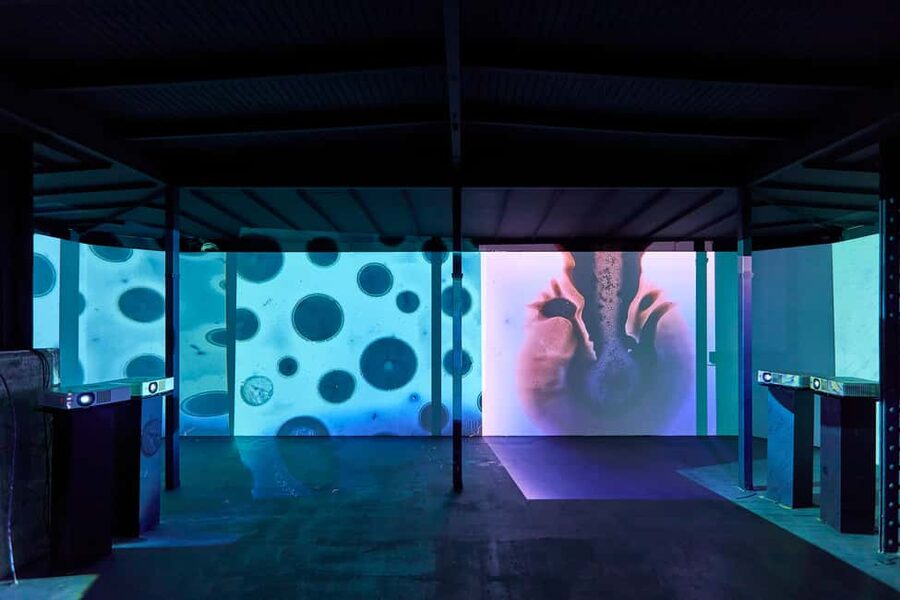
I would recommend it to you if you enjoy:
- Contemporary art that invites personal interpretation
- Photography-friendly installations
- Optical illusions and unusual spaces
- Art mixed with technology and science
- Short, flexible museum visits
- Family activities that do not depend on a long spoken tour
You may want to skip it if you need clear explanations for every piece or if you dislike abstract work. A few installations may seem too simple, too vague, or less interactive than the museum’s overall concept suggests.
The museum is also a smart rainy-day option. The experience takes place indoors, requires no guide, and can fit neatly between other central Budapest plans.
Practical tips for a better visit
Arrive early if you want the best chance of a calm visit. A quieter room makes it easier to find the ideal position for projections and gives you time to return to the airlocked dome.
Wear something comfortable enough for slow exploring, since the strongest effects may require you to stop, change position, or lie down. The dome in particular rewards more than a quick glance.
Keep your expectations open, but not inflated. Some installations may seem immediately beautiful, while others may feel like an idea that never quite reaches you. That unevenness is normal for experimental art, and it is one reason I would allow two hours rather than assume the museum will fill a whole day.
If you are visiting with children, ask about the over-18 section at the entrance. If English explanations matter to you, give yourself time to read them because the information screens may change languages.
Should you book the Light Art Museum?
I would book this experience if you want an unusual Budapest museum with strong visual appeal and a relaxed, self-guided format. The former market, the airlocked dome, the blimp, and the mix of projections and optical art give it enough character to justify a visit.
I would be more cautious if your main goal is a large collection or a consistently high level of traditional art. Some exhibits may be closed, and a few works may feel too abstract. At $18, though, the risk is modest, especially if you are happy with a two-hour stop and enjoy making your own meaning from what you see.
FAQ
Where is the Light Art Museum located?
It is in central Hungary, in Budapest. The museum occupies a historic marketplace that was previously used as a farmers’ market.
How much does admission cost?
The listed price is $18 per person.
How long does the visit take?
The activity allows about two hours of exploration. Depending on your pace and which exhibits are open, you might spend less time or stay for the full two hours.
Is the ticket valid all day?
Yes. The ticket is valid for one day, with starting times shown when you check availability.
Is a guide included?
No guide is included. You explore independently, with an English or Hungarian host or greeter available at the meeting point.
Is the experience available in English?
Yes. Host assistance is available in English and Hungarian, and English information is provided with the artworks.
Does the ticket include skip-the-line access?
Yes. A skip-the-ticket-line option is included. Tell the hosts at the entrance that you would like to use it.
Is the museum suitable for children?
Much of the museum is family-friendly, and young children can enjoy the lights and interactive works. One section is specifically for visitors over 18, so families should ask about that area at the entrance.
What are the main types of art on display?
You can expect light artworks, projection mapping, optical illusions, interactive installations, contemporary and modern art, and site-specific works.
Can I cancel the booking?
Yes. You can cancel up to 24 hours in advance for a full refund. You can also reserve now and pay later, according to the booking terms.
Just added in Budapest
- Budapest: Private Walking Tour with a Local Guide★ 3.6 · 6 reviews
- Budapest: Danube River Views Bike Ride★ 4.8 · 23 reviews
- Budapest: City Bike Tour with Coffee Stop★ 5.0 · 37 reviews
- From Budapest: Guided Tour of Eger with Wine Tasting★ 4.5 · 6 reviews
- Walk to recent and aged spiritual sanctuaries near Budapest★ 5.0 · 5 reviews
- Walking consultancy with alternative psychologist and author★ 5.0 · 2 reviews
- Budapest: Guided Tour of the Parliament Building in Spanish★ 4.6 · 1,240 reviews
- Budapest: 3-Hour Trabant Sightseeing Tour★ 4.7 · 28 reviews
Museums, compared.
Budapest Dohany Synagogue & Hungarian Jewish Museum & free extras
Read our review →
Travelling Galaxy Star Wars Interactive Exhibition
Read our review →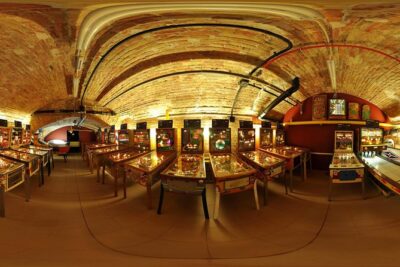
Skip the Line: Budapest Pinball Museum Admission Ticket
Read our review →
Browse the lists this tour appears in