
REVIEW · DANUBE BEND TOURS
Hungary: Szentendre Retro Design Center Entry Ticket
The past is parked here. Szentendre’s Retro Design Center packs nearly 1,000 square meters with 1970s Eastern European cars, toys, radios, appliances, and home furnishings. I especially like the chance to sit in a pink Cabriolet Wartburg and the famous Ikarus bus, rather than viewing everything behind glass. The friendly welcome from the hippie-girl figure at the entrance sets the playful tone.
I also like how the displays go beyond cars. The Polish Market diorama, camping scene, LP-covered walls, and working television advertisements help explain daily life in the communist era. The main drawback is location: this is outside Budapest in Szentendre, so the one-hour visit works best as part of a day trip. Also check the timing carefully, since the guided tour has been offered only in the morning while the museum stays open later.
In This Review
- Key points to know before you go
- Why the Retro Design Center works so well
- Meeting the 1970s at the entrance
- Thirty cars, from Trabant to Ikarus
- The Polish Market diorama and camping scene
- Toys, televisions, radios, and kitchen objects
- Inside the furnished 1970s apartment
- How long should you allow?
- Making the trip from Budapest worthwhile
- Who will enjoy this most?
- Price, booking flexibility, and practical value
- Should you book the Retro Design Center?
- FAQ
- Where is the Retro Design Center located?
- How long does the visit take?
- How much does admission cost?
- Is an English guide available?
- Can I sit inside the vehicles?
- What types of displays are inside?
- Is parking included?
Key points to know before you go
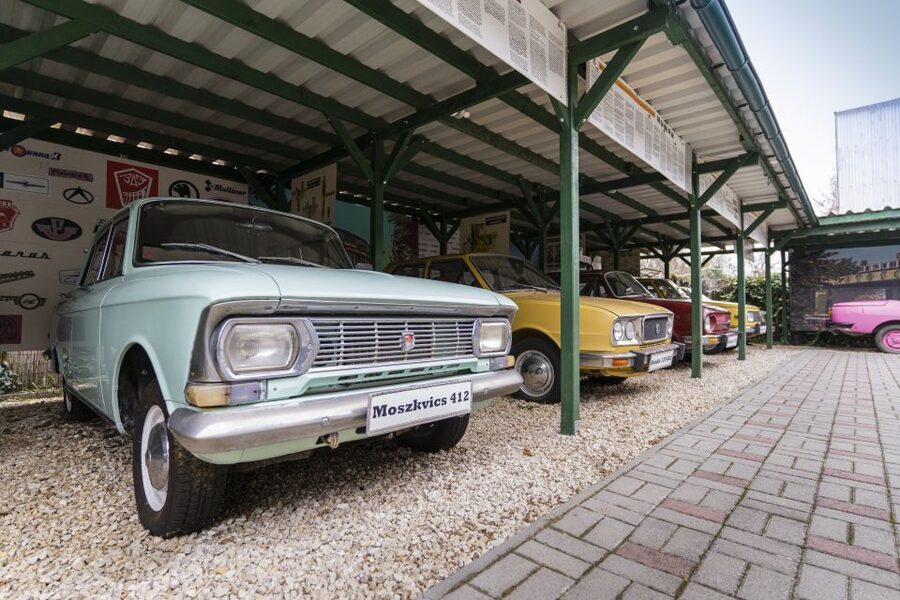
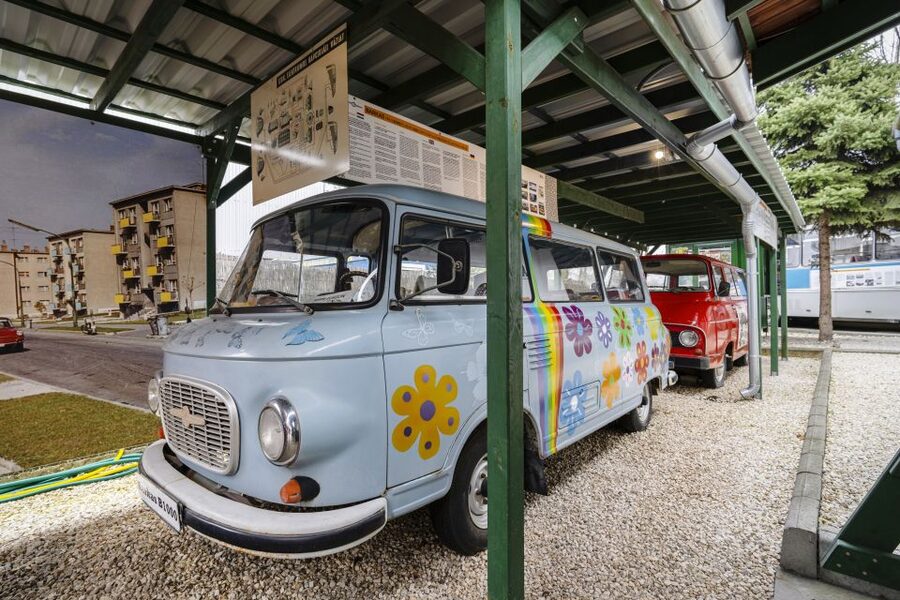
- Thirty vintage cars invite hands-on photos: Sit in a Trabant, pink Wartburg Cabriolet, Barkas Furgon van, Moskvitch, Zhighuli, or the large Ikarus bus.
- The 1970s apartment makes history personal: A furnished living room and kitchen show how ordinary homes looked in Eastern Europe.
- The Polish Market diorama adds local detail: This small scene helps place the cars and household objects in their wider period setting.
- The museum is compact but busy: Plan on about one hour, or up to 90 minutes if you read the text and take plenty of photographs.
- English text is available: Written information is offered in English, German, and Russian, with an English host or greeter listed for the visit.
- Szentendre changes the day plan: The museum is not in central Budapest, but in the small town of Szentendre, a popular local escape outside the capital.
Why the Retro Design Center works so well
Many museums about the communist era lean heavily on politics. This one takes a more ordinary route. It shows the objects people saw, used, drove, watched, and kept in their homes.
That difference matters. A Trabant tells you something about Eastern European manufacturing, but a Trabant beside an old television, kitchen appliance, radio, and children’s toy tells you more about everyday life. You begin to picture how the period looked and felt, not just how it was described in a textbook.
The center covers almost 1,000 square meters, yet the visit remains manageable. You can see the major displays in about an hour. If you stop to read everything, inspect the vehicles, and photograph the details, allow closer to an hour and a half.
At $11 per person, I consider the ticket good value for anyone interested in cars, design, social history, or the culture of Eastern Europe. It is not a full-day museum, so its value comes from how much it gives you in a short visit. It also fits neatly into a day in Szentendre, where you can combine the museum with the town’s other sights and a meal.
More Danube Bend trips:
- From Budapest: Danube Bend & Szentendre Tour with Lunch
★ 4.1 · 824 reviews - From Budapest: Danube Bend Day Trip in English
★ 4.2 · 499 reviews - From Budapest: Full-Day Danube Bend Tour with Lunch
★ 4.2 · 442 reviews
Meeting the 1970s at the entrance
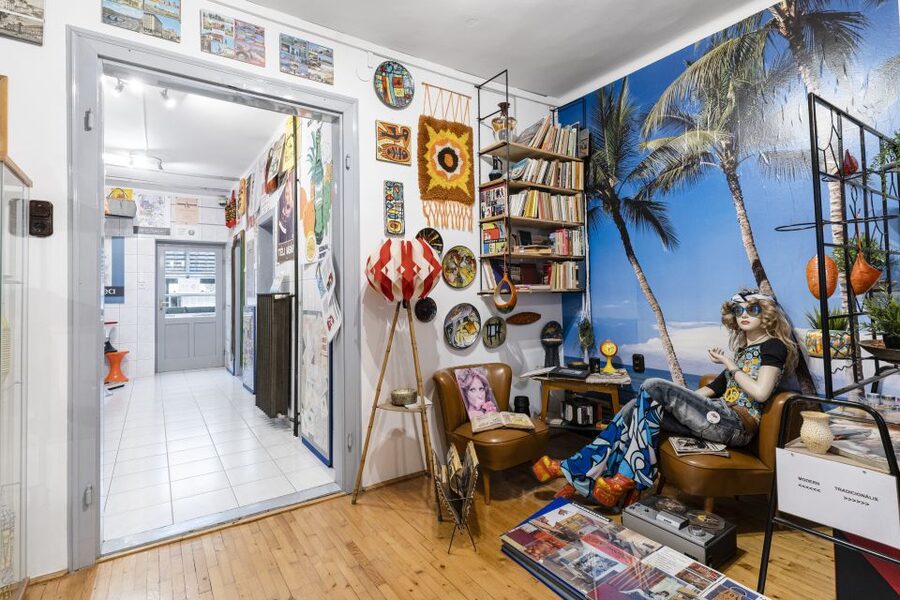
The arrival has a light, slightly theatrical touch. A friendly hippie girl greets you as you enter, immediately signaling that this is not a formal museum of solemn displays.
The welcome is part of the appeal. The center wants you to smile, take photographs, and interact with the objects. That tone makes the visit easier for children and for anyone who does not normally seek out museums about political history.
It also prepares you for the period style. The 1970s were not presented as a single story. Instead, the center brings together cars, camping equipment, toys, home appliances, records, and advertising. You can move from one part of daily life to another without needing a long introduction.
The English host or greeter can help you get started, and the written material is available in English, German, and Russian. If you want the fullest explanation from a guided visit, check the schedule before booking. The museum may be open in the afternoon, but the guided tour has been limited to morning hours according to the practical information available for this experience.
Thirty cars, from Trabant to Ikarus
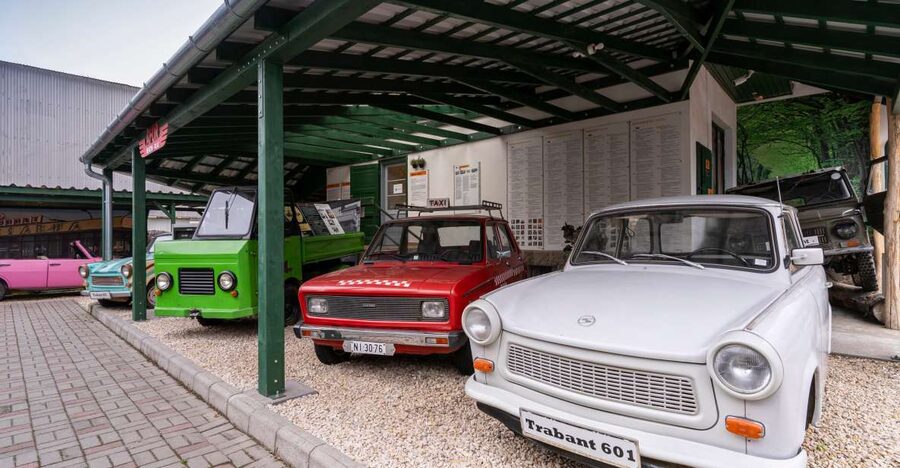
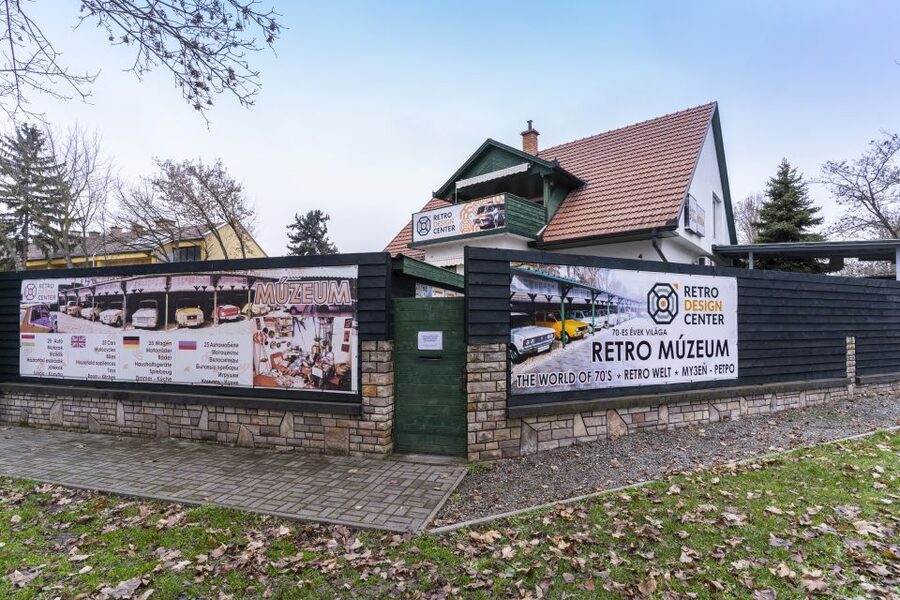
The vehicle collection is the main draw for many people. Around 30 vintage cars fill the center, including familiar Eastern European names such as Trabant, Moskvitch, and Zhighuli.
These are not simply cars to admire from a distance. You can sit in several of them and take photographs. That hands-on feature changes the mood. Instead of wondering what the narrow seats or simple interiors felt like, you can get a direct sense of them.
The pink Cabriolet Wartburg is the most obvious photo stop. Its color gives the display a playful edge, while the Trabant offers a more typical glimpse of communist-era motoring. The contrast between the two is useful: one is a bright, attention-grabbing convertible, the other is a modest car closely linked with life behind the Iron Curtain.
You can also see a hippie-style Barkas Furgon van. Its shape and styling fit the center’s relaxed 1970s mood, and it adds variety to a collection otherwise filled with standard passenger cars.
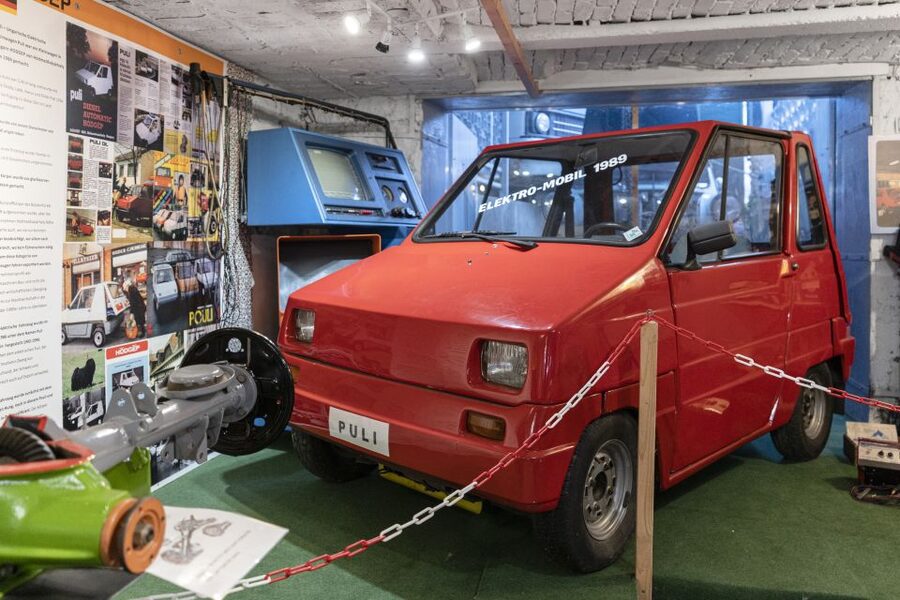
Then there is the Ikarus bus. This famous Hungarian vehicle is much larger than the surrounding cars, so it gives the room a focal point. I like that it is included as more than background scenery. You can enter it, look around, and imagine the role public transport played in daily life.
If you are visiting mainly for photography, plan extra time around the vehicles. A one-hour visit is enough for a quick look, but not if you want to sit in each accessible vehicle and study the details.
The Polish Market diorama and camping scene
The smaller displays give the cars context. One of the most interesting is the Polish Market diorama, which recreates a commercial scene from the period.
A diorama can seem minor beside a full-size bus, but this one helps show how people encountered goods and public life. It gives you a visual setting for the objects around the museum. Rather than seeing a radio or appliance as an isolated collectible, you can connect it with the shops, markets, and routines of the era.
The camping scene offers another useful change of pace. It recalls leisure time, not only work and household chores. The display suggests how people traveled, relaxed, and made use of the equipment available to them.
These scenes are particularly helpful if you did not grow up with the period. Someone who remembers the 1970s may pause over a familiar object, while younger visitors can use the dioramas to understand how the pieces fit together.
A completely different kind of day:
- From Budapest: Szentendre Half-Day Tour
★ 4.2 · 338 reviews - Budapest Danube Bend Full Day Tour with Lunch
★ 4.0 · 203 reviews - Szentendre Daytrip (Artists’ Village) small group
★ 4.5 · 151 reviews - Danube Bend: Day trip from Budapest
★ 4.0 · 125 reviews
Toys, televisions, radios, and kitchen objects
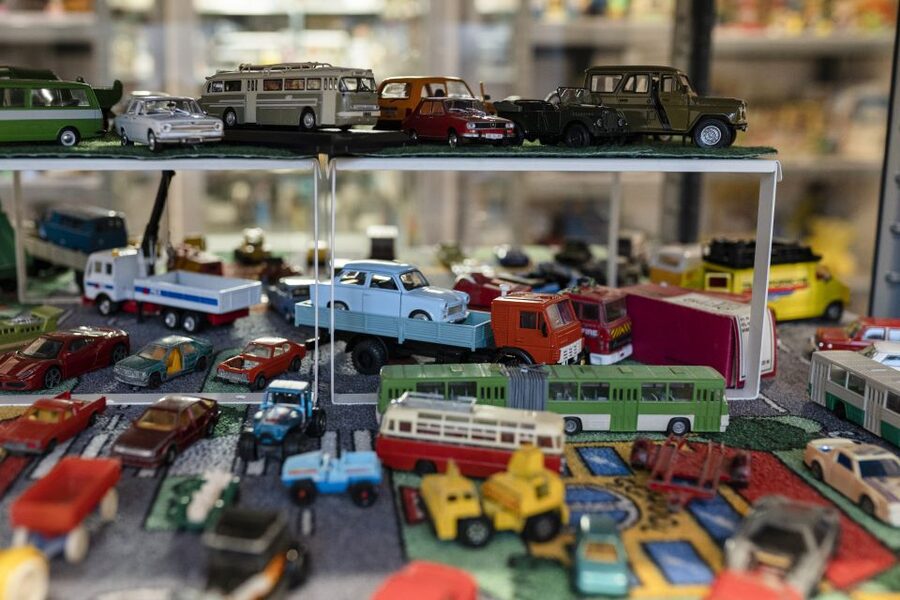
The collection of communist-era toys is one of the most personal sections. Toys often trigger memories faster than cars or appliances, and the displays let you compare childhood objects with the larger world around them.
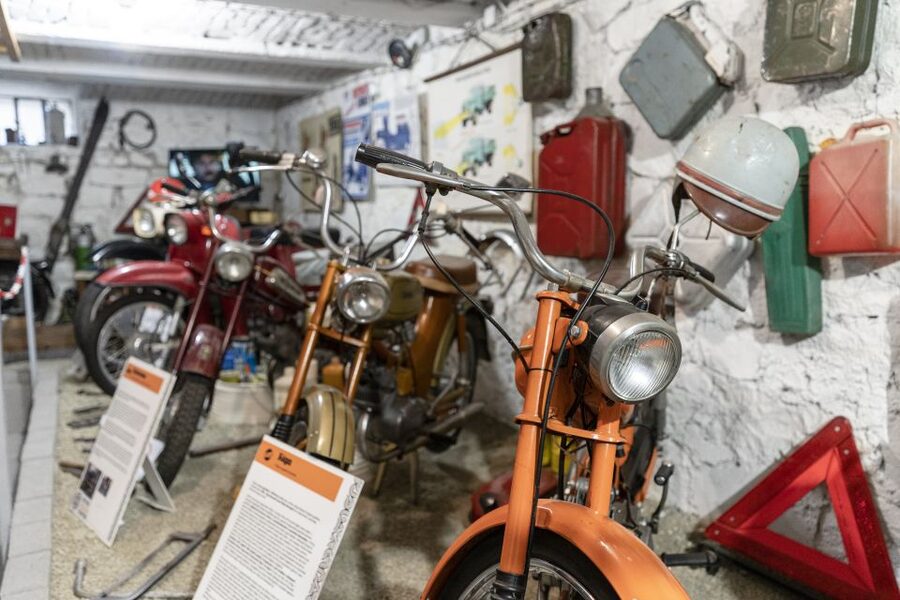
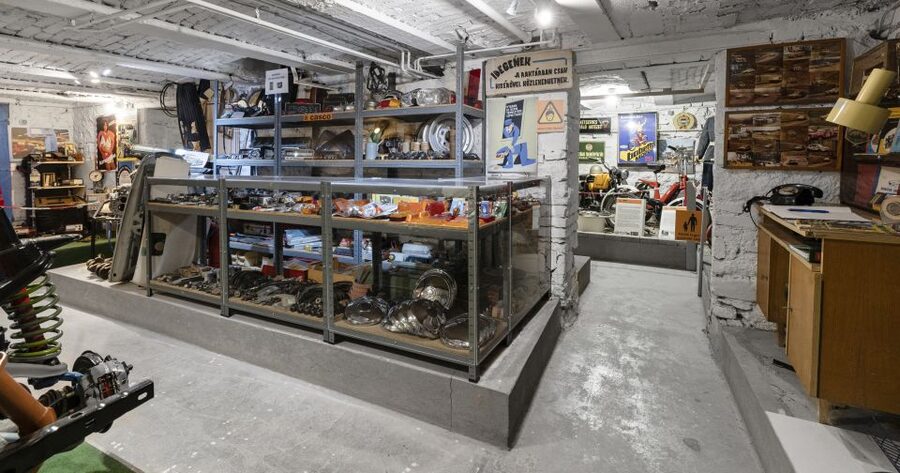
You will also find television sets, radios, and household appliances. These objects show the design language of the time: practical, sturdy, and often much less polished than modern electronics. Their size alone can be amusing when compared with today’s thin screens and compact devices.
One of the most unexpected details is the television advertising. Televisions play period commercials, adding sound and movement to an otherwise still collection. This is a strong touch because advertisements reveal what people were encouraged to buy and how products were presented.
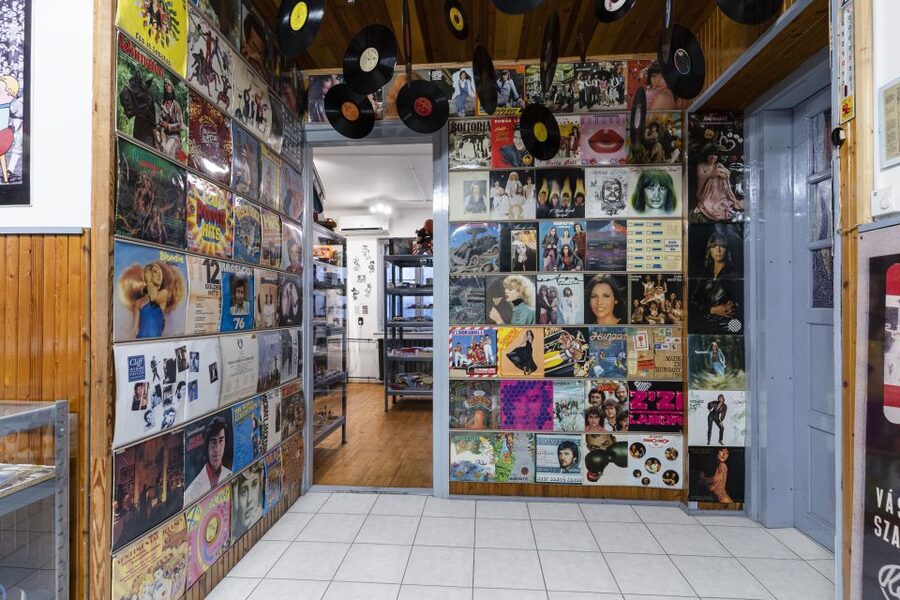
The walls covered with 1970s LPs add another layer. Music is closely tied to memory, and the record displays help create the period atmosphere without requiring a long lecture. You can look for familiar covers, compare the artwork, and see how much space physical music once occupied.
I would not rush this section. The objects may look familiar at first, but the small details often provide the best reason to linger. A radio dial, a toy design, or an old television advertisement can say more about ordinary life than a large sign.
Inside the furnished 1970s apartment
The furnished apartment is where the center’s theme becomes most complete. You can see a living room and kitchen arranged in a 1970s style, rather than viewing single objects on separate stands.
This arrangement gives you a sense of scale and routine. A kitchen appliance makes more sense when you see it as part of a working household. A television feels different when it sits in a living room surrounded by the furniture and decorations of its time.
The apartment also provides a useful pause after the cars. Vehicles attract attention with their size and color, but the home displays explain how the period entered private life. You can think about what people cooked with, watched after work, listened to, and placed in their homes.
The experience does not depend on a formal lecture. The written text guides in English, German, and Russian let you explore at your own speed. I like that flexibility, especially in a small museum where you may want to spend five minutes on one object and move quickly through another section.
How long should you allow?
The stated duration is one hour. That is realistic for a focused visit, especially if you mainly want the cars and the largest displays.
I would allow 60 to 90 minutes if you want to read the text, sit in the vehicles, study the apartment, and watch the television advertisements. The visit is short, but it does not feel empty. It is more a compact collection than a long chronological museum.
The difference between one hour and 90 minutes also depends on your purpose. A car enthusiast may spend most of the time with the Trabants, Wartburg, Moskvitch, Zhighuli, and Ikarus bus. Someone interested in social history may spend longer with the toys, market diorama, apartment, and appliances.
Pay attention to the tour time shown when you reserve. The museum remains open later than the guided tour in the morning, so an afternoon arrival may mean a self-guided visit with the written material rather than a formal tour. That is not necessarily a problem, but it is important to know what you are buying.
Making the trip from Budapest worthwhile
The Retro Design Center is in Szentendre, a small town outside Budapest. It is not a quick central-city museum stop, and one of the practical comments about the visit correctly points out that reaching it takes planning.
That distance can be a disadvantage if you want only a one-hour attraction. It becomes less of an issue if you already plan to spend a day in Szentendre. The museum works well as one stop during a wider visit to the town, particularly after lunch or as a short cultural break.
One visitor described it as an ideal short visit after lunch, which is a useful way to think about it. The center does not demand your entire afternoon. It gives you a focused hour, then leaves time for the rest of Szentendre.
Parking is not included in the ticket. If you are driving, factor that into your plans rather than treating the $11 ticket as the full cost of the outing. The available booking information does not provide a parking fee or a detailed parking arrangement, so check locally before you set out.
Who will enjoy this most?
I would recommend the center first to anyone with a personal connection to the 1970s or 1980s. The toys, televisions, LPs, cars, and household items can bring back childhood memories in a way that a standard history museum cannot.
It is also a good choice if you want a simple introduction to daily life in Eastern Europe. You do not need specialist knowledge. The displays give you plenty to look at, and the English text helps explain what you are seeing.
Families may appreciate the vehicles and interactive photo opportunities, while car fans will have the most obvious reason to visit. The collection includes enough different vehicle types to keep the visit from becoming a single-model display.
I would be more cautious if you dislike small museums, have no interest in vintage objects, or are looking for a long guided program. The center is compact, and some of its appeal depends on your willingness to notice details.
Price, booking flexibility, and practical value
The $11 admission price is modest for a collection that includes 30 vehicles, an Ikarus bus, period interiors, toys, appliances, radios, records, and moving television advertisements. Since the visit lasts about an hour, the ticket is best judged as an affordable add-on to a Szentendre day rather than as a major standalone attraction from Budapest.
Free cancellation up to 24 hours before the visit gives you useful flexibility. You can also reserve now and pay later, which helps if you are still arranging your Budapest schedule.
The host or greeter is listed as English-speaking, while the written guide is available in English, German, and Russian. If you want a guided experience rather than a self-directed one, confirm the morning timing before you commit.
The overall rating is 4.5 out of 5 from the available bookings, with especially strong praise for the friendly staff, the imaginative displays, and the nostalgic quality of the collection. One lower score still described the museum as worth the trip, but stressed the distance and the need to check tour hours. That is the fair reading: the center is appealing, but the logistics matter.
Should you book the Retro Design Center?
Book it if you are planning time in Szentendre and enjoy vintage cars, design, family memories, or everyday history. The pink Wartburg, Trabant, Barkas van, Ikarus bus, period apartment, and old television commercials give you plenty to see for $11.
If you are staying only in central Budapest, treat the museum as part of a full Szentendre outing, not as a quick detour. Check the guided-tour time, allow more than an hour if you like to read and photograph, and remember that parking costs extra.
For a compact, cheerful look at Eastern European life in the 1970s, I think it is a worthwhile stop. It will not fill a whole day, but it can make a day in Szentendre more memorable.
FAQ
Where is the Retro Design Center located?
It is located in Szentendre, in Central Hungary, outside Budapest.
How long does the visit take?
The listed duration is one hour. You may want up to 90 minutes if you plan to read the displays and take many photographs.
How much does admission cost?
The ticket price is $11 per person.
Is an English guide available?
An English host or greeter is listed, and written text is available in English, German, and Russian.
Can I sit inside the vehicles?
Yes. You can sit in vehicles such as the pink Cabriolet Wartburg, Trabant, and Ikarus bus for photographs.
What types of displays are inside?
The center includes about 30 vintage cars, communist-era toys, television sets, radios, household appliances, 1970s LPs, a Polish Market diorama, a camping scene, and a furnished apartment with a living room and kitchen.
Is parking included?
No. Parking is not included in the admission ticket.
Just added in Danube Bend
- Vienna-Budapest Bike Rental with Bike Delivery★ 4.6 · 2 reviews
- SzentEndre-SaintAndrew City Privately Shopping and Picturesque★ 4.5 · 3 reviews
- Budapest to Szentendre bike & boat tour★ 5.0 · 25 reviews
- Private Danube Bend Visegrad and Szentendre Tour With Transport★ 5.0 · 3 reviews
- Private day trip: Budapest to Szentendre, Visegrad and Esztergom★ 5.0 · 6 reviews
- Private Szentendre & Visegrád tour★ 4.5 · 8 reviews
- Private Danube Bend tour – full day★ 4.5 · 3 reviews
- Private Danube Bend Experience with a comfortable air conditioned car★ 5.0 · 10 reviews
Danube Bend Tours, compared.


Szentendre Daytrip (Artists’ Village) small group
Read our review →
Private Guided Tour to Szentendre & Visegrád Castle (Danube Bend)
Read our review →
One Day Wonder Hike – The Essence of the Danube Bend
Read our review →Browse the lists this tour appears in