REVIEW · HALF-DAY
Budapest Half-Day Tour: Life Behind the Iron Curtain
The past still speaks in Budapest. This private five-hour tour connects the Citadella, Terror House, Memento Park, and the Children’s Railway to explain how war and Communist rule shaped daily life in Hungary. I like the small private format, which lets you ask direct questions instead of following a large group. I also like the strong mix of museums, monuments, and city views.
The main drawback is cost. At $511 for up to six people, the tour makes the most sense for a full group. A couple or solo visitor pays a steep price for the same private vehicle and guide service, and some entry fees are not included.
In This Review
- Key points to know before booking
- Why this tour helps explain modern Budapest
- Starting at the Citadella and Liberty Statue
- Terror House and the human cost of Communist rule
- Memento Park moves old propaganda outside the city
- The Children’s Railway adds a surprising final chapter
- How the private van changes the experience
- What the price includes, and what it does not
- Who will get the most from this experience?
- Is the Budapest Iron Curtain tour worth booking?
- FAQ
- How long is the Budapest Iron Curtain tour?
- What places are visited?
- Is the tour private?
- Is hotel pickup available?
- Which languages are available?
- Is entry to Memento Park included?
- What should I bring?
Key points to know before booking
- The Citadella links World War II and the Soviet period, beginning the tour with the siege of Budapest and the occupation that followed.
- The Liberty Statue has a complicated past, first honoring Soviet troops before becoming a broader symbol of freedom.
- Terror House gives the tour its emotional weight, with an audio guide focused on victims of Communist rule.
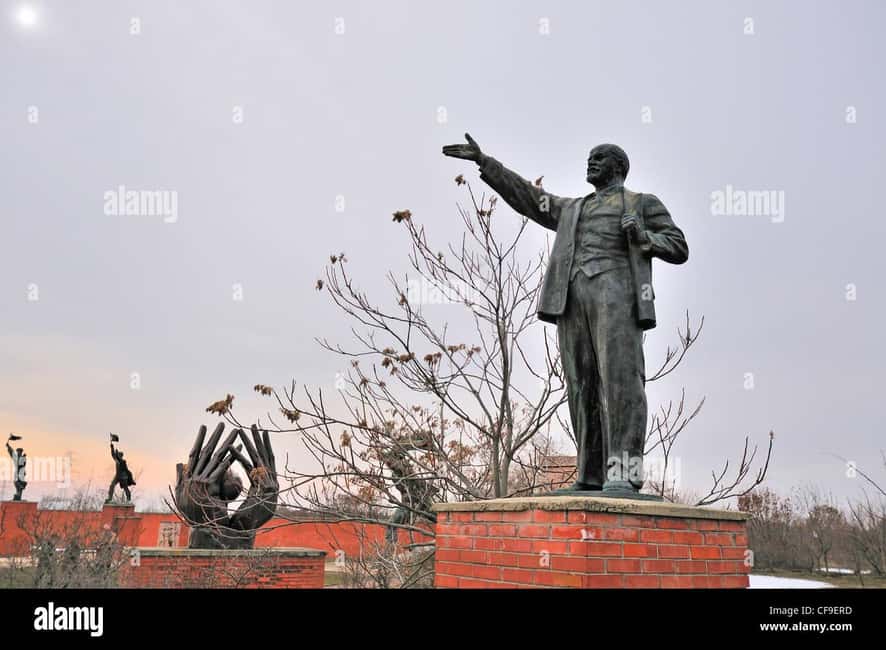
- Memento Park preserves 42 Communist-era statues, including figures such as Marx, Lenin, and Ostapenko.
- The Children’s Railway adds an unusual final stop, a railway that opened in 1949 and was operated by children aged 10 to 14.
- A private group of up to six shares the $511 price, making this more practical for families or friends than for one or two people.
Why this tour helps explain modern Budapest
Budapest is full of grand buildings and scenic views, but its 20th-century story can be harder to read at street level. This tour gives you a clear route through that story. You see monuments tied to war, Soviet power, Communist leadership, repression, and the later reworking of public memory.
I like that the experience does not treat the Iron Curtain as a single museum topic. You move between a hilltop fortification, a serious indoor museum, an outdoor collection of removed statues, and a railway linked to Communist youth culture. Each stop has a different mood.
The private setting matters here. This is a subject with plenty of dates, political details, and personal stories. With your own guide, you can pause for an explanation or ask how a monument changed meaning after the Soviet period. Thomas, one of the guides available for this experience, received especially strong praise for his clear insight and for balancing time in the van with walks at the stops.
The tour offers live guiding in English, Spanish, Italian, German, Russian, French, and Portuguese. You should confirm your preferred language when booking, since the available guide affects how comfortably you can follow the discussion.
More things to do in Budapest:
- Budapest: City Highlights Cruise with Welcome Drink
★ 4.6 · 35,610 reviews - Budapest: Unlimited Prosecco, Beer and Aperol Spritz Cruise
★ 4.8 · 25,310 reviews - Budapest: Széchenyi Spa Day Ticket with Optional Upgrades
★ 4.3 · 23,911 reviews
Starting at the Citadella and Liberty Statue
The first major sight is the Citadella on Gellert Hill. Here, the guide explains the siege of Budapest near the end of World War II. That moment matters because it begins the story of Hungary’s occupation, rather than treating Communist rule as something that appeared without warning.
The Citadella also gives you a useful setting for understanding Budapest’s strategic importance. From the hill, the city panorama helps connect military control with geography. You are not just hearing about the war in a room. You are looking across the city from a place tied to its defense.
The Liberty Statue is the visual centerpiece. Erected in 1947, it originally honored the Russian troops. The monument rises about 26 meters on its pedestal, with the statue itself adding another 14 meters. That scale helps explain why it became such a major feature of Budapest’s skyline.
Its meaning later changed. Today, the Liberty Statue is treated as a universal symbol of freedom rather than simply a Soviet memorial. I find this shift one of the most useful ideas on the tour. Public monuments do not always keep one political meaning forever. The same figure can pass from occupation symbol to a broader national image.
You should expect this portion to involve some walking around the hill and monument area. Wear practical shoes, especially if you plan to spend extra time taking in the views or listening closely to the guide. The tour includes transfers, so you are not left to work out the route between each widely separated stop by yourself.
Terror House and the human cost of Communist rule
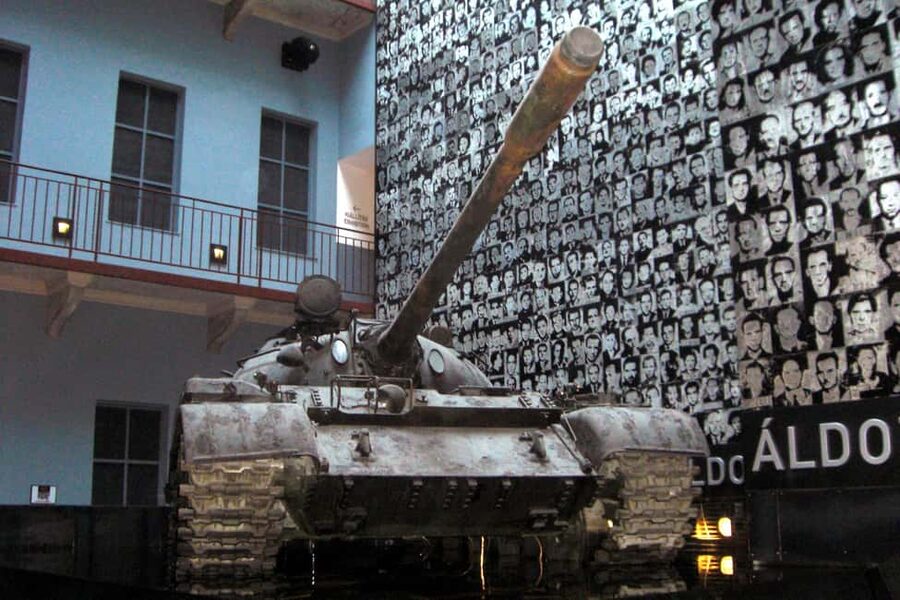
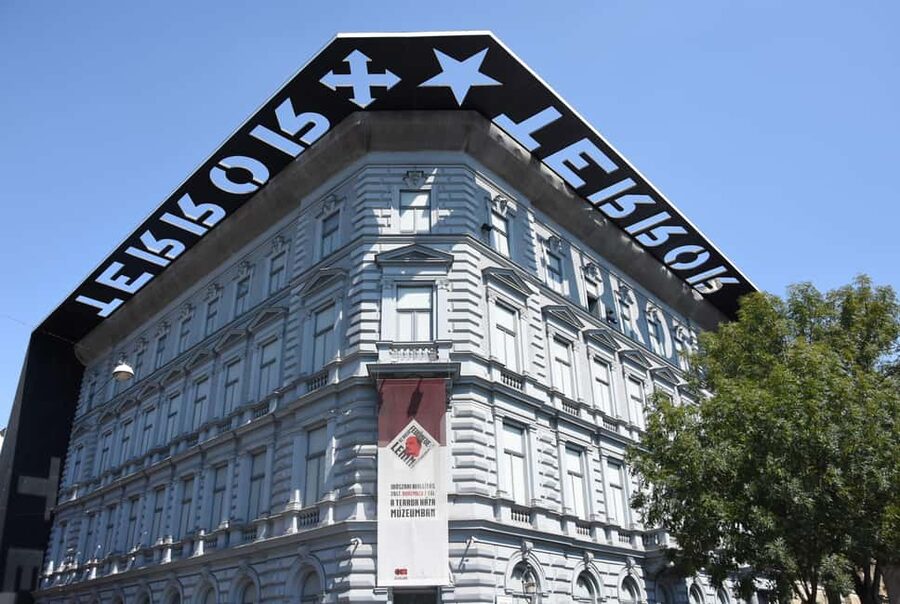
Terror House, also known as the Terror Museum, changes the tone. The museum is dedicated to people who suffered under the Communist era, and an audio guide is included. This stop moves the subject away from statues and political slogans and toward the effect of the system on individuals.
I would allow yourself time to take this part seriously. The museum is not simply another sightseeing stop to check off quickly. Its purpose is remembrance, and the material can be difficult. The tour’s earlier discussion of occupation and state power gives you useful context before you enter.
The audio guide can help you follow the museum independently while your guide remains available as part of the wider tour. Since the museum visit is one of the central parts of the experience, check the exact admission arrangements before paying. The package specifically includes entry to Memento Park, while entry fees are also listed separately as not included, so you should confirm whether Terror House admission is covered in your booking price.
This is likely the stop that will appeal most to anyone who wants more than a collection of old political statues. One person who took the tour described the experience as an in-depth look at daily life under Communist rule and called Terror House a must-see. That matches the role it plays in the route: it gives the political story a personal and emotional center.
If you prefer a lighter sightseeing day, this museum may feel heavy. That is not a flaw, but it is worth knowing before you book. The tour deals with war, occupation, repression, and state control. It is educational, but it is not designed as a carefree city outing.
Memento Park moves old propaganda outside the city
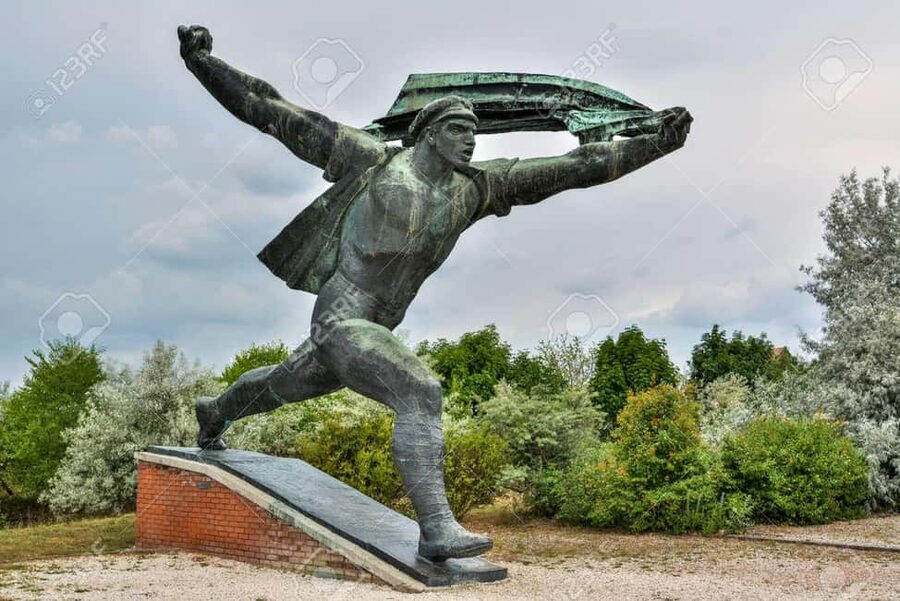
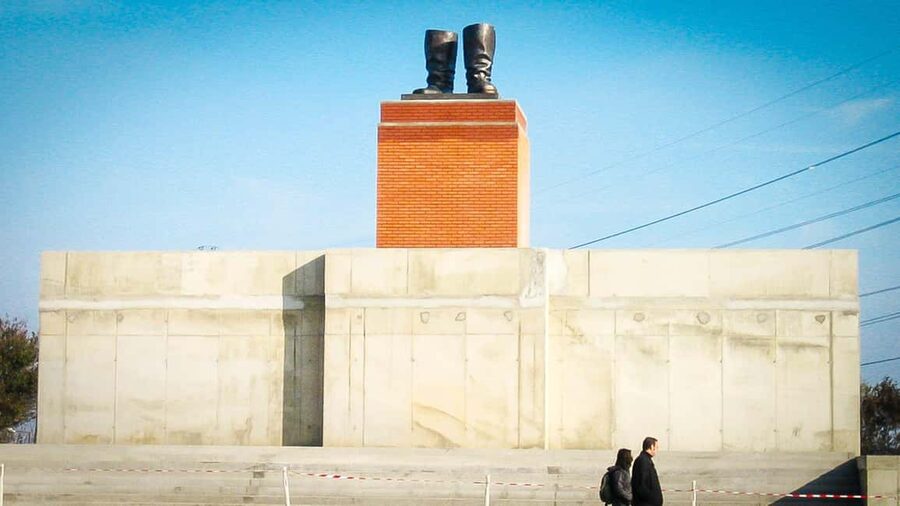
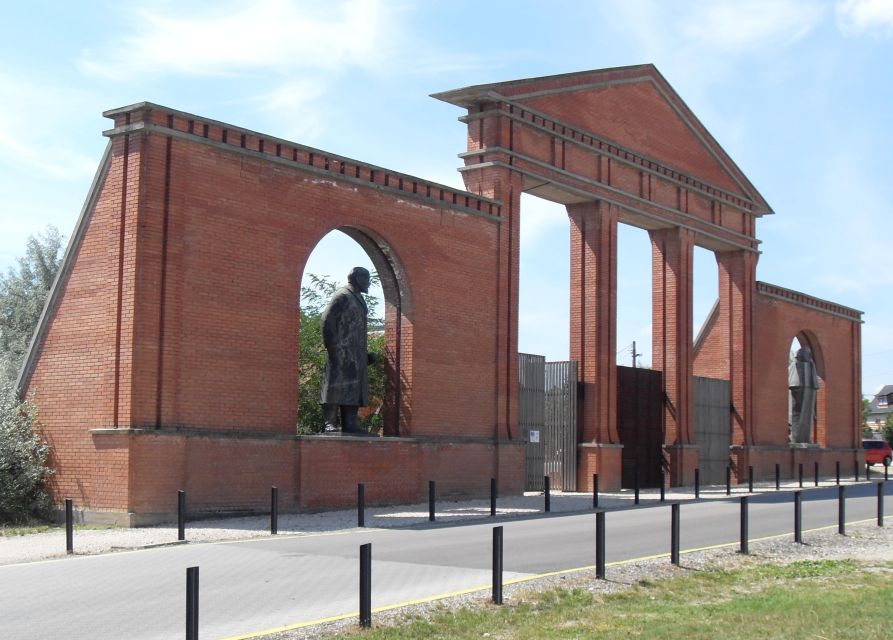
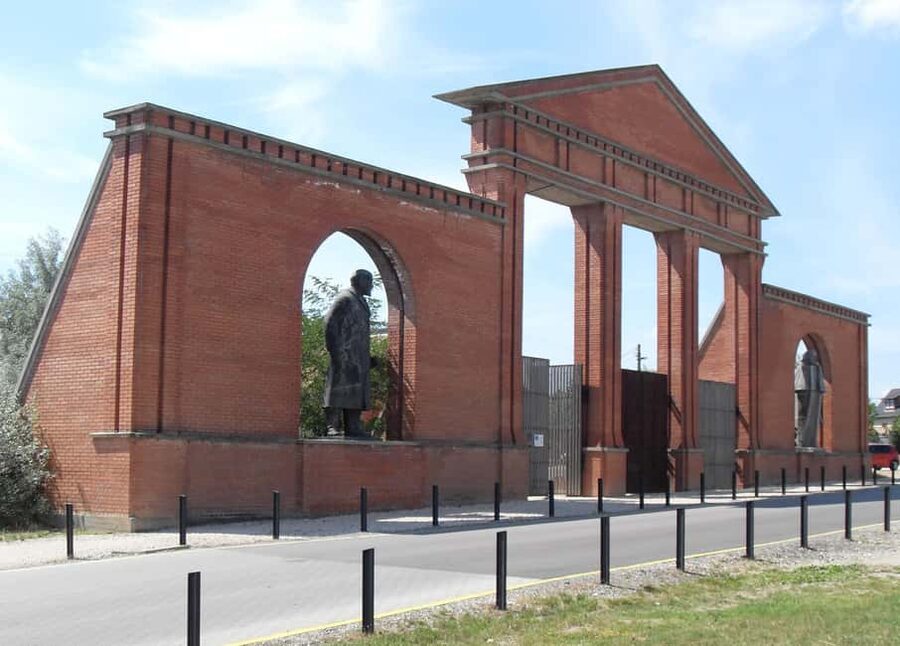
Memento Park is one of the most distinctive stops. After the political changes in Hungary, statues associated with the Communist period were removed from central Budapest and relocated to this open-air museum. Instead of seeing these monuments in their original public settings, you see them together, separated from the streets where they once carried official authority.
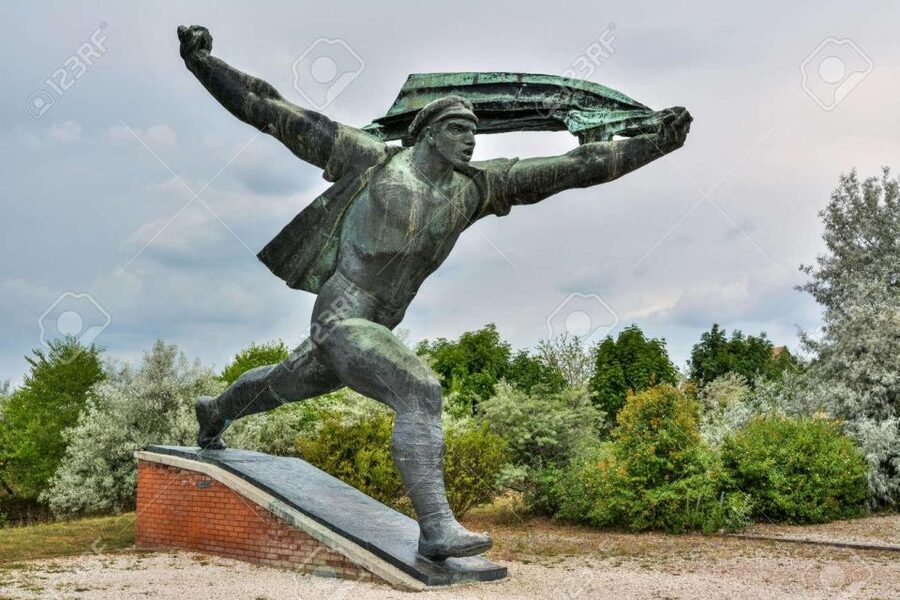
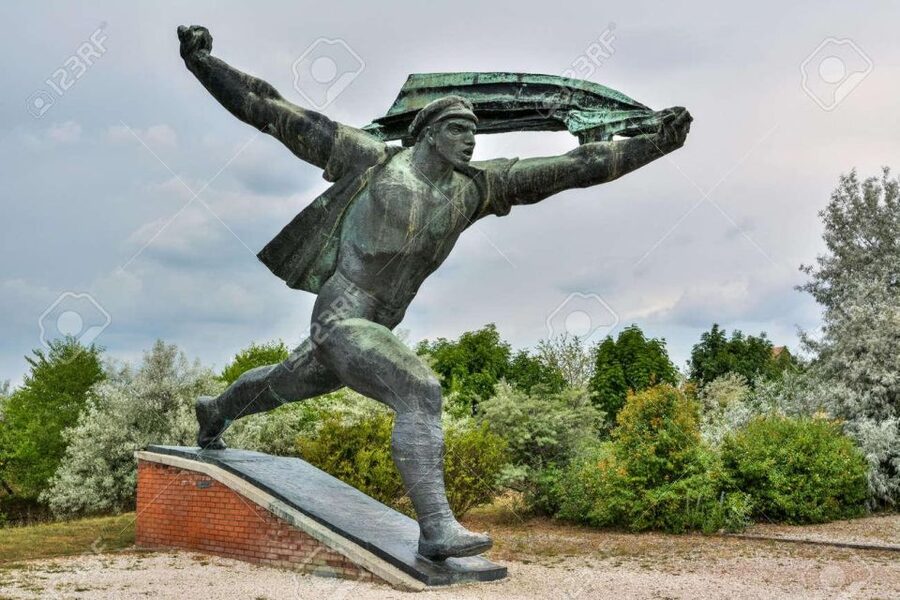
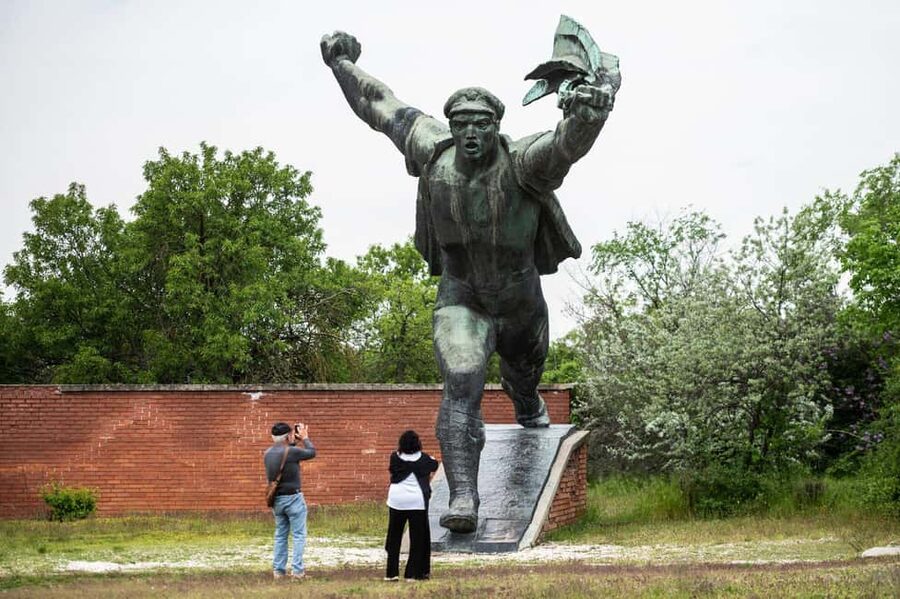
The collection contains 42 pieces. Among them are statues of Marx, Lenin, and Hungarian Communist leaders, along with Ostapenko and the Memorial of Hungarian-Soviet Friendship. The six-meter-high statue of the Liberation Army Soldier is another major piece.
The park works because the setting changes how you read the statues. In central Budapest, a monument can seem permanent and unquestionable. At Memento Park, you can compare one political figure with another and consider how public art was used to promote a system. The collection becomes a lesson in power, symbolism, and changing memory.
Entry to Memento Park is included, which improves the value of the tour. You also have the guide’s interpretation to help identify the people and explain why the works mattered. Without context, some statues could blur together. With context, the park becomes one of the most useful parts of the day.
I especially like the contrast between Memento Park and the Liberty Statue. The Liberty Statue remained in Budapest but took on a new meaning. The Communist statues were moved out of the city center. Those two outcomes show different ways a country can deal with a difficult political past.
Memento Park is also a good choice for anyone who enjoys unusual museums. It is not a polished palace or a traditional art gallery. The appeal comes from seeing a complete group of political monuments in one place and thinking about what happens when a government’s symbols lose their authority.
A completely different kind of day:
- Budapest: Nighttime or Daytime Sightseeing Cruise
★ 4.2 · 21,062 reviews - Budapest: 1-Hour Evening Sightseeing Cruise with Drink
★ 4.5 · 8,330 reviews - Budapest Danube Cruise and Dinner Options, Live Music and Dance
★ 4.5 · 7,428 reviews - Budapest: Historic Cruise with Welcome Drink
★ 4.7 · 6,512 reviews
The Children’s Railway adds a surprising final chapter
The final portion is more cheerful. You ride the Children’s Railway in the Buda hills, originally called the Pioneer’s Railway. It opened in 1949 and was operated by children aged 10 to 14.
That detail gives the railway a different view of Communist life. The day has already shown you monuments and institutions connected with state power. Here, you see how the system also shaped youth organizations and public activities. The railway was not just transport. Its operation by children reflected the values the Communist state wanted to promote.
Ending with the railway is a smart change of pace. After Terror House and the political monuments, you get a lighter memory from the same period. The ride does not erase the darker material. It shows that daily life under Communism included ordinary activities, youth programs, work, family routines, and moments of enjoyment alongside political control.
The available information does not provide a separate ride duration or a detailed timetable, so you should check the starting time and current operating details when you reserve. The overall activity is described as five hours, though the route includes several transfers and visits, so the day moves at a purposeful pace.
How the private van changes the experience
Transfers are included, and pickup is available from your Budapest accommodation or another agreed location. The stated pickup areas are District XI, District V, and District VII, with return to those same districts. If your accommodation is elsewhere, confirm the meeting point before booking.
The van is practical because the sights are spread around Budapest. You avoid arranging separate transport to Gellert Hill, the museum, Memento Park, and the Buda hills. You also spend less energy navigating and more time listening.
The tradeoff is that this is not a walking tour of central Budapest. Some portions take place in the van, while others involve walking at the sites. One particularly positive account described this balance directly, noting that the private tour combined van travel with walking and that the guide’s explanations added real value.
A private group can include up to six people. That gives your party more room to ask questions and keeps the day focused on your interests. It also means the price should be judged as a group cost, not a per-person bargain.
At full capacity, $511 works out to about $85 per person. For six people, that can be reasonable once you consider the private guide, transfers, and included Memento Park admission. For three people, it is about $170 each. For two, it is roughly $255 each. I would book this mainly with family or friends who can share the cost.
What the price includes, and what it does not
The $511 price covers a private group of up to six, transfers, and a guide. Entry to Memento Park is included. Lunch is not included, so plan to eat before or after the tour rather than expecting a meal during the route.
Other entry fees are listed as not included, even though the tour description also identifies an audio guide at Terror House. Because of that wording, I would ask for a clear breakdown of admission costs before you commit. A low headline price can become less attractive if you are surprised by extra tickets on the day.
The reserve-now-and-pay-later option is useful if your Budapest schedule is still shifting. You can reserve without paying immediately, and free cancellation is available up to 24 hours before the experience for a full refund. Those terms make it easier to hold the date while you arrange the rest of your sightseeing.
The tour is wheelchair accessible. You should still share any mobility needs when arranging pickup, since the route includes hilltop and outdoor sites as well as indoor museum space. Bring a passport or identity card, as this is listed among the required items.
Who will get the most from this experience?
I would recommend this tour to you if you want political context alongside sightseeing. It suits first-time visitors who feel that Budapest’s 20th-century story is missing from a standard city tour, and it works well for anyone already interested in the Cold War, Soviet influence, public monuments, or Communist-era life.
It is also a good fit for families with older children or teenagers who learn better from seeing real places than from reading a long museum label. Memento Park and the Children’s Railway provide visual variety, while the guide can connect the sites into one story.
History-minded couples and small groups will appreciate the private format, especially if they want to ask detailed questions. The available languages also make the experience more approachable for an international group.
I would hesitate if you have only a short time in Budapest and want the city’s classic highlights. The tour focuses on a specific chapter of Hungarian history rather than the Parliament, Buda Castle, the Great Market Hall, or the main thermal baths. It is best treated as a focused second-day activity, not as a replacement for a general city introduction.
You should also think about your tolerance for difficult museum material. Terror House gives the route real weight, and the topic is not light. The guide can make the events easier to understand, but the subject remains serious.
Is the Budapest Iron Curtain tour worth booking?
Book it if you can fill most of the six seats and want a focused explanation of Hungary from World War II through the Communist period. The strongest parts are the private guiding, the clear contrast between the Liberty Statue and Memento Park, and the unusual finish at the Children’s Railway.
I would be especially comfortable booking with a group of four to six people. At that size, the private vehicle and guide offer good value. The tour also earns extra credit for including Memento Park, one of Budapest’s less conventional cultural stops.
For one or two people, compare the price with other private history tours before booking. If you decide to go ahead, confirm which admissions are covered, request your preferred language, bring identification, and wear shoes suitable for walking around the hilltop sites.
FAQ
How long is the Budapest Iron Curtain tour?
The activity lasts five hours. Starting times depend on availability.
What places are visited?
The route includes the Citadella, the Liberty Statue on Gellert Hill, Terror House, Memento Park, and the Children’s Railway in the Buda hills.
Is the tour private?
Yes. It is a private group experience for up to six people.
Is hotel pickup available?
Yes. Pickup is available from your Budapest accommodation or another agreed location. The stated pickup areas include District XI, District V, and District VII.
Which languages are available?
Live guiding is available in English, Spanish, Italian, German, Russian, French, and Portuguese.
Is entry to Memento Park included?
Yes. Entry to Memento Park is included. Lunch is not included, and other entry fees are listed separately as not included, so confirm the admission details when booking.
What should I bring?
Bring a passport or identity card. Comfortable walking shoes are also a sensible choice for the hilltop and outdoor portions of the route.
Just added in Budapest
- Budapest: Private Walking Tour with a Local Guide★ 3.6 · 6 reviews
- Budapest: Danube River Views Bike Ride★ 4.8 · 23 reviews
- Budapest: City Bike Tour with Coffee Stop★ 5.0 · 37 reviews
- From Budapest: Guided Tour of Eger with Wine Tasting★ 4.5 · 6 reviews
- Walk to recent and aged spiritual sanctuaries near Budapest★ 5.0 · 5 reviews
- Walking consultancy with alternative psychologist and author★ 5.0 · 2 reviews
- Budapest: Guided Tour of the Parliament Building in Spanish★ 4.6 · 1,240 reviews
- Budapest: 3-Hour Trabant Sightseeing Tour★ 4.7 · 28 reviews
Half-Day, compared.

Countryside Half-day Gastro-Wine Tour from Budapest Meal & pickup
Read our review →
Budapest Guided Half-Day Grand City Tour with Parliament Visit
Read our review →
Budapest Gödöllő Palace Royal ‘Sisi’ Residence Half-Day Tour
Read our review →