
REVIEW · HUNGARIAN WINE TASTINGS
Budapest: Hungarian Wine & Food Tasting Experience
Hungary tastes better by the glass. This two-hour evening at Budapest’s Gastro Cellar gives you nine Hungarian wines, from Tokaj whites to Villány reds, with food pairings and a live English-language guide explaining what is in your glass. It is a compact way to meet Hungary’s wine regions without leaving the city center.
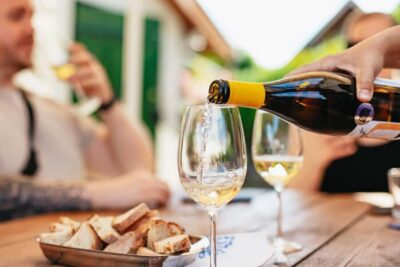
I like the nine-wine format, which gives you a proper look at Hungary rather than one famous bottle. I also like the thoughtful food matchups: five meat pairings, four cheeses, plus nuts, dried fruit, and honey. The main consideration is simple: at $65 per person, this is not a quick drink at a wine bar, and two hours can feel short if you want a slow, highly personal tasting.
In This Review
- Key points before you book
- What this Budapest wine tasting is really like
- Four white wines show Hungary beyond sweet Tokaj
- Four reds bring Villány and Kadarka into focus
- The dessert wine gives the tasting a clear finish
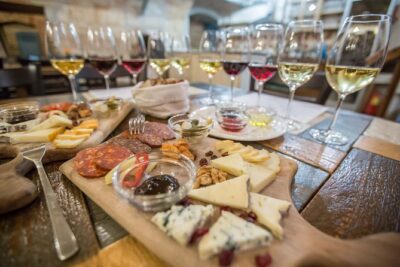
- Charcuterie and cheese make the wine easier to understand
- The guide turns a sample flight into a lesson
- Is $65 a fair price?
- Timing, meeting point, and practical planning
- Who will enjoy this most?
- Should you book this Hungarian wine tasting?
- FAQ
- How long does the Budapest Hungarian wine tasting last?
- How many wines are included?
- What food is served with the wine?
- Where do I check in?
- Is the tasting conducted in English?
- Can children attend?
- Can I cancel for a refund?
Key points before you book
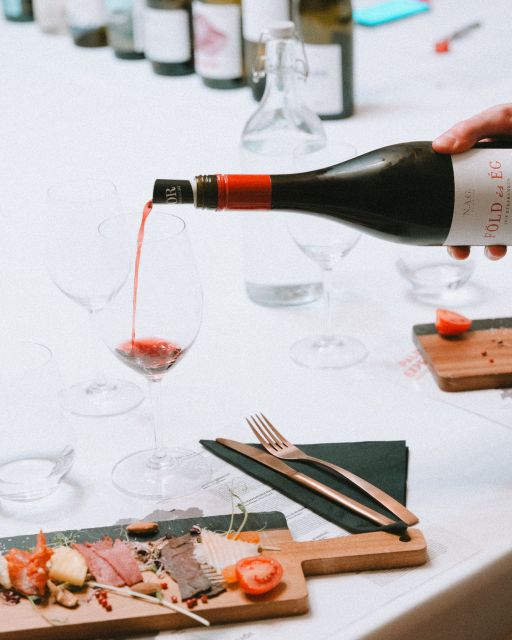
- Nine wines in two hours: You taste four whites, four reds, and one dessert wine, so the evening has a clear range.
- Tokaj meets Villány: The selection includes Hungary’s celebrated Tokaj wines and robust Kadarka wines from Villány.
- Food is part of the lesson: Five meat pairings, four cheeses, nuts, dried fruit, and honey help show how Hungarian flavors work with wine.
- Check-in starts at the Pálinka Museum Budapest: The listed meeting point is with staff at the museum, and the activity finishes back there.
- English live guide: A specialist explains the wines, winemaking methods, regional character, and stories behind the bottles.
- Adults only: The tasting is not suitable for children under 18 or for pregnant women.
What this Budapest wine tasting is really like
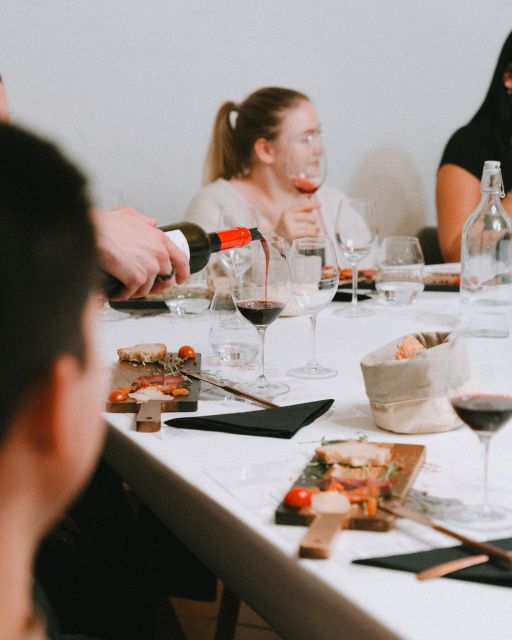
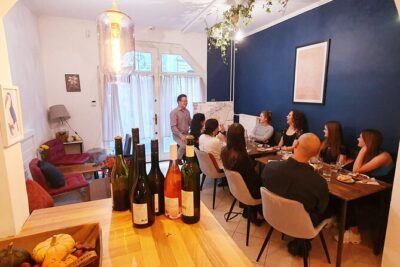
This is a seated food-and-wine experience rather than a vineyard visit. You will not be driven out into the countryside or shown a working winery. Instead, you get a focused introduction to Hungary’s wine culture in central Budapest, with the advantage of a warm room, a set schedule, and no need to plan several separate tastings.
You begin by checking in with staff at the Pálinka Museum Budapest. That detail matters, so do not head straight to the Gastro Cellar without checking your booking information. The activity is connected with the Gastro Cellar and its showroom, but the stated starting point is the museum.
From there, the tasting centers on the wines and the food. The guide gives a live speech about the bottles, regional traditions, production methods, and the people and stories connected with them. I like this format because Hungarian wine names and grapes can be unfamiliar at first. A little explanation turns the tasting from a line of samples into a useful introduction.
The program lasts two hours. That is enough time for nine small pours and their pairings, but it is not a leisurely dinner. You should arrive ready to listen, taste, and compare. If you expect a full meal with large servings, this may feel light. If you want an organized introduction before exploring Budapest’s wine bars on your own, the length works well.
More Hungarian wine tastings:
- Budapest: Premium Sightseeing Cruise with Tokaj Frizzante
★ 4.7 · 2,510 reviews - From Budapest: Etyek Wine Tasting Tour with 3-Course Meal
★ 4.8 · 557 reviews - Hungarian Wine Tasting (with Cheese and Charcuterie) in Budapest
★ 5.0 · 531 reviews
Four white wines show Hungary beyond sweet Tokaj
Hungary is often introduced abroad through Tokaj’s famous sweet wines. Tokaj deserves that attention, but the white wine portion of this tasting should help broaden your view. Four white wines are included, giving you room to compare styles rather than treating Hungarian white wine as a single category.
The exact labels and grape varieties are not specified, so you should not book this expecting a fixed list of named bottles. The selection can vary. What is promised is a broad look at Hungarian whites, with Tokaj included among the regions or styles presented.
That variety is useful for a first-time drinker. You can pay attention to how acidity, sweetness, body, and aroma change from one glass to the next. The food pairings also give you a practical way to judge the wines. A cheese may make a dry white seem rounder, while honey or dried fruit can point you toward the relationship between sweetness and dessert wine.
The guide’s explanation is especially valuable here. Without context, a short pour can seem like just another sample. With regional background and serving advice, you begin to understand why a wine tastes the way it does and what Hungarian producers are trying to express.
Four reds bring Villány and Kadarka into focus
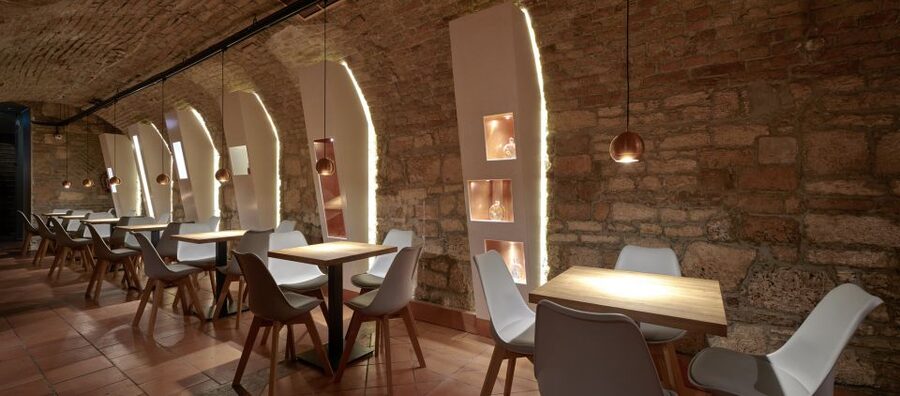
The red wine section shifts the mood. You taste four reds, including the robust Kadarkas associated with Villány. Kadarka is one of the names to listen for during the introduction, since it gives the tasting a distinctly Hungarian angle instead of presenting only familiar international grapes.
Villány is one of Hungary’s best-known red wine areas, and its mention adds useful geographic contrast to Tokaj. Tokaj and Villány do not represent the same wine identity, so placing them in one evening helps you see that Hungarian wine is not one narrow style.
Again, the exact bottles are not listed. That means I would treat this as a regional sampler, not a chance to track down a particular vintage. Your guide can provide the most helpful details during the tasting, including the techniques used, the local setting, and the story behind each wine.
The meat pairings should be particularly useful with the reds. Five meat selections are included across the experience, along with cured flavors that can show how salt, fat, smoke, and spice affect a wine. The food is not just decoration on the table. It gives your palate a second reference point.
The dessert wine gives the tasting a clear finish
One dessert wine completes the nine-glass lineup. Tokaj is the name most closely linked with Hungarian sweet wine, though the exact dessert bottle is not specified. Listen carefully when the guide explains its background and pairing, since sweet wine often makes the most sense with food rather than by itself.
The accompanying honey, dried fruit, and perhaps a suitable cheese help create a natural closing course. These flavors can make a sweet wine feel balanced instead of simply sugary. The contrast with the earlier dry whites and reds also gives the evening a tidy arc.
One dessert wine may sound modest compared with the four whites and four reds, but that is enough for a clear introduction. You can sample the style, learn where it fits in a meal, and decide if you want to seek out more Hungarian sweet wines during your trip.
More food and drink tours in Budapest:
- Budapest: Unlimited Prosecco, Beer and Aperol Spritz Cruise
★ 4.8 · 25,310 reviews - Budapest: Unlimited Prosecco, Beer & Aperol Spritz Cruise
★ 4.5 · 3,371 reviews - Budapest: Wine, Cheese, and Charcuterie Tasting
★ 4.9 · 647 reviews - Budapest: Guided Foodie Walking Tour with Food and Drinks
★ 4.9 · 453 reviews
Charcuterie and cheese make the wine easier to understand
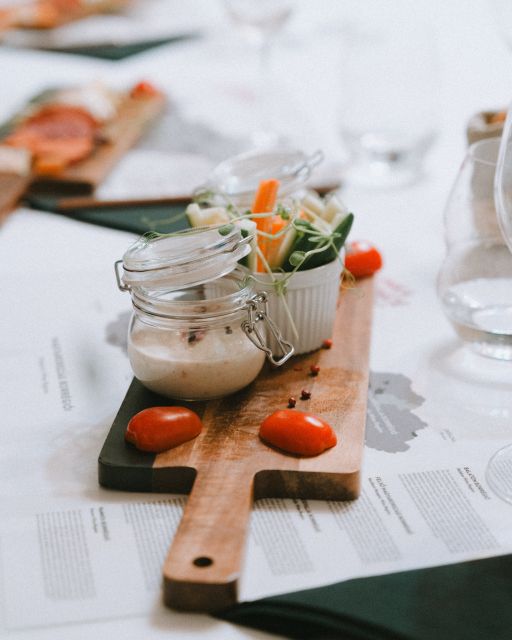
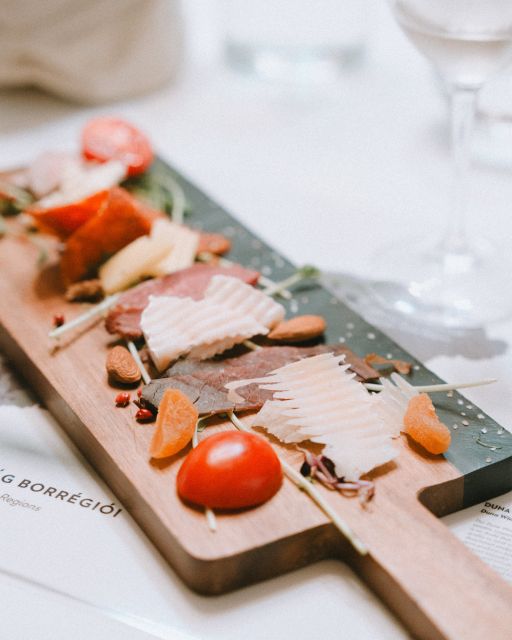
The food board includes nine pairings in total: five meat selections and four cheeses, with nuts, dried fruit, and honey also included. The available information does not name the individual meats or cheeses, so you should expect a selection of Hungarian flavors rather than a guaranteed list of specific products.
That uncertainty is not a major problem for me. A tasting board works best when the food is chosen to suit the wines served that day. The guide can point out which pairing works with each pour, and you can compare the effect yourself.
The meat and cheese also help prevent the tasting from feeling like nine isolated drinks. Wine can taste sharper, softer, sweeter, or more powerful depending on what you eat with it. You will notice those changes more clearly when the pairing arrives at the same time as the glass.
Do not treat the board as a substitute for a large Budapest dinner. It is designed to accompany a tasting, not to fill the role of a restaurant meal. If you are hungry before the event, have a light meal first. If you are planning dinner afterward, two hours leaves room for it.
The guide turns a sample flight into a lesson
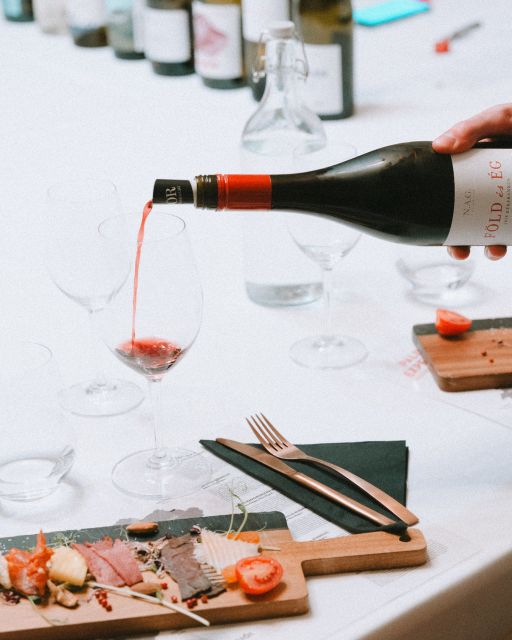
The guide is a central part of the experience. The live presentation covers wine history, production techniques, regional character, and stories behind the bottles. The language is English, which makes this a practical choice for visitors who want more than a silent pour and a printed label.
I value this kind of explanation because Hungarian wine labels can be difficult to read at first. A specialist can tell you what to notice, how a wine relates to its region, and why a particular food was placed beside it. You also have a chance to ask questions during the session, though the exact format and group size are not provided.
The strongest part of a tasting guide is not a string of technical terms. It is the connection between place, grape, method, and flavor. Listen for those links. Why does one wine come from Tokaj? What makes a Villány red different? How does Kadarka fit into the local tradition? Those answers will help you remember the wines after the tasting ends.
Because only an English-speaking guide is listed, this experience is best for visitors comfortable following spoken English for two hours. No other guide language is provided.
Is $65 a fair price?

The price is $65 per person. That includes nine Hungarian wines, nine food pairings, entry to the venue and showroom, and the guide. It also includes the convenience of having the tasting sequence and pairings planned for you.
For a central Budapest experience, the value depends on what you want. If you bought nine separate glasses, a comparable amount could become expensive quickly, and you would not necessarily receive the same regional explanation or food matches. The guide and the range of wines make the price easier to justify.
The cost is less attractive if you mainly want one glass of Tokaj or a casual plate of cheese. You are paying for structure, comparison, presentation, and access to a broad sample in one sitting. You are also paying for a short cultural lesson, not only alcohol and snacks.
The format works best for someone who wants to learn. I would book it near the beginning of a Budapest visit, then use what you learn to choose bottles or wine bars later. If you already know Hungarian wine well, the selection may feel introductory unless you simply want a relaxed tasting with food.
Timing, meeting point, and practical planning
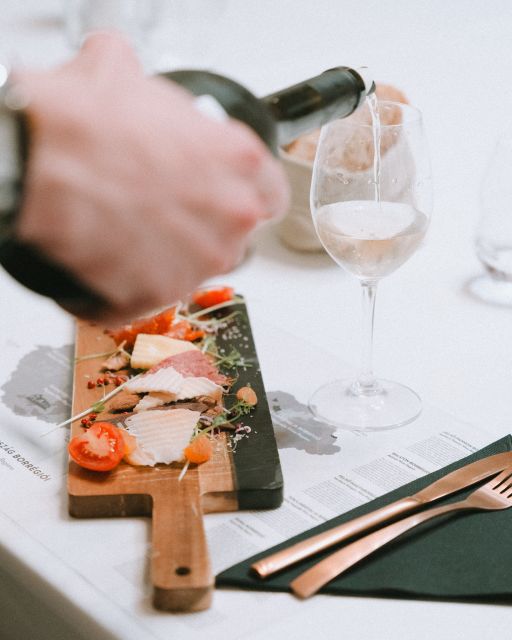
The tasting takes two hours, with starting times available according to the booking calendar. Since the exact start time is not fixed here, check it before arranging dinner, a concert, or another evening activity.
Your listed start point is the Pálinka Museum Budapest, where you check in with staff. The activity ends back at the meeting point. Follow the instructions provided at booking, especially because the Gastro Cellar is the tasting venue while the museum is the stated check-in location.
Cancellation is flexible if your plans are uncertain. You can cancel up to 24 hours before the activity for a full refund, and the reserve-now, pay-later option lets you hold a place without paying immediately. These policies are useful in Budapest, where weather, transport, and last-minute plans can change.
The experience is not suitable for anyone under 18 or for pregnant women. It is an alcohol tasting, so those restrictions are part of the basic planning rather than a minor footnote.
Who will enjoy this most?
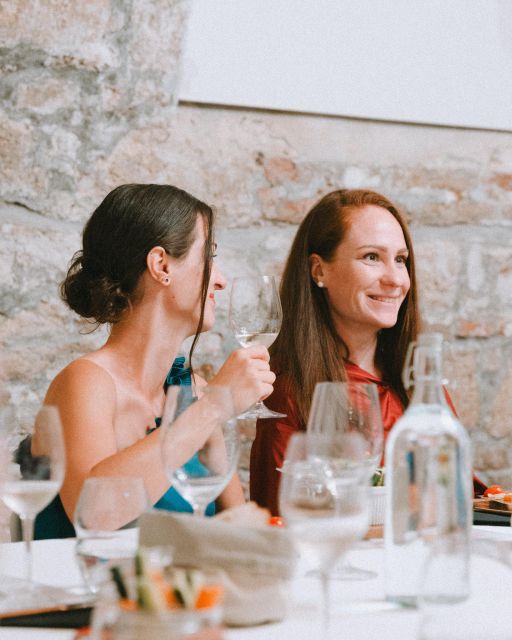
I would recommend this tasting to you if you enjoy trying regional foods, want an introduction to Hungarian wine, or prefer a planned activity over choosing bottles at random. It also suits couples and small groups looking for a calm evening with some conversation and instruction.
It is a good pick for wine beginners because the four-white, four-red, and one-dessert structure gives you a broad base. You can compare styles without needing to know Hungarian grapes in advance.
Food-minded visitors should also find plenty to like. The meat, cheese, nuts, dried fruit, and honey provide enough variety to show how wine changes with a bite of food. The pairings add substance and make the event feel more complete than a basic flight.
I would think twice if you dislike guided presentations, cannot drink alcohol, or want a full dinner. I would also choose a different activity if your main goal is to visit vineyards and meet producers in the countryside. This is a city tasting with regional content, not a winery tour.
Should you book this Hungarian wine tasting?
Book it if you want a well-organized two-hour introduction to Hungary’s wine regions, with enough samples to compare dry whites, reds, and dessert wine. The combination of Tokaj, Villány, Kadarka, local meats, cheeses, and a live English guide gives you real value at $65, especially if you are new to Hungarian wine.
Skip it if you want a long dinner, a countryside setting, or a specific named vintage. The exact wine list is not provided, and the tasting moves at a set pace.
For most visitors, I see this as a smart early-trip activity. You get a practical sense of Hungarian wine, enjoy a board of local-style pairings, and leave with better questions for the rest of your time in Budapest.
FAQ
How long does the Budapest Hungarian wine tasting last?
The experience lasts two hours.
How many wines are included?
You taste nine Hungarian wines: four white wines, four red wines, and one dessert wine.
What food is served with the wine?
The tasting includes nine food pairings made up of five meat selections and four cheeses, along with nuts, dried fruit, and honey.
Where do I check in?
You check in with staff at the Pálinka Museum Budapest. The activity ends back at the meeting point.
Is the tasting conducted in English?
Yes. The experience includes a live English-speaking guide.
Can children attend?
No. The tasting is not suitable for children under 18.
Can I cancel for a refund?
Yes. You can cancel up to 24 hours in advance for a full refund. You can also reserve now and pay later.
Just added in Budapest
- Budapest: Private Walking Tour with a Local Guide★ 3.6 · 6 reviews
- Budapest: Danube River Views Bike Ride★ 4.8 · 23 reviews
- Budapest: City Bike Tour with Coffee Stop★ 5.0 · 37 reviews
- From Budapest: Guided Tour of Eger with Wine Tasting★ 4.5 · 6 reviews
- Walk to recent and aged spiritual sanctuaries near Budapest★ 5.0 · 5 reviews
- Walking consultancy with alternative psychologist and author★ 5.0 · 2 reviews
- Budapest: Guided Tour of the Parliament Building in Spanish★ 4.6 · 1,240 reviews
- Budapest: 3-Hour Trabant Sightseeing Tour★ 4.7 · 28 reviews
Hungarian Wine Tastings, compared.
Hungarian Wine Tasting (with Cheese and Charcuterie) in Budapest
Read our review →
Budapest River Cruise with 1 Free Tokaj Frizzante and Audio Guide
Read our review →

Budapest Paddle Steamer Danube Cruise with Tokaj & Audio Guide
Read our review →
8-Tier Hungarian Wine Tasting in a Cozy Downtown Wine Bar
Read our review →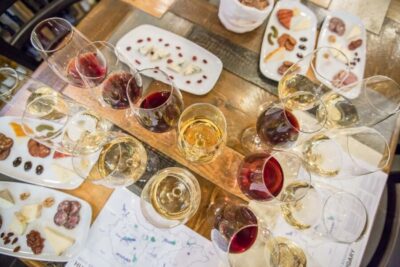
Browse the lists this tour appears in