
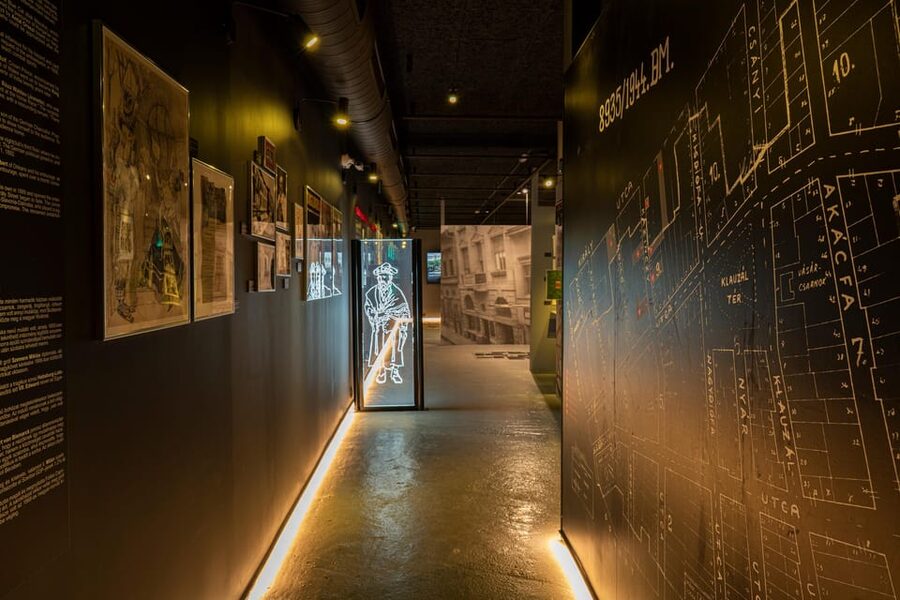
REVIEW · MUSEUMS
Budapest: Mika Tivadar Secret Museum Entry Ticket
History hides behind this unassuming street corner. The Mika Tivadar Secret Museum turns a 140-square-meter space into a quick, unusual tour through Budapest from the late 19th century to the years between the two world wars. I like its intimate size and the way it connects one building to nearby Kazinczy Street landmarks. I also like the free audio material in eight languages, which lets you explore at your own pace.
The setting has real charm: this is part of a local heritage hotel, with a cocktail bar and restaurant on site. The main drawback is that no guide accompanies you, so you need a charged smartphone, free Wi-Fi, and a little patience with QR codes and self-guided audio.
In This Review
- Key details before you go
- Why this small museum is worth your time
- Entering the former hotel and its neighborhood story
- The famous names connected to these rooms
- From copper shop to cocktail bar
- Budapest’s steam bath, brothel, and party district
- Wartime Budapest and the Budapest Ghetto
- Unexpected links beyond Hungary
- Using the audio guide on your own phone
- How long the visit takes
- Is the $5 ticket good value?
- Who will enjoy the Mika Tivadar Secret Museum?
- Practical tips for a better visit
- Should you book the Mika Tivadar Secret Museum?
- FAQ
- How long does the Mika Tivadar Secret Museum visit take?
- Is a museum guide included?
- How does the audio guide work?
- What is included in the ticket?
- Is the museum suitable for wheelchair users?
- Can I cancel the booking?
Key details before you go
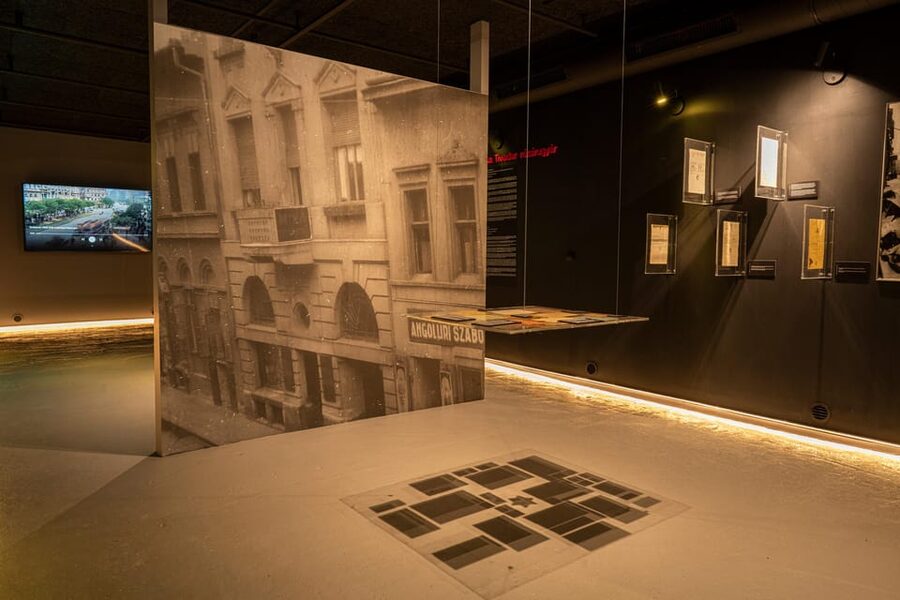
- A first Hungarian hotel museum: The museum tells the story of its own building while reaching into the surrounding neighborhood.
- A compact 140-square-meter visit: You can cover the main material in about 30 minutes, though you may spend longer with the audio and displays.
- Eight-language audio access: Scan the QR code and listen on your own phone, with voiceovers and sound effects helping set the period mood.
- A cocktail bar inside the experience: You can have a drink while looking through the museum area, an unusual combination in Budapest.
- Kazinczy Street in miniature: The displays cover hotels, cinemas, steam baths, cabaret, wartime changes, and the Budapest Ghetto.
- A low-cost cultural stop: At about $5 per person, it is easy to add to a day in District 7, especially if you already plan to visit the nearby party district.
Why this small museum is worth your time
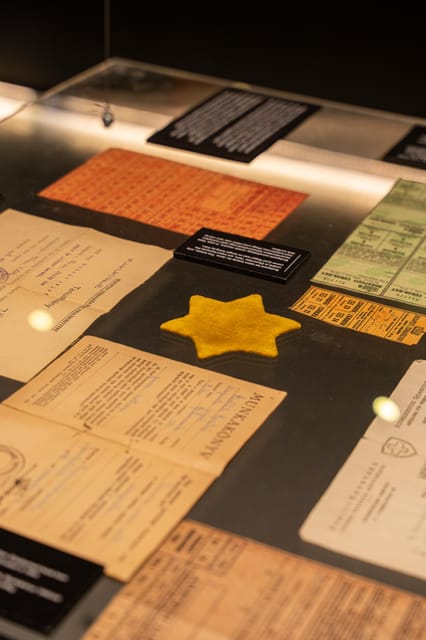
Budapest has grand museums filled with famous paintings, royal treasures, and long corridors. Mika Tivadar offers something different. It gives you a close look at one address and the streets around it, using the building as a doorway into city life.
That narrow focus is the reason I find the museum appealing. You are not trying to absorb the full story of Hungary in one afternoon. Instead, you follow a chain of local connections. A hotel leads to famous political figures. A former copper shop leads to wartime Budapest. A nearby entertainment venue leads to cabaret, cinema, and the city’s old red-light district.
The museum covers the period from the late 19th century through the years between the world wars, with additional attention to World War II and the Budapest Ghetto. Those subjects give the visit weight, but the presentation is not only about dates and political events. It also looks at the people who lived, worked, visited, and passed through this part of town.
I especially appreciate the effort to include the many ethnic communities that lived in Hungary. The stories are framed as part of a wider European setting, so you get more than a narrow national account. The material also points to the connections between Hungarian events and the larger struggles of Europe’s great powers.
More museums in Budapest:
- Budapest: Cat Museum Budapest Entry Ticket
★ 4.4 · 2,210 reviews - Budapest: Light Art Museum – Immersive New Media Experience
★ 3.9 · 1,269 reviews - Budapest: Budapest Retro Interactive Museum Ticket
★ 4.4 · 373 reviews
Entering the former hotel and its neighborhood story
You begin at the Hotel Mika Downtown reception. Staff greet you, provide a printed museum flyer, and explain briefly what you can find inside. This is not a formal guided tour, so do not arrive expecting a person to lead you from room to room.
The building itself is the main character. As the first Hungarian hotel museum, it presents its own past while also showing how neighboring properties changed over time. The museum’s idea is simple but effective: one house can reveal a great deal about the street around it.
The displays use antique objects, photographs, written panels, authentic installations, voiceovers, and sound effects. The background music matters more than you might expect. It creates a period mood while you read, helping the small rooms feel less like a standard information display and more like a preserved slice of old Budapest.
You can move at your own pace. The short format works well if you want a concentrated cultural stop between meals, shopping, or a walk around District 7. It also makes this a useful option for an afternoon when you do not want to commit to a large museum.
The famous names connected to these rooms
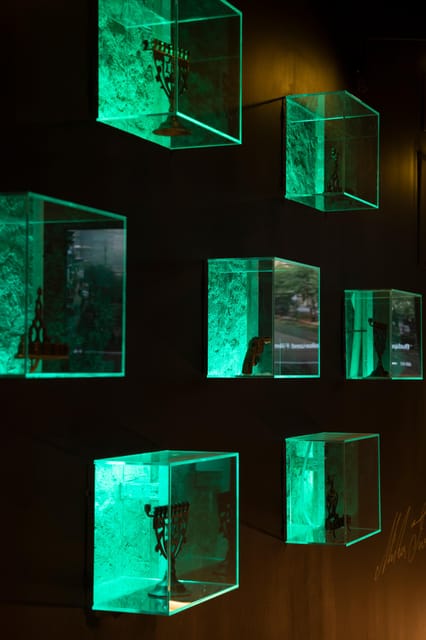
The museum brings out the social importance of the building by recalling high-profile figures who once walked through these halls. King Edward VII of the United Kingdom, German statesman Otto von Bismarck, and Milan I of Serbia are among the names linked with the property.
These connections help you picture the hotel as part of an international Budapest. The city was not an isolated provincial stop. It sat within a complicated European network of politics, culture, travel, and commerce.
The displays also tell you about Europe’s famous Blue Cat cabaret, which once operated here. That detail changes the mood of the visit. The building was not simply a place where people slept. It was tied to nightlife and entertainment, with the sort of theatrical activity that made this part of town a destination after dark.
Hungary’s first cinema also opened on this spot. The museum links that early film story to Michael Curtiz, the Oscar-winning director of Casablanca, who began his film career here. For film fans, this is one of the more memorable details in the visit. You can stand in a small museum space and connect it to the early days of Budapest cinema.
From copper shop to cocktail bar
One of the museum’s more surprising features is the present-day bar and restaurant. The site once served as a copper shop during World War II, and today it offers a cocktail bar and food service.
That contrast gives the place much of its character. You can look at the past without being sealed off from modern Budapest. A drink in hand may feel slightly odd in a museum setting, but here it fits the building’s long connection with social life, business, and entertainment.
The bar is also practical. If your companion is less interested in museum displays, the restaurant gives them somewhere to sit while you spend more time with the exhibits. If you are already walking around District 7, you can combine a quick cultural visit with a cocktail or brunch.
Do keep the scale in mind. This is not a full restaurant tour or a food-focused activity. The meal and drinks are available on site, but the ticket covers the museum entry, not every purchase at the bar. The attraction works best when the bar adds to your visit rather than becoming the sole reason for coming.
More things to do in Budapest:
- Budapest: City Highlights Cruise with Welcome Drink
★ 4.6 · 35,610 reviews - Budapest: Unlimited Prosecco, Beer and Aperol Spritz Cruise
★ 4.8 · 25,310 reviews - Budapest: Széchenyi Spa Day Ticket with Optional Upgrades
★ 4.3 · 23,911 reviews - Budapest: Nighttime or Daytime Sightseeing Cruise
★ 4.2 · 21,062 reviews
Budapest’s steam bath, brothel, and party district
The museum does not shy away from the less polished parts of urban history. It explains the former Budapest party district through subjects that include the city’s brothel scene, a topic that helps you understand how this neighborhood functioned at different times.
The reference to Europe’s most famous brothel is not presented as a simple curiosity. It forms part of the story of entertainment, visitors, class, and the changing use of city buildings. One of the displays focuses on the Budapest brothel scene, which some visitors may find more revealing than the better-known tourist stories about palaces and churches.
You also learn about Hungary’s first steam bath, which once stood directly in front of the museum. That site later became a hotel. This is exactly the sort of small urban change that can be easy to miss while walking Kazinczy Street. The museum gives you the background, then sends you back outside with a sharper eye for the buildings around you.
The neighborhood is now known for nightlife, but its identity did not begin with bars and clubs. The museum shows how entertainment, lodging, bathing, trade, and cinema all shaped the district at different points. That makes it a useful companion to a walk through the area.
Wartime Budapest and the Budapest Ghetto
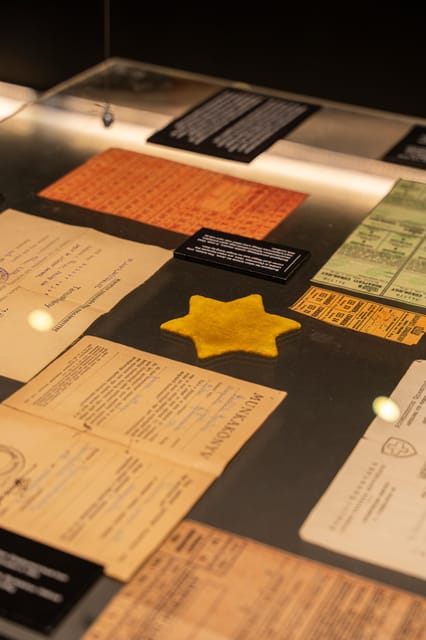
The museum also shows how the property looked during World War II and introduces the history of the Budapest Ghetto. This part adds a serious layer to what might otherwise seem like a light museum about old hotels and nightlife.
The displays place local events within the wider European conflict while keeping the focus on the building and its surroundings. That approach helps you understand how major political forces affect ordinary streets. The same address can serve as a hotel, a shop, an entertainment venue, and a witness to persecution and war.
You should allow yourself time to pause here. The museum is small, but its subject matter is not. A 30-minute visit can feel short if you read every panel and listen to each audio chapter. The compact layout gives you a lot of information in a limited space, so this is not an attraction to rush through simply because the ticket is inexpensive.
Unexpected links beyond Hungary
The museum includes several unusual international connections. One story explains how veterans of the 1848 to 1849 Hungarian Revolution later played a role in the Mexican Civil War. That link takes you far beyond Kazinczy Street and shows how Hungarian political struggles affected people who later carried their experience abroad.
Another display explores a surprising connection between Sylvester Stallone, Arnold Schwarzenegger, and a tiny house on Kazinczy Street. The detail sounds almost too strange to be useful, but it gives the visit a touch of humor and makes the local story easier to remember.
These side routes are part of the museum’s appeal. You are not moving through a single straight narrative. Instead, you find a series of stories that connect Budapest to entertainment, politics, migration, war, and international culture.
I would not recommend trying to memorize every name. Take the museum as a collection of clues. The most rewarding result is leaving with a better sense of how many layers can exist behind one old building.
Using the audio guide on your own phone
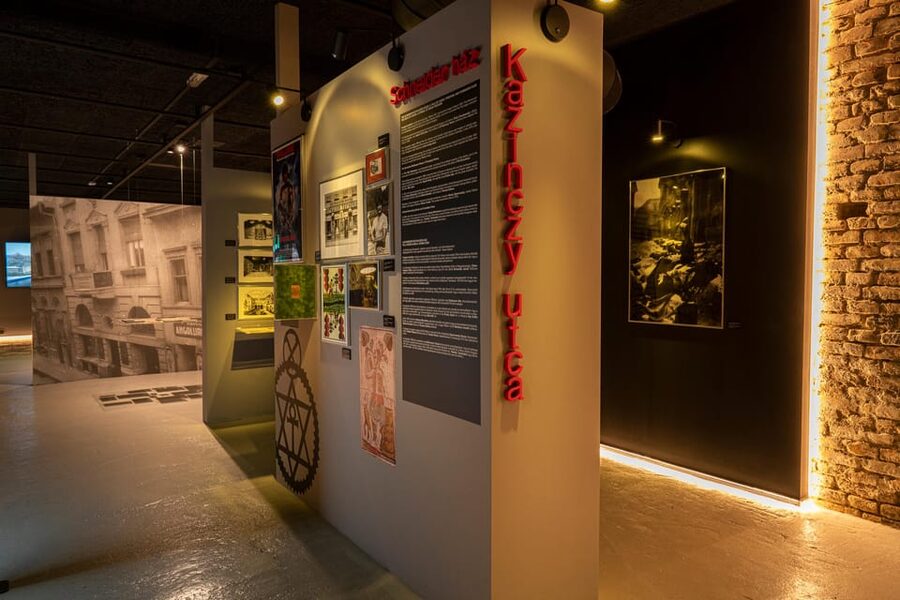
The audio guide is included, but there is no separate museum guide or tour leader. You scan a QR code and listen on your own mobile device. Free Wi-Fi is available, which helps if your phone connection is limited, but you still need to arrive with a charged smartphone.
The audio is offered in eight languages. That is a major benefit for international visitors because the written material and historical names can be dense in places. Voiceovers and sound effects also support the atmosphere, giving the museum a more active feel than a room of silent panels.
The self-guided system gives you control. You can pause, replay, or skip sections. You can also spend extra time with a photograph or object that catches your interest instead of keeping pace with a group.
The tradeoff is that technology becomes part of the visit. If your battery is low, your phone is difficult to use, or you dislike scanning codes, the experience may feel less comfortable. Bring your own headphones if you prefer not to hold your phone up while listening, though headphones are not specifically listed as required.
How long the visit takes
The stated duration is 30 minutes, and that is a reasonable target if you follow the main exhibits without stopping for every audio segment. The museum does not have the scale of a major Budapest institution, so you will not need half a day.
Some visitors spend closer to an hour and remain longer if they want to hear all the audio. The flexible format allows that, according to the experience details provided at the venue. I would plan 30 to 60 minutes, then add time if you want a drink or meal at the cocktail bar and restaurant.
This makes the museum especially easy to fit into a District 7 itinerary. You could visit before exploring the neighborhood, use it as a break during a day of sightseeing, or stop in before an evening meal.
Is the $5 ticket good value?
At about $5 per person, the ticket is inexpensive by Budapest attraction standards. The value comes from the combination of a focused museum, audio access in eight languages, the printed flyer, and the unusual hotel setting.
You should not judge the price by comparing the museum with a large national collection. It is not trying to provide hundreds of rooms or a complete account of Hungarian history. Its strength is the amount of material packed into 140 square meters and the number of local connections it makes.
I think the ticket is particularly good value if you enjoy city stories, historic buildings, cinema, nightlife history, or small specialty museums. It is also a safe choice for a rainy half-hour because the visit is short and easy to combine with the on-site bar.
The value is weaker if you want a live guide, a large collection of objects, or a highly interactive attraction. You are paying for access to a compact self-guided experience, not a full walking tour of Kazinczy Street.
Free cancellation up to 24 hours before the visit and a reserve-now, pay-later option make the booking flexible. The activity also includes skip-the-line entry, though the small size of the museum means the main convenience is having your admission arranged in advance.
Who will enjoy the Mika Tivadar Secret Museum?
I would recommend this museum to you if you like:
- Small, specialized museums with a strong local focus
- The story of Budapest’s District 7 and former party district
- Hotel, cinema, cabaret, and nightlife history
- Short activities that fit between larger sights
- Self-guided audio on your own phone
- Unusual links between Hungary and international events
- Places where you can combine culture with a cocktail or meal
Families may appreciate the short duration, though the serious wartime and brothel-related subjects are worth considering before bringing young children. Film fans should pay close attention to the Michael Curtiz connection.
This is not suitable for wheelchair users, according to the access information provided. If you need step-free access, confirm the details before booking rather than assuming a historic hotel building will be easy to navigate.
Practical tips for a better visit
Arrive with your smartphone fully charged. The phone is your audio guide, and the free Wi-Fi helps you access the material, but neither replaces a battery.
Set aside enough time to read. The museum is physically small, yet the subjects cover several decades and many different themes. If you rush, you may notice the photographs without understanding how the stories connect.
Keep the printed flyer. It gives you a simple outline of the displays and can help you remember names and places after you leave.
Plan your surroundings. Mika Tivadar is in central Budapest, close to Kazinczy Street and District 7 attractions. The museum makes more sense when you look at the nearby buildings afterward, especially the properties connected with hotels, entertainment, and the former steam bath.
If you want the fullest experience, allow up to an hour and consider ordering a cocktail or brunch at the on-site venue. If you only have a free 30-minute gap, the museum still works.
Should you book the Mika Tivadar Secret Museum?
I would book it if you want a low-cost, thoughtful stop with a strong sense of place. The museum’s best features are its compact format, unusual stories, eight-language audio, and connection to the building’s current cocktail bar and restaurant.
I would skip it if you need a live guide, wheelchair access, or a major museum with a large collection. The lack of a guide is not a flaw for everyone, but it does mean you must take charge of your own visit.
For about $5, this is an easy addition to a Budapest day. Give it 30 minutes at minimum, closer to an hour if you like reading and listening, then step outside and see Kazinczy Street with its past in mind.
FAQ
How long does the Mika Tivadar Secret Museum visit take?
The listed duration is 30 minutes. You may stay longer, with some visitors spending about an hour using the audio guide and reading the displays.
Is a museum guide included?
No. Staff greet you at the Hotel Mika Downtown reception, provide a printed flyer, and explain briefly what you can discover. The museum is self-guided.
How does the audio guide work?
You scan a QR code and listen on your own charged smartphone. Free Wi-Fi is available, and audio content is offered in eight languages with voiceovers and sound effects.
What is included in the ticket?
Entry to the 140-square-meter museum, audio content, access to the local heritage hotel setting, free Wi-Fi, and a printed flyer are included. The on-site bar and restaurant are available, but food and drinks are not stated as part of the entry ticket.
Is the museum suitable for wheelchair users?
No. The activity is listed as unsuitable for wheelchair users.
Can I cancel the booking?
Yes. You can cancel up to 24 hours in advance for a full refund. A reserve-now, pay-later option is also available.
Just added in Budapest
- Budapest: Private Walking Tour with a Local Guide★ 3.6 · 6 reviews
- Budapest: Danube River Views Bike Ride★ 4.8 · 23 reviews
- Budapest: City Bike Tour with Coffee Stop★ 5.0 · 37 reviews
- From Budapest: Guided Tour of Eger with Wine Tasting★ 4.5 · 6 reviews
- Walk to recent and aged spiritual sanctuaries near Budapest★ 5.0 · 5 reviews
- Walking consultancy with alternative psychologist and author★ 5.0 · 2 reviews
- Budapest: Guided Tour of the Parliament Building in Spanish★ 4.6 · 1,240 reviews
- Budapest: 3-Hour Trabant Sightseeing Tour★ 4.7 · 28 reviews
Museums, compared.
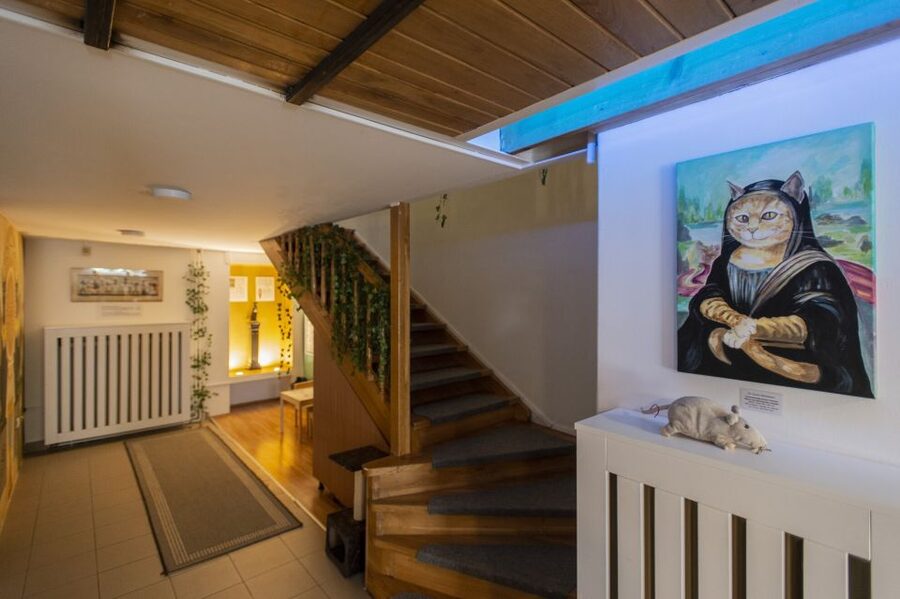
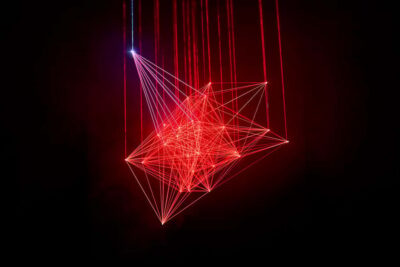
Light Art Museum – Immersive New Media Experience
Read our review →
Budapest Dohany Synagogue & Hungarian Jewish Museum & free extras
Read our review →
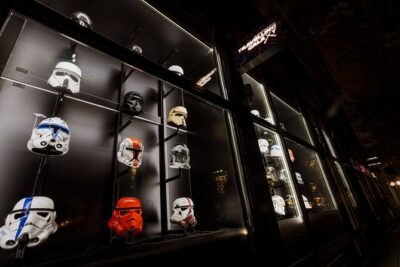
Travelling Galaxy Star Wars Interactive Exhibition
Read our review →
Skip the Line: Budapest Pinball Museum Admission Ticket
Read our review →Browse the lists this tour appears in