REVIEW · TOURS
Budapest: Virtual Reality Tour in 8 Languages
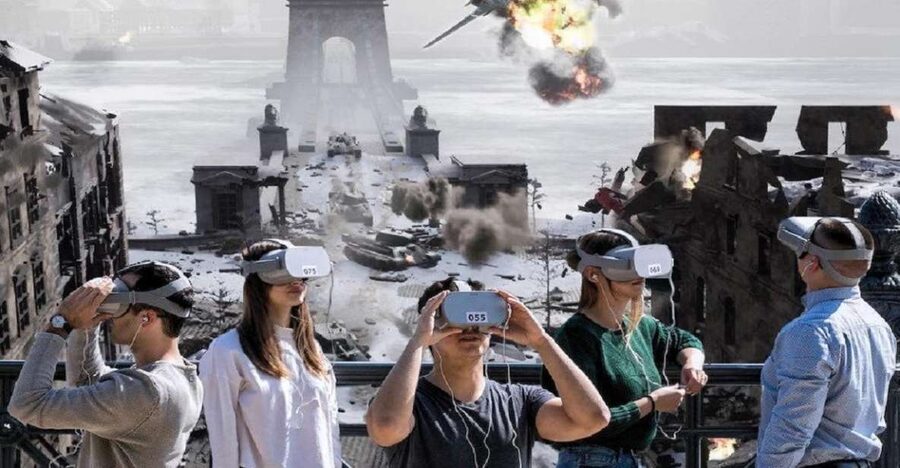
History gets a high-tech makeover here. This 1.5-hour walking tour combines Budapest’s Buda Castle District with six virtual reality stops, letting you see medieval construction, wartime destruction, and the 1956 Hungarian Revolution in the places where events unfolded. I like the clever mix of real streets and VR scenes, and I like that the audio guide works in eight languages. The main drawback is that the tour includes a light hike and is not suitable for people with mobility, heart, epilepsy, migraine, or height-related concerns.
You meet on the Buda side near Chain Bridge and Clark Ádám Square, then walk uphill through the Castle District with a live English or Hungarian guide. The experience costs $39 per person, which is fair if you want historical context with your sightseeing, but less appealing if you mainly want a relaxed walk or a conventional castle tour. Also, the details describe the activity as both 1.5 hours and roughly two hours, so check the exact time shown when you book.
In This Review
- Key points at a glance
- Starting beside Chain Bridge and Clark Ádám Square
- How the six VR stops change the castle district
- Medieval castle construction
- Battles that shaped Budapest
- The Royal Palace and Buda Castle
- World War II destruction
- The 1956 Hungarian Revolution
- A bird’s eye view over Budapest
- Why the VR equipment matters
- The walking conditions and what to bring
- Eight languages, but two kinds of guiding
- Is $39 a fair price?
- Who will enjoy this tour most?
- Booking and timing tips
- Should you book the Budapest VR Tour?
- FAQ
- Where does the Budapest Virtual Reality Tour begin?
- How early should I arrive?
- How long does the tour last?
- How many VR stops are included?
- Which languages are available?
- What historical periods does the tour cover?
- Is VR equipment included?
- Do I need to bring identification or a deposit?
- Is the tour suitable for people with mobility impairments?
- Can I cancel the tour for a refund?
Key points at a glance
- Six VR stops around Buda Castle: Each stop presents a different period or event, rather than keeping you in one indoor exhibit.
- Medieval, wartime, and modern history: You move from castle construction to World War II and the 1956 revolution.
- A bird’s eye city view: The VR technology adds a broad look over Budapest that is difficult to get from street level.
- Eight audio languages: Audio commentary is available in English, Chinese, German, Hungarian, Spanish, Russian, Italian, and French.
- A guided walk between scenes: The guide helps you find each location and provides live commentary in English or Hungarian.
- A light hike with equipment: Wear comfortable shoes, carry water in hot weather, and bring an ID, passport, or the required €200 headset deposit.
Starting beside Chain Bridge and Clark Ádám Square
Your meeting point is at Lánchíd u. 23, 1013 Budapest, on the Buda side of the Danube. Look for the VR Tour flags facing the street, and arrive 15 minutes before departure. That extra time matters because the guide needs to organize the equipment and get everyone ready before the walking begins.
This is a useful starting point for a Budapest sightseeing day. Chain Bridge is close by, and Clark Ádám Square gives you an immediate sense of how the river separates Buda from Pest. The tour then turns toward the Castle District, shifting from a busy riverfront setting to historic streets and palace grounds.
The guide leads the route between the six VR stops. You are not simply handed a headset and sent off on your own, which is important in an old hilltop district where the route includes walking and a light climb. Live guiding is offered in English and Hungarian, while the recorded audio can be selected in eight languages.
More things to do in Budapest:
- Budapest: City Highlights Cruise with Welcome Drink
★ 4.6 · 35,610 reviews - Budapest: Unlimited Prosecco, Beer and Aperol Spritz Cruise
★ 4.8 · 25,310 reviews - Budapest: Széchenyi Spa Day Ticket with Optional Upgrades
★ 4.3 · 23,911 reviews
How the six VR stops change the castle district
The best idea here is the contrast between what you see and what the headset shows you. You are physically standing in present-day Budapest, then the VR display sends you backward through time. The effect gives the surrounding buildings and open spaces a clearer purpose.
The exact six stop-by-stop scenes are not individually identified, so you should think of the route as a sequence of historical chapters rather than six named attractions. The supplied details do identify the major periods covered, and those periods give you a good sense of what the experience is designed to do.
Medieval castle construction
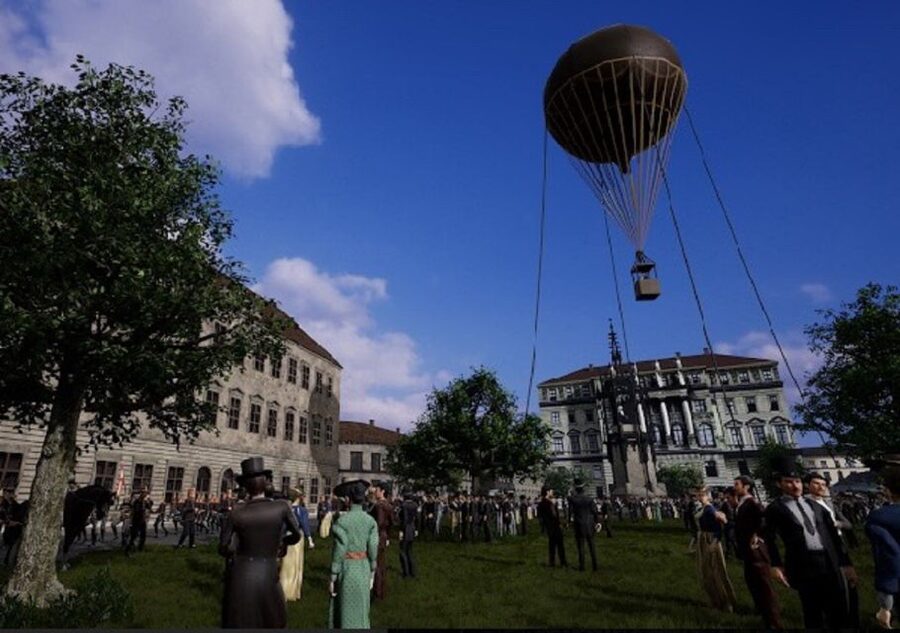
One of the early scenes takes you back to the Middle Ages, when the castle was being built. Instead of viewing the Royal Palace as a finished monument, you get a sense of the work and activity involved in creating the stronghold.
This is where VR is more useful than a standard information board. A plaque can give you dates and names, but a three-dimensional reconstruction can show how a site changed over time. You might find this especially helpful if you have trouble picturing earlier versions of buildings from ruins or later restorations.
The scene also gives the castle a human scale. You are not only looking at grand architecture. You are being shown a place under construction, shaped by labor, defense, and political power.
Battles that shaped Budapest
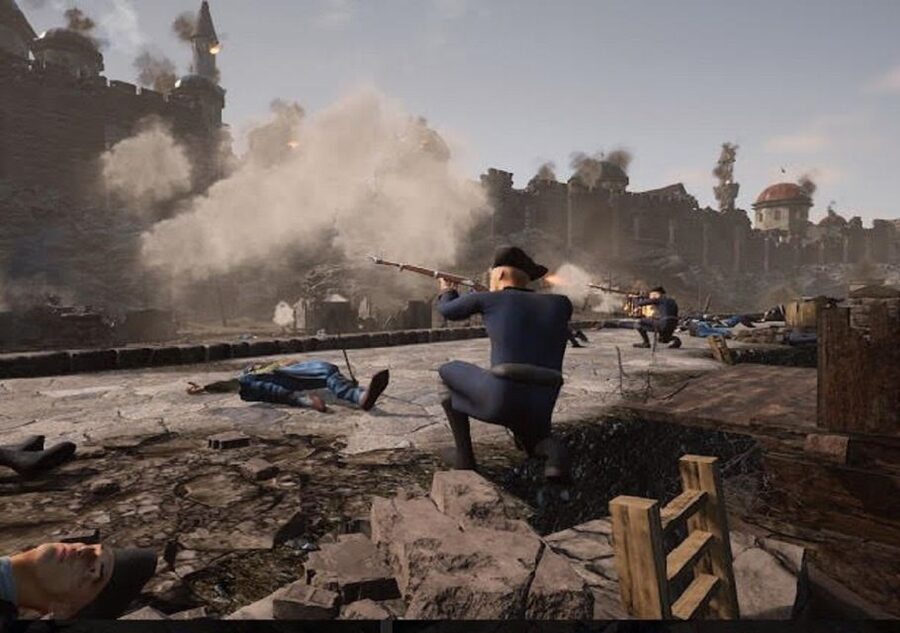
The tour also uses VR to show battles connected with Budapest. The technology places you close to the action, with the audio guide explaining what is happening and why the event matters in Hungarian history.
The positive side is emotional clarity. Battles can become a blur of dates during a normal city walk, but a visual reconstruction can help you understand movement, destruction, and the importance of a location. One review described the experience of feeling as if they were in the middle of the battlefields, which captures the intended effect.
The limitation is that VR can be intense. If you dislike simulated conflict, rapid visual scenes, or historical destruction, this section may feel less comfortable than a regular guided walk. The tour is not designed as a quiet architectural outing.
A completely different kind of day:
- Budapest: Nighttime or Daytime Sightseeing Cruise
★ 4.2 · 21,062 reviews - Budapest: 1-Hour Evening Sightseeing Cruise with Drink
★ 4.5 · 8,330 reviews - Budapest Danube Cruise and Dinner Options, Live Music and Dance
★ 4.5 · 7,428 reviews - Budapest: Historic Cruise with Welcome Drink
★ 4.7 · 6,512 reviews
The Royal Palace and Buda Castle
The Royal Palace is one of the main visual anchors of the route. You will see the present-day castle area, then use the headset to compare it with earlier moments. That time shift helps explain why the district looks the way it does now.
I like this approach because the castle is easy to admire without fully understanding. Its size and position are impressive, but the headset gives you a reason to pause and connect the building to the events around it. The live guide adds context as you move from one stop to the next.
The experience should not be confused with a full interior visit to the Royal Palace. The focus is the outdoor Castle District, historical scenes, and VR presentations. If you want museum rooms or a long palace tour, you would need another activity.
World War II destruction
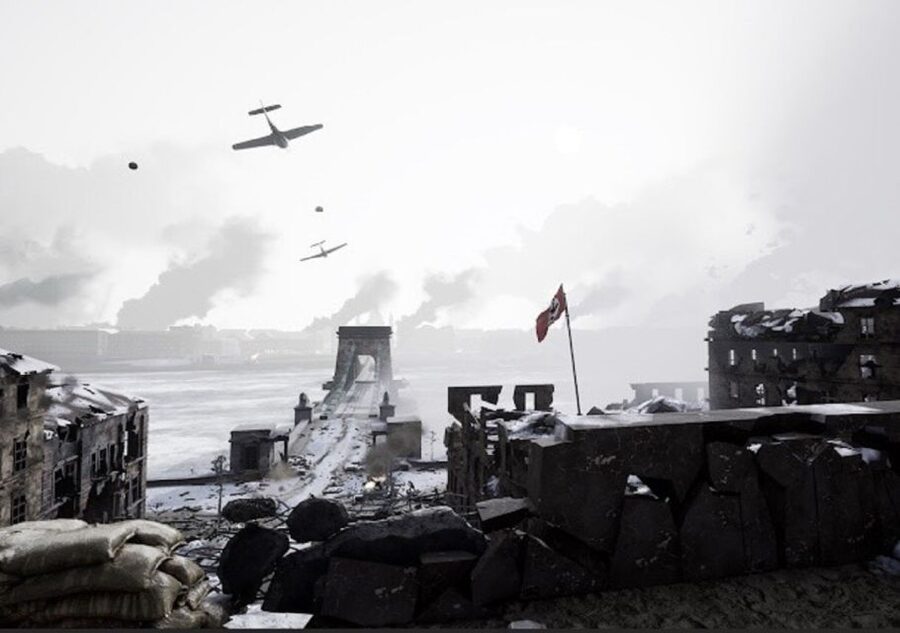
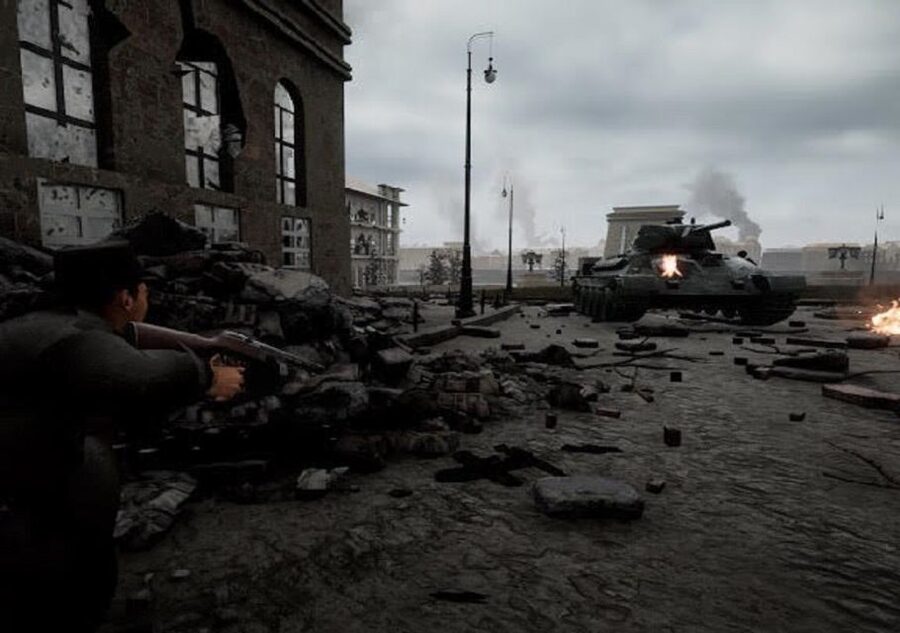
One of the more sobering sections covers World War II and the destruction that affected Budapest. The VR display shows the devastation, while the audio commentary explains the broader historical meaning.
This is a strong use of the format because the present-day district can hide the scale of what happened. Reconstructed scenes help you picture damage that is no longer visible in the same way from the street. The section also prevents the tour from presenting the castle only as a beautiful postcard setting.
You should expect a serious change in mood here. The tour is entertaining in its use of technology, but it does not treat every period as light amusement. The wartime material adds weight and makes the route more than a novelty ride.
The 1956 Hungarian Revolution
The tour then moves into the 20th century with the Hungarian Revolution of 1956. You watch the events unfold through VR and receive an audio explanation of their importance.
This is a valuable inclusion because it brings Budapest’s past closer to the modern age. A tour limited to kings, castles, and medieval battles can make the city feel frozen in time. The 1956 section shows that the district also connects to recent Hungarian political memory.
The guide’s role matters here. The headset can show a scene, but the live guide and audio commentary help explain the background. The available audio languages are English, Chinese, German, Hungarian, Spanish, Russian, Italian, and French, so you can follow the main narration in a language that suits you.
A bird’s eye view over Budapest
The final highlight is a bird’s eye view over the city. This gives you a different sense of Budapest from the street-level walk, especially after you have been moving through the compact Castle District.
The city view is a good reminder that Buda Castle is not an isolated sight. You can connect the hilltop district with the Danube, Chain Bridge, and the wider city. The VR viewpoint also adds something that a normal walk may not provide.
Still, the headset view is not a replacement for a real lookout. It is a technology-based perspective within the tour, not a promise of a long stop at a particular outdoor terrace. Think of it as one chapter in the experience.
Why the VR equipment matters
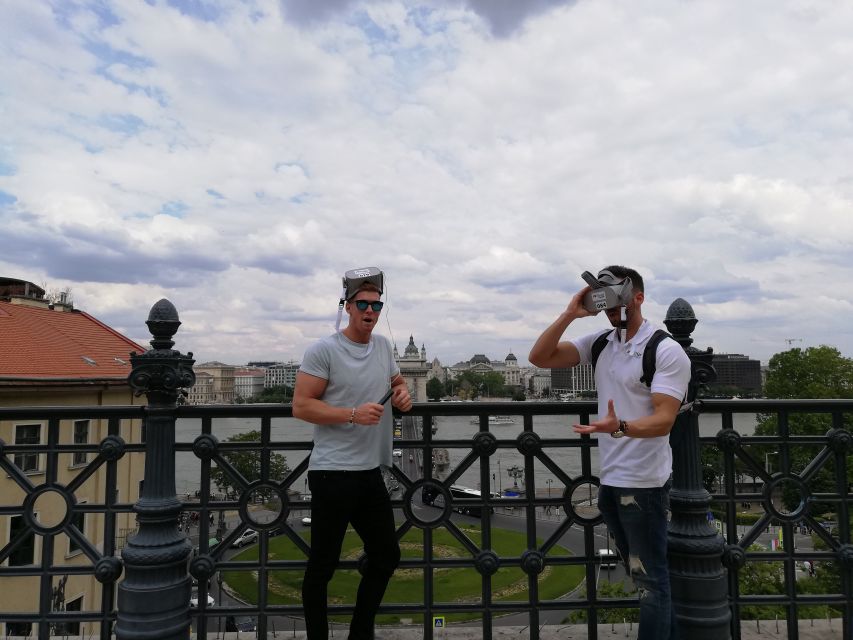
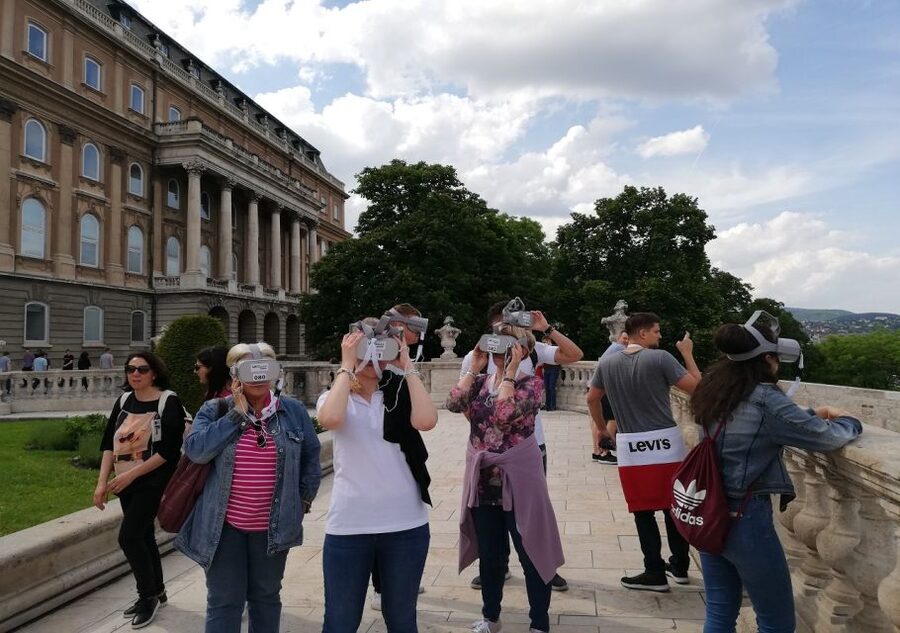
The headset is the core of the activity, not a small extra. The equipment is supplied, and a sterile headset is provided. A hygienic mask is available upon request, which is useful if you prefer an added layer of personal protection.
You need to bring your passport, ID card, or €200 as a deposit for the headset. This is an important practical point. Do not arrive assuming your phone or a booking confirmation alone will be enough.
The gear also affects the pace. You will put it on at several points, watch the presentation, remove it, and then continue walking. That stop-and-start rhythm may feel more engaging than a normal tour, but it is less fluid than simply following a guide through the streets.
The activity is not recommended for people who suffer from migraines, epilepsy, heart problems, or a fear of heights. The information also says it is not suitable for people with mobility impairments. These warnings are worth taking seriously because the experience combines visual stimulation, walking, and simulated viewpoints.
The walking conditions and what to bring
Comfortable shoes are essential. The Castle District includes a light hike, and you will be walking between the six VR locations rather than standing in one venue.
Bring something to drink during hot summer tours. The equipment, sun, and uphill movement can make the experience more tiring than the 1.5-hour length suggests. The tour information sometimes describes the activity as roughly two hours, so leave a little room in your schedule rather than booking something immediately afterward.
You finish back at the original meeting point. That makes the tour easy to fit into a day around Chain Bridge and Clark Ádám Square. It also means you do not need to arrange a separate return journey from an unfamiliar part of the city.
Eight languages, but two kinds of guiding
The live guide speaks English or Hungarian. This is useful for route directions, questions, and comments as you walk between stops.
The audio guide covers English, Chinese, German, Hungarian, Spanish, Russian, Italian, and French. If your preferred language is not English or Hungarian, you can still follow the historical scenes in your chosen audio language, but the live interaction with the guide will be more limited.
That distinction matters for families and mixed-language groups. One person may prefer live English guidance while another follows the headset audio in French or Spanish. Before booking, make sure the available audio language meets your needs, especially if you want to ask detailed questions throughout the walk.
Is $39 a fair price?
At $39 per person, this is priced above a basic city walk but below many large attraction packages. The value comes from combining a guide, outdoor sightseeing, six VR presentations, and historical narration in one short activity.
I would consider it good value if you enjoy technology and want a clear introduction to Budapest’s past. The tour gives you several historical periods in a compact format, and the Castle District provides the setting rather than a generic indoor room.
I would be more cautious if you already plan to visit several museums or prefer long, detailed conversations with a historian. The tour is designed for visual impact and a moving overview. It cannot provide the same depth as a specialist lecture or a full museum visit.
The 4.6 rating from 32 reviews supports the idea that the concept works well for many people. The most praised points are the quality of the VR, the fun way of learning, and the sense of being placed inside major historical events. One couple particularly enjoyed learning about Hungary in a fun format and found the guide helpful.
Who will enjoy this tour most?
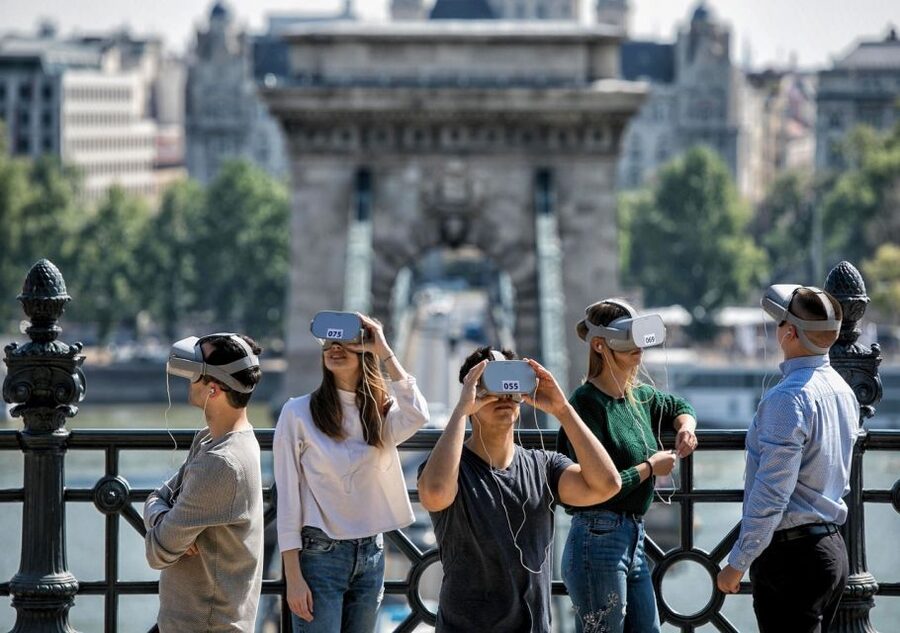
I would recommend it to first-time Budapest visitors who want more than photographs of the castle. It gives you a useful introduction to the district and helps you understand why the location matters.
It also suits families and groups with mixed levels of historical interest. The VR scenes add a visual hook for people who might lose interest during a standard date-filled walk, while the audio commentary supplies more context for those who want to follow the story.
It is a good choice for anyone who enjoys unusual sightseeing formats. The tour is not just a history lecture and not just a headset demonstration. It asks you to move through the actual district, then compare the modern view with earlier versions of the same place.
I would skip it if you want a slow, quiet walk, have a strong reaction to simulated battles, or are uncomfortable wearing VR equipment. The physical and visual demands are clear enough that you should choose another Castle District activity if any of the health restrictions apply to you.
Booking and timing tips
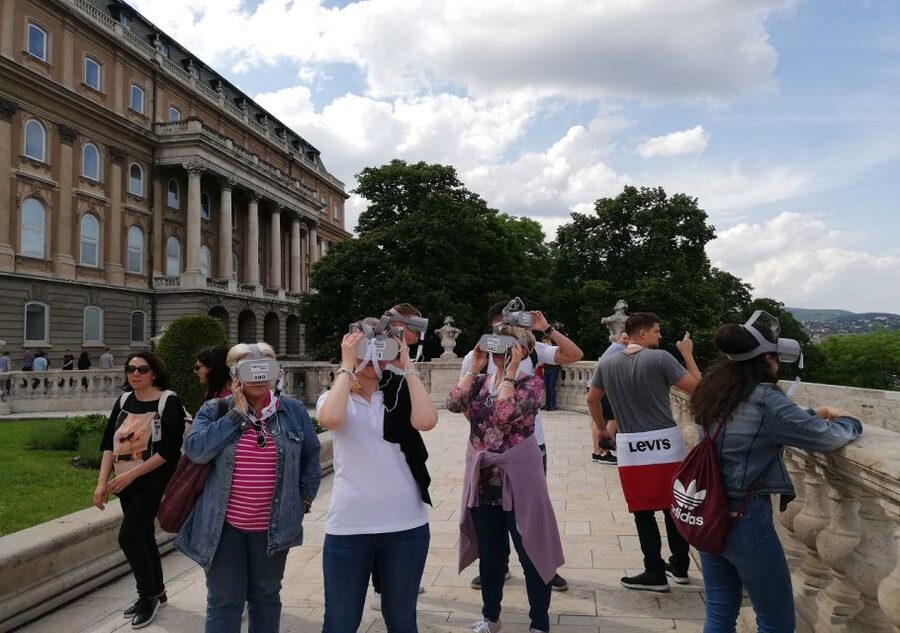
You can cancel up to 24 hours before the tour for a full refund, and you can reserve now while paying later. That flexibility helps if your Budapest schedule is still changing.
Check the starting time carefully because availability varies. Arrive 15 minutes early at Lánchíd u. 23, look for the VR Tour flags, and bring the required ID or deposit. Comfortable shoes, water in summer, and a little schedule space after the tour will make the outing easier.
Since the route begins and ends at the same location, you can pair it with time around Chain Bridge and Clark Ádám Square. The experience itself is the main event, so avoid treating it as a quick add-on between two tightly timed appointments.
Should you book the Budapest VR Tour?
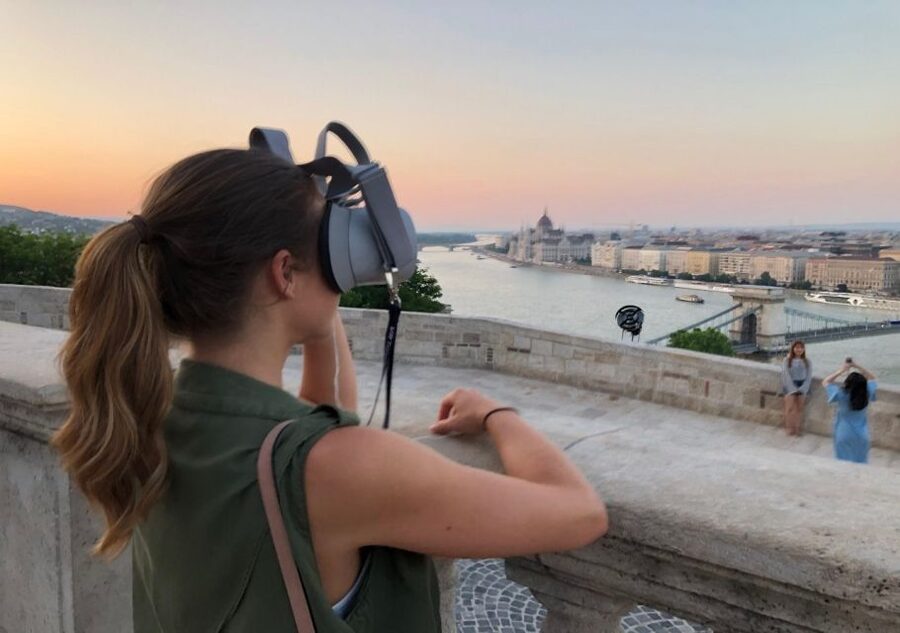
Book this tour if you want to see Buda Castle through several time periods rather than only admire its present-day walls. The combination of six VR stops, a bird’s eye city view, live guidance, and eight audio languages gives you a lively introduction to Budapest’s past for $39.
Skip it if you need full accessibility, dislike headsets, or want a traditional historical walk with no simulated battle scenes. For the right audience, the strongest feature is simple: the technology helps you picture events that are difficult to imagine from modern streets alone.
FAQ
Where does the Budapest Virtual Reality Tour begin?
It begins at Budapest, Lánchíd u. 23, 1013 Hungary, on the Buda side near Chain Bridge and Clark Ádám Square. Look for the VR Tour flags facing the street.
How early should I arrive?
You should arrive 15 minutes before the scheduled departure time.
How long does the tour last?
The activity information lists the duration as 1.5 hours. The route description also refers to a roughly two-hour tour, so check the exact duration and starting time when you book.
How many VR stops are included?
The tour includes six VR stops around the city and Castle District.
Which languages are available?
The live guide speaks English and Hungarian. The audio guide is available in English, Chinese, German, Hungarian, Spanish, Russian, Italian, and French.
What historical periods does the tour cover?
The VR scenes cover medieval castle construction, battles that shaped Budapest, World War II destruction, and the 1956 Hungarian Revolution. The experience also includes a bird’s eye view over the city.
Is VR equipment included?
Yes. Virtual reality gear and a sterile headset are included. A hygienic mask is available upon request.
Do I need to bring identification or a deposit?
Yes. Bring a passport, ID card, or €200 as a deposit for the VR headset.
Is the tour suitable for people with mobility impairments?
No. The activity includes a light hike and is listed as unsuitable for people with mobility impairments.
Can I cancel the tour for a refund?
You can cancel up to 24 hours in advance for a full refund. You can also reserve now and pay later, which keeps your plans flexible.
Just added in Budapest
- Budapest: Private Walking Tour with a Local Guide★ 3.6 · 6 reviews
- Budapest: Danube River Views Bike Ride★ 4.8 · 23 reviews
- Budapest: City Bike Tour with Coffee Stop★ 5.0 · 37 reviews
- From Budapest: Guided Tour of Eger with Wine Tasting★ 4.5 · 6 reviews
- Walk to recent and aged spiritual sanctuaries near Budapest★ 5.0 · 5 reviews
- Walking consultancy with alternative psychologist and author★ 5.0 · 2 reviews
- Budapest: Guided Tour of the Parliament Building in Spanish★ 4.6 · 1,240 reviews
- Budapest: 3-Hour Trabant Sightseeing Tour★ 4.7 · 28 reviews
Tours, compared.

City Sightseeing Hop-On Hop-Off Bus Tour & Extras
Read our review →
Buda Castle District Vampires and Myths Night Tour
Read our review →
Budapest City Landmarks Walking Tour in 2 Hours
Read our review →
3-Hour Orientation Walking Tour of Buda and Pest
Read our review →