
REVIEW · WALKING TOURS
3-Hour Orientation Walking Tour of Buda and Pest
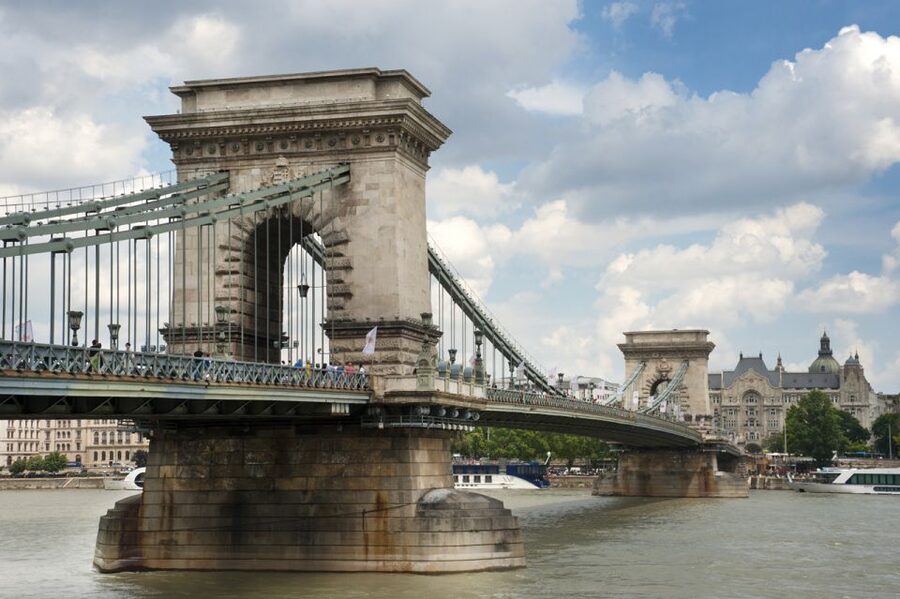
Budapest makes a strong first impression. This three-hour orientation walk links the city’s grandest sights with the stories that explain them, moving from Saint Stephen’s Basilica in Pest across the Danube to Buda Castle and Matthias Church. I like the smart use of public transport, which lets you cover both halves of the city without spending the whole afternoon on foot. I also like the local angle: guides such as Zoli, Alexandra, Monika, Flora, and Verónika have been praised for making history easy to follow while offering useful food and sightseeing advice.
The main consideration is pace. You see a great deal in three hours, but this is an overview rather than a deep visit inside every landmark. You also pay an extra 1,400 HUF per person for four public transport tickets, and busy streets or traffic noise can occasionally make it harder to hear the guide.
In This Review
- Key points at a glance
- Why three hours is a useful first look at Budapest
- Meeting at Saint Stephen’s Basilica in Pest
- Walking through Pest and looking toward Parliament
- Crossing the Danube by public transport
- Reaching Matthias Church and Buda Castle
- Guides who turn facts into a conversation
- Small groups, private visits, and the question of pace
- What this tour does well, and what it does not
- Should you book the Buda and Pest orientation walk?
- FAQ
- Where does the walking tour meet?
- How long does the tour last?
- Which Budapest sights are included?
- Is public transport included in the price?
- Which languages are available?
- Can I book a private or small-group tour?
Key points at a glance
- Starts beside Saint Stephen’s Basilica: The meeting point at California Coffee Company is central and easy to find.
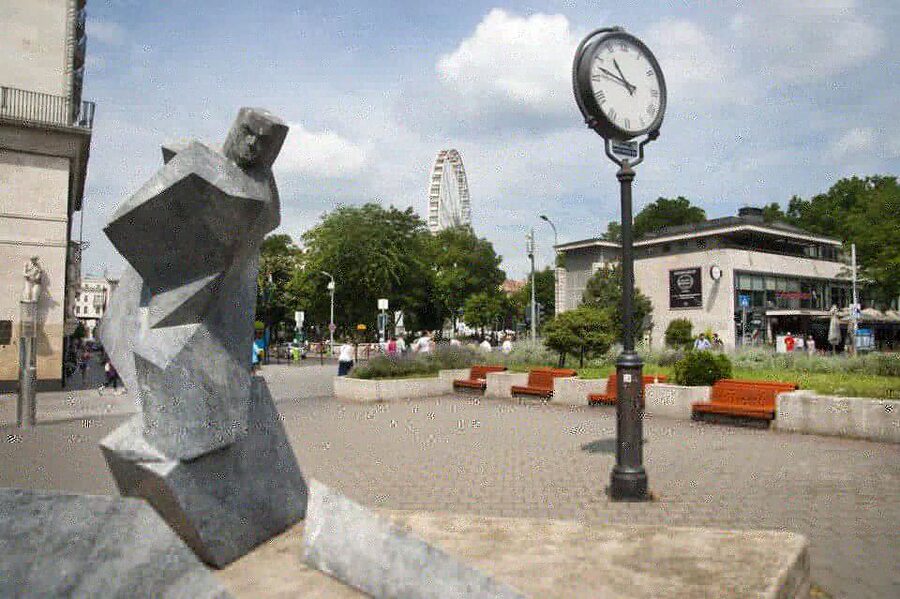
- Covers both sides of the Danube: You begin in Pest, then use public transport to reach Buda.
- Major sights come quickly: Saint Stephen’s Basilica, Parliament, Matthias Church, Buda Castle, and the Royal Palace all fit into the route.
- Guide quality is the main strength: Zoli, Alexandra, Monika, Flora, Luisa, and others are praised for clear explanations, humor, patience, and local advice.
- Small groups or private visits are available: A smaller party makes it easier to ask questions and adjust the pace.
- Good first-day choice: You finish with a better sense of Budapest’s layout and ideas for what to see next.
Why three hours is a useful first look at Budapest
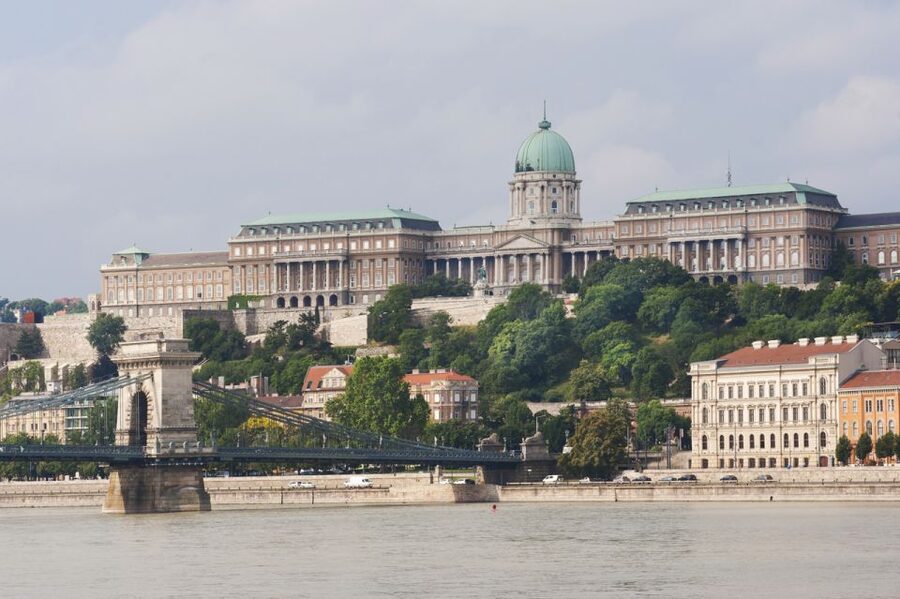
Budapest can feel confusing at first because its most famous sights are spread across two distinct areas. Pest sits on the flatter eastern bank of the Danube, while Buda rises on the western side. A self-guided walk can cover one area well, but crossing between them and understanding how they fit together takes planning.
This tour gives you that basic city map in a short block of time. You walk through central Pest, take public transport across the river, and continue on the Buda side. That change of scenery is valuable. You do not just collect photographs. You begin to see Budapest as two connected city halves with different moods, buildings, and stories.
I would book it near the start of your stay, especially if you have only two or three days in the capital. Several guides have also helped people understand how to buy bus, tram, or metro tickets, which is a small lesson that can save time later.
The advertised price is $41 per person. For three hours with a live guide and coverage of both Buda and Pest, that is fair value, particularly if you choose a small group. It becomes less attractive if you want long interior visits, extended free time, or a slow photography walk. The tour’s value is in orientation, context, and local conversation.
More walking tours in Budapest:
- Budapest: Buda Castle Walk with Saint Stephen’s Hall
★ 4.5 · 3,012 reviews - Big Bus Budapest Hop-On Hop-Off Bus and Walking Tour
★ 3.5 · 2,206 reviews - Budapest: Buda Castle District Walking Tour
★ 4.6 · 2,108 reviews
Meeting at Saint Stephen’s Basilica in Pest
The tour begins next to Saint Stephen’s Basilica, in front of California Coffee Company. This is a practical starting point because the basilica is one of central Pest’s clearest landmarks, and the surrounding area is easy to recognize.
Saint Stephen’s Basilica gives the opening portion a grand setting. It introduces you to Budapest’s scale and architecture before the walk moves into the wider city. The tour includes the basilica among its main sights, and one recent itinerary also included a basilica visit and tower climb with views over the city.
That tower visit is not guaranteed by the basic description, so you should treat it as something that may depend on the guide, timing, and arrangement for your departure. If it matters to you, ask when booking or at the start.
Your guide is likely to begin with a broad explanation of Budapest’s past and present. The best part of this format is the chance to ask questions right away. Guides have been praised for answering everything from historical questions to practical concerns about food, transport, and what to do after the tour.
Walking through Pest and looking toward Parliament
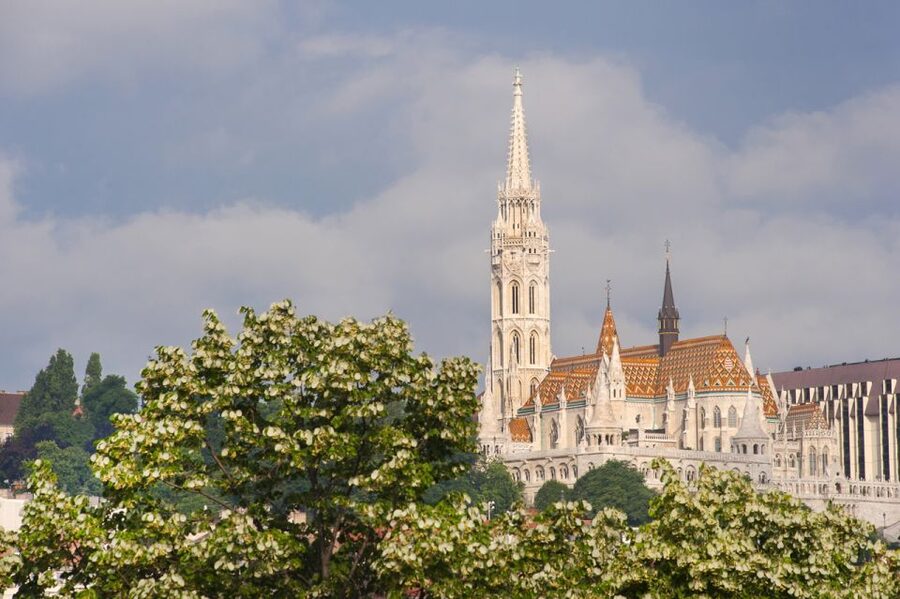
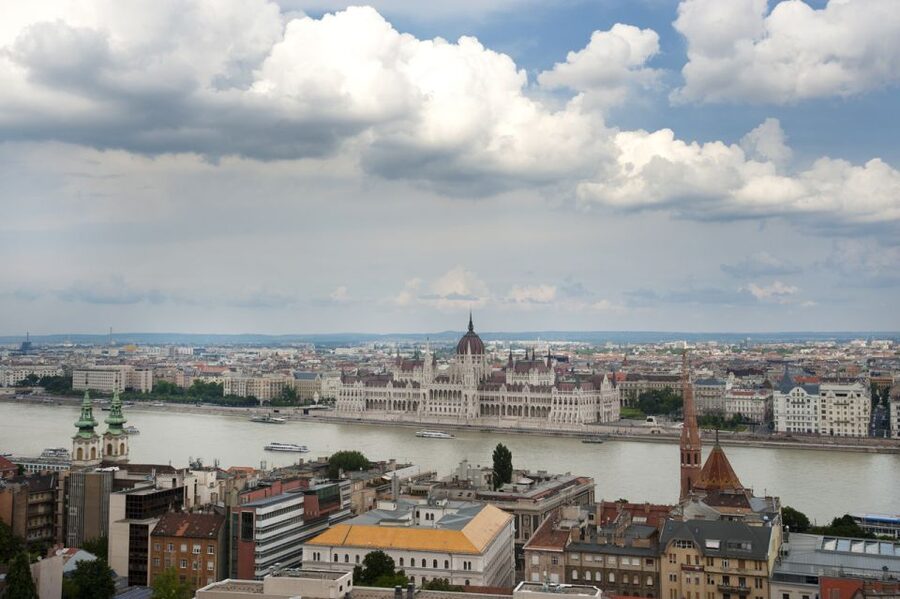
From the basilica, the route takes in the Pest side of the city, including the Hungarian Parliament building. Parliament is one of Budapest’s great visual anchors, with its ornate exterior facing the Danube. Even a short stop helps you understand how the river shapes the city’s identity.
Do not expect a full Parliament tour during this three-hour experience. The building is one of the sights you see and discuss, not a separate interior visit with a long security process. That is actually sensible for an orientation walk. You get the view, the setting, and the historical background without losing a large part of the afternoon at one stop.
This part of the route is also where a good guide earns the fee. Budapest’s political and national story is not simple, and a local explanation can make the monuments easier to read. Guides have described Hungary’s long and often turbulent past in clear, accessible language, then connected it with modern life.
The walking can feel lively in the city center. At some stops, traffic and street noise may make it difficult to hear every word. Stay close to the guide and ask for a quieter position when the group pauses. In a private or very small group, this is easier to manage.
Crossing the Danube by public transport
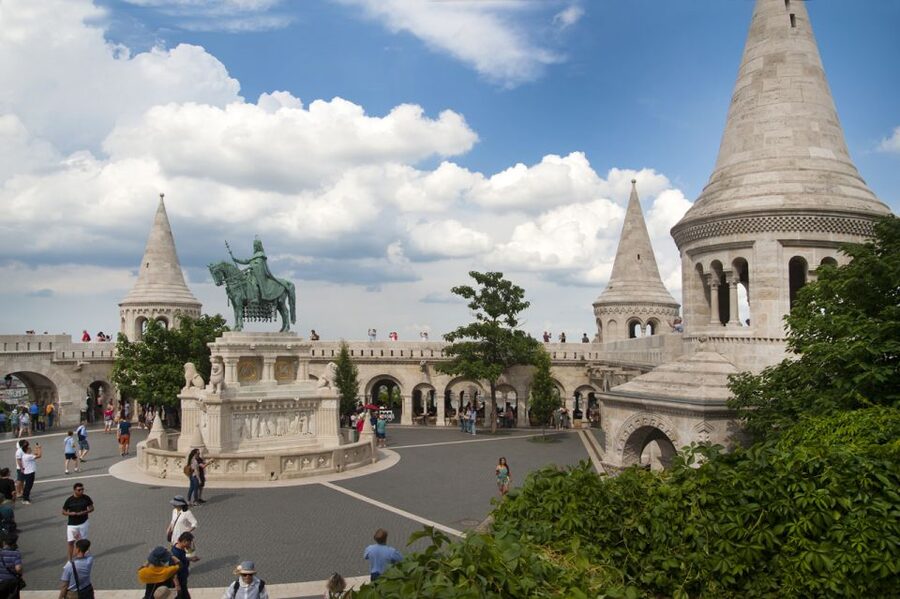
The move from Pest to Buda is one of the most useful features of the tour. Rather than treating public transport as an inconvenience, the route uses it to show you how Budapest works.
The tour is mainly on foot, but you use public transport to cross from Pest to Buda. The stated cost is four tickets per person, totaling 1,400 HUF, and these tickets are not included in the tour price. Bring this extra amount in your planning, and follow the guide’s instructions about buying the correct tickets.
This short lesson has practical value beyond the tour itself. One guide showed people how to use the transport system and find the best-value ticket. Another group learned how to buy a train or bus ticket. You may leave with more confidence about getting around on your own, which is especially useful if you plan to visit sights outside the central route.
The exact vehicle can vary. A tour account referred to using the tram and bus, while the general description simply says public transport. The point is not the ride itself. The point is seeing the city from a local’s point of view and learning a system you can use later.
More things to do in Budapest:
- Budapest: City Highlights Cruise with Welcome Drink
★ 4.6 · 35,610 reviews - Budapest: Unlimited Prosecco, Beer and Aperol Spritz Cruise
★ 4.8 · 25,310 reviews - Budapest: Széchenyi Spa Day Ticket with Optional Upgrades
★ 4.3 · 23,911 reviews - Budapest: Nighttime or Daytime Sightseeing Cruise
★ 4.2 · 21,062 reviews
Reaching Matthias Church and Buda Castle
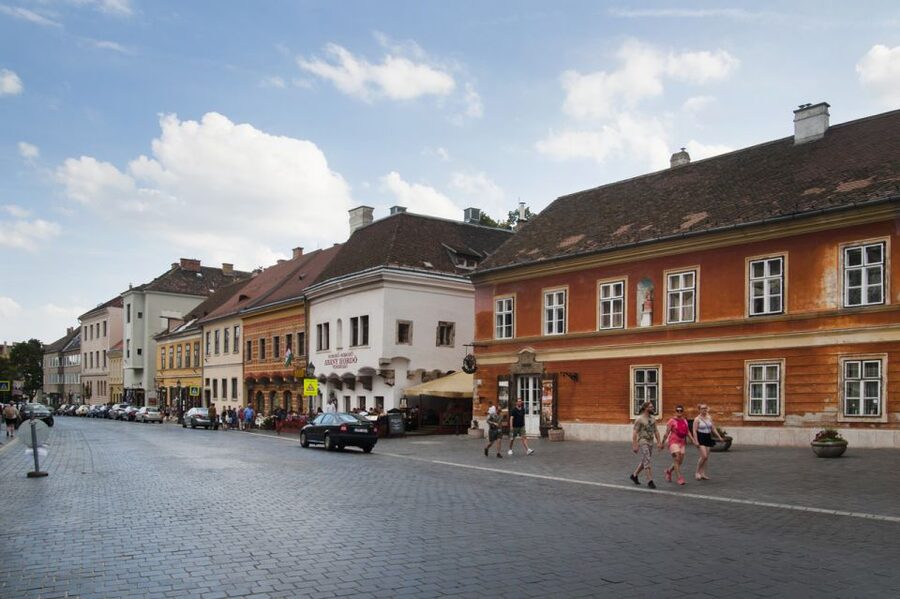
Once you reach Buda, the character of the tour changes. The hilltop area around Matthias Church and Buda Castle gives you some of Budapest’s best-known views and a different architectural setting from Pest.
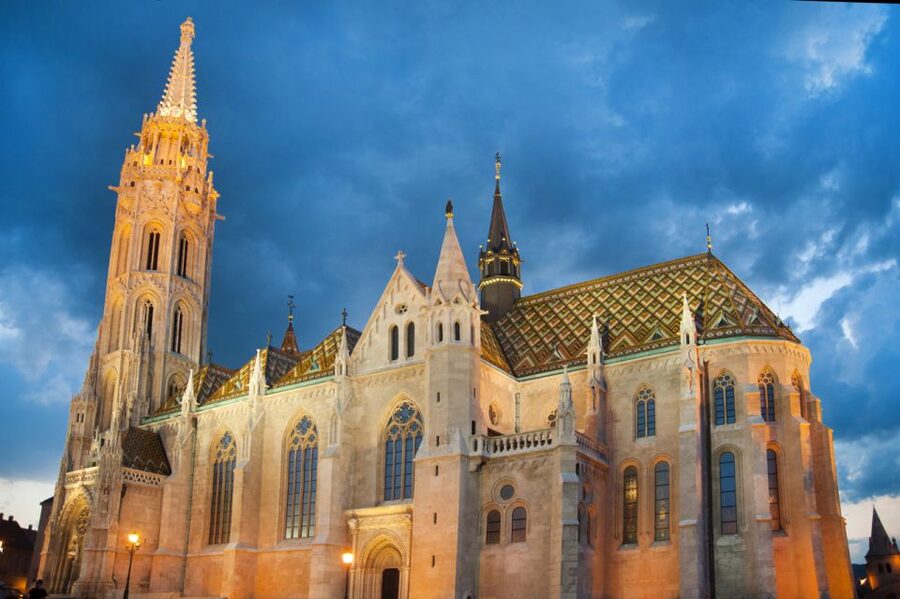
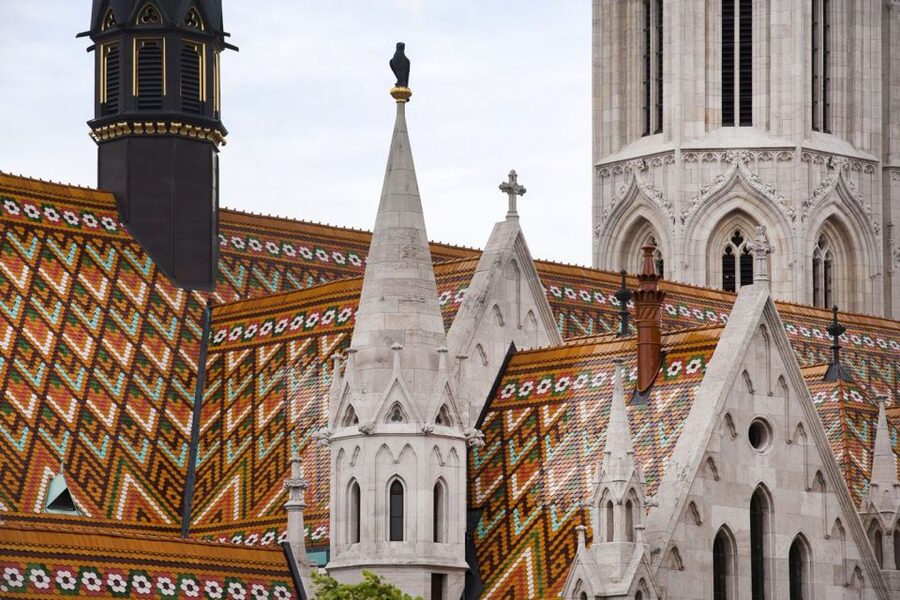
Matthias Church is among the key sights on the route. Its distinctive roof and prominent position make it one of the most memorable buildings in the Castle District. The guide’s role here is to connect the church and surrounding streets with the wider story of Buda, rather than simply point out the façade.
Buda Castle and the Royal Palace add another major layer. You see the former royal center and learn how the area fits into Budapest’s changing past. The tour is particularly helpful here because the castle district can otherwise become a series of impressive buildings without a clear thread connecting them.
Expect to walk, pause, look, and listen. The route covers substantial ground, so comfortable shoes matter. The experience is designed for younger and older tourists, but your comfort will still depend on your walking ability, the weather, and the group’s speed. A private booking gives you the best chance of adjusting the pace.
The views from Buda are a major reward. You look back across the Danube toward Pest, with the city’s landmarks arranged below. A basilica tower climb, when included, adds another viewpoint, but the Buda portion already gives you strong opportunities to see how the river divides and joins the city.
Guides who turn facts into a conversation
The strongest part of this experience is the guide. The tour is not built around a fixed script alone. It depends on someone who can explain Budapest clearly, respond to questions, and judge when the group needs a pause.
Zoli has been praised for being funny, friendly, and easy to talk with. He also gave practical restaurant suggestions and demonstrated public transport. Alexandra has been singled out for storytelling, strong English, patience, and the ability to adjust explanations to a group’s interests.
Monika, Flora, Luisa, Verónika, Lora, Zsóka, Petra, and Leticia have also received warm praise for their energy, preparation, and personal approach. Verónika even switched to Portuguese for a Portuguese-speaking couple, making the experience more comfortable and personal.
The available guide languages are English, French, German, Italian, Russian, and Spanish. You should select the language that suits you when checking availability. The actual guide assigned to a departure can vary, so asking for a particular person may not always be possible.
Several guides have offered ideas for the rest of the visit, including local food recommendations and places to explore afterward. This is where the tour becomes more than a sightseeing checklist. You can ask what deserves your limited evening, which sights need more time, and how to avoid wasting a morning.
Small groups, private visits, and the question of pace
Small-group and private options are available. That choice can change the feel of the experience.
In a larger group, you get a social outing and a lower-cost way to see the city, but it may be harder to ask many questions or hear every explanation in a noisy square. In a small group, the guide can stop longer when something interests you and adjust the route more easily.
Private tours have received praise for letting people move at a comfortable speed and hear the explanations clearly. One private group appreciated being able to shape the visit around its own interests. If you are traveling with family members of different ages, or if history and architecture matter more to you than speed, the private option may justify the extra cost.
The tour can also suit younger tourists who want a quick city overview without committing to a full-day program. Older visitors should consider the amount of walking and the public transport transfer. The description presents it as suitable for all types of tourists, but no three-hour city walk can remove the need for sensible footwear and regular pauses.
What this tour does well, and what it does not
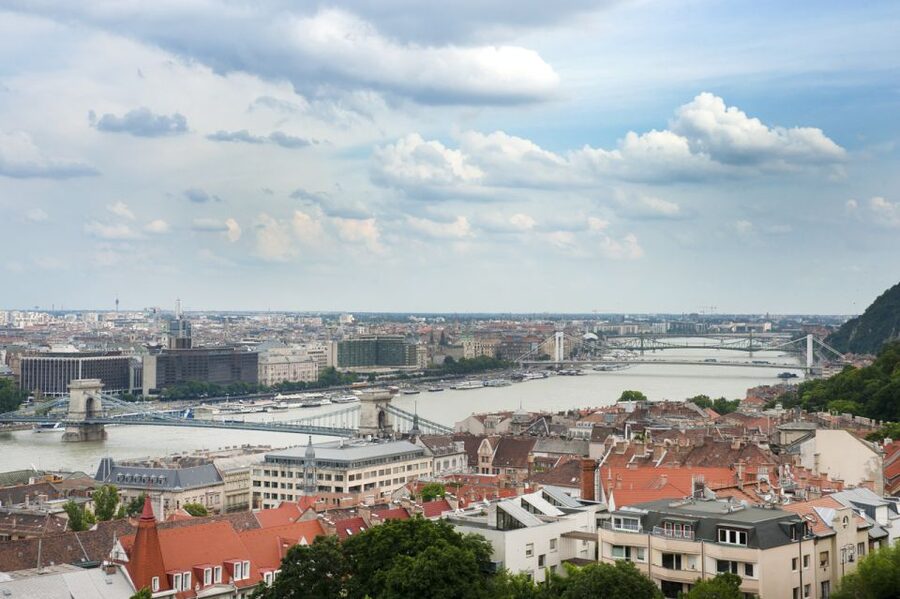
This is a strong choice for orientation. You see the headline sights, learn the basic shape of the city, hear historical and cultural context, and collect practical advice for the rest of your stay.
It also offers a good balance between famous places and local interpretation. The route includes the Hungarian Parliament building, Saint Stephen’s Basilica, Matthias Church, Buda Castle, and the Royal Palace, but the guide adds the value. Without that human explanation, these stops could feel disconnected.
The limits are clear. Three hours is not enough for a full examination of every landmark, a long museum visit, and generous free time. The tour also does not include public transport tickets. If you prefer to explore at your own pace, stop for extended photographs, or spend an hour inside one church, a self-guided day may suit you better.
Weather is another practical factor. The tour runs outdoors and includes walking, so cold, rain, or heat will shape the experience. A guide named Zsóka was praised for keeping her energy up in cold conditions, but you should still dress for the forecast.
Should you book the Buda and Pest orientation walk?
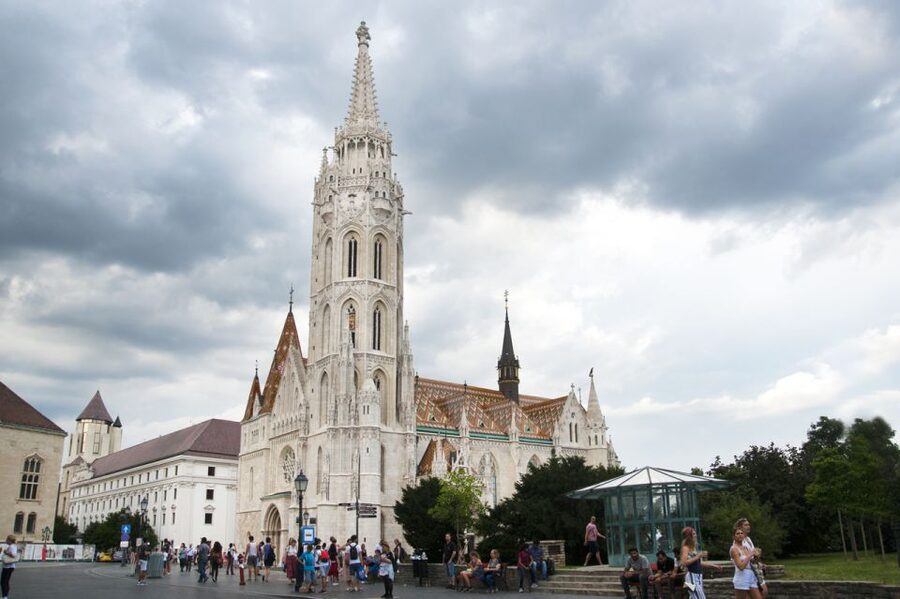
Book this tour if you are new to Budapest, have limited time, or want a clear introduction before exploring on your own. The combination of major sights, public transport practice, local recommendations, and personal storytelling gives you a useful first layer of understanding for $41.
I would especially recommend it for couples, families, and small groups who want to ask questions. Choose a small-group or private departure if you care about sound, pacing, or tailoring the route to your interests.
Skip it if you already know Budapest well or want long interior visits at Parliament, the basilica, or Buda Castle. For most first-time visitors, though, this is a practical and lively way to get your bearings fast, see both city halves, and decide where to spend the rest of your time.
FAQ
Where does the walking tour meet?
The meeting point is next to Saint Stephen’s Basilica, in front of California Coffee Company.
How long does the tour last?
The tour lasts three hours.
Which Budapest sights are included?
The route covers Saint Stephen’s Basilica, the Hungarian Parliament building, Matthias Church, Buda Castle, and the Royal Palace.
Is public transport included in the price?
No. You need four public transport tickets per person, costing 1,400 HUF in total.
Which languages are available?
Live guides are available in English, French, German, Italian, Russian, and Spanish.
Can I book a private or small-group tour?
Yes. Private and small-group options are available.
Just added in Budapest
- Budapest: Private Walking Tour with a Local Guide★ 3.6 · 6 reviews
- Budapest: City Bike Tour with Coffee Stop★ 5.0 · 37 reviews
- Budapest: Danube River Views Bike Ride★ 4.8 · 23 reviews
- From Budapest: Guided Tour of Eger with Wine Tasting★ 4.5 · 6 reviews
- Walk to recent and aged spiritual sanctuaries near Budapest★ 5.0 · 5 reviews
- Walking consultancy with alternative psychologist and author★ 5.0 · 2 reviews
- Budapest: Guided Tour of the Parliament Building in Spanish★ 4.6 · 1,240 reviews
- Budapest: 3-Hour Trabant Sightseeing Tour★ 4.7 · 28 reviews
Walking Tours, compared.
Budapest City Landmarks Walking Tour in 2 Hours
Read our review →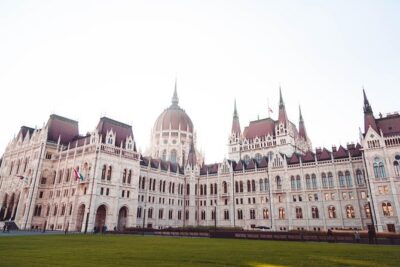
Budapest Historical Sightseeing – Free Walking Tour
Read our review →
Budapest All in One Small Group Walking Tour with Strudel Stop
Read our review →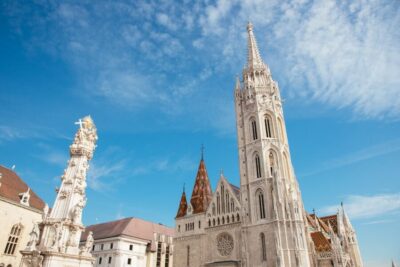
Buda Castle District Walking Tour with a Historian
Read our review →
BloodThirsty Hungary: Walking tour & Dark Historical Stories
Read our review →
Browse the lists this tour appears in