
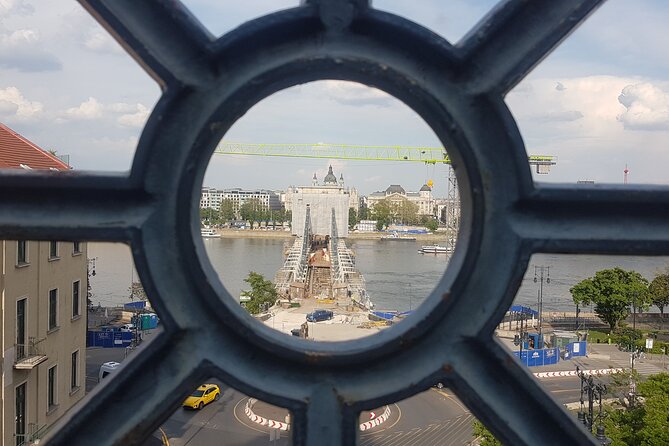
REVIEW · BUDA CASTLE AND CASTLE DISTRICT TOURS
Budapest Castle District Walking Tour
History comes alive on Buda Hill. This roughly two-hour walk links Matthias Church, Fisherman’s Bastion, and Buda Castle with stories about wars, occupations, royal power, Jewish life, Ottoman rule, and everyday Budapest. I like the route because it gives you a clear introduction to the Buda side without charging a traditional tour price, and I like that you finish at a grand Danube viewpoint with time for questions.
The main tradeoff is physical: this is a real uphill walk with flights of stairs, not a gentle stroll. Fisherman’s Bastion can also be crowded, and the tour does not enter Matthias Church or the museums it passes. Still, at $3.62 per person, plus a tip you choose for the guide, it offers unusually strong value for a first look at the Castle District.
- A local guide sets the historical scene: The tour begins at Batthyány Square before climbing toward Castle Hill.
- The route covers major sights: Matthias Church, Fisherman’s Bastion, the National Archives, Hospital in the Rock, and Buda Castle all feature along the way.
- Look for unusual details: You’ll hear about Hungarian crosses, huszár cavalrymen, Jewish life, Gül Baba, and the bird known as the turul.
- Expect a workout: A ten-minute uphill walk and many stairs make sensible shoes essential.
- The best views come near the end: The terrace by Prince Eugene of Savoy’s statue looks across the Danube toward Pest.
- The price works like a tip-based walk: The booking fee handles administration, while guides rely on donations at the end.
In This Review
- Starting at Batthyány Square on the Danube
- Climbing toward the old royal quarter
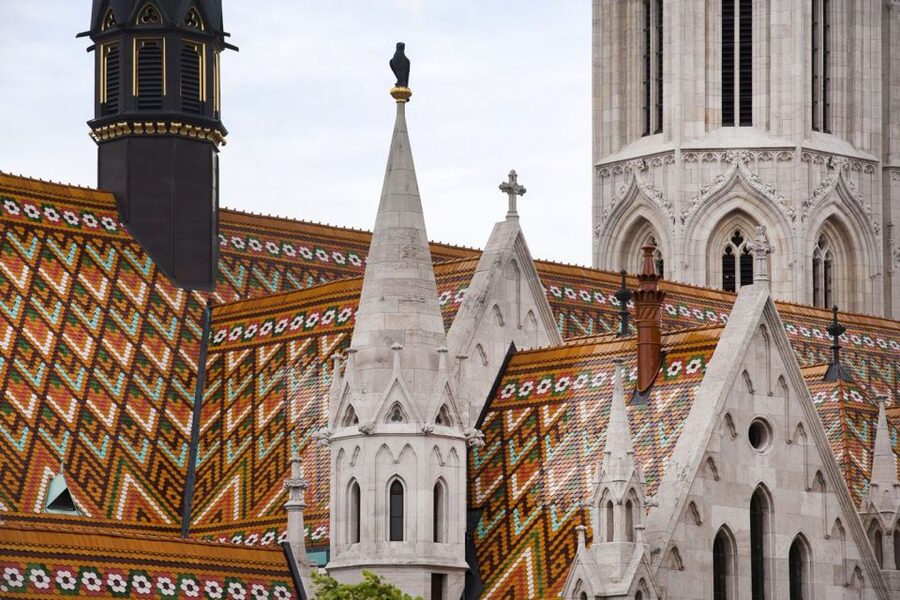
- Matthias Church and eight centuries of change
- Fisherman’s Bastion and the free panorama
- The Medieval Jewish Prayer House
- National Archives, wartime damage, and Gül Baba
- Underground Buda at Hospital in the Rock
- Buda Castle and the royal scale of the hill
- Prince Eugene’s statue and the final Danube view
- Is $3.62 really good value?
- What the strongest guides do well
- Who should book this walk?
- Should you book the Budapest Castle District Walking Tour?
- FAQ
- How long does the Budapest Castle District Walking Tour last?
- Where does the tour begin?
- Where does the tour end?
- Is the tour offered in English?
- Does the tour enter Matthias Church?
- Does the tour include entry to the Hospital in the Rock Nuclear Bunker Museum?
- How much walking and climbing should I expect?
- Is the tour wheelchair accessible?
- Can I cancel for a full refund?
Starting at Batthyány Square on the Danube
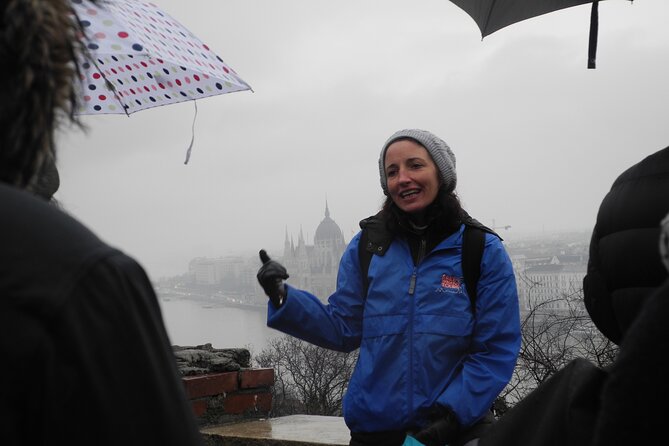
The meeting point is Batthyány tér 1, near the metro exit in the park. Pay attention here, because the instructions specifically direct you to the Batthyány Square metro exit, not simply somewhere in the wider square. A licensed local guide, born and raised in Budapest, meets the group and explains the plan.
This is a smart starting point. From Batthyány Square, you can look across the Danube toward the Parliament building before heading uphill to Buda Castle District. The opening gives you a useful sense of the city’s layout: Pest lies across the river, while the old royal quarter rises above the Buda bank.
The group can include up to 30 people, though some departures may feel smaller. Guides named in the feedback include Dora, Zsófia, Rita, Gary, Judit, Sophia, Valeria, Endre, Gábor, Esther, and Odea. The strongest praise goes to guides who mix clear historical explanation with humor and a relaxed pace.
Climbing toward the old royal quarter

The climb is part of the experience, but you should not underestimate it. The tour information asks you to consider your health and ability to complete a ten-minute uphill walk, and several accounts describe many stairs and a fairly serious trek.
The good news is that the guides generally build in pauses. Rita jokingly framed the climb as skipping the gym, while Valeria gave the group time to catch its breath on the monster stairs. Other guides stopped in shaded spots and continued talking during the breaks.
That approach matters. You are not simply racing uphill behind a flag. The pauses let you catch your breath, hear more about the city, and avoid leaving slower walkers behind. Still, the route is not wheelchair accessible, and it may be a poor fit if stairs or uneven uphill walking are difficult for you.
Wear shoes with a firm grip. Bring water, especially in hot weather, and do not arrive hungry. One person suffered a medical incident near the end of a tour, possibly linked to cold, low blood pressure, and lack of food. The guide called an ambulance and helped until assistance arrived. It is a useful reminder to treat this as an active outing, not just a history lecture.
More of the Castle District:
- Budapest: Buda Castle Cave Tour
★ 4.7 · 5,677 reviews - Budapest: Buda Castle District Vampires and Myths Night Tour
★ 4.6 · 3,830 reviews - Budapest: Buda Castle Walk with Saint Stephen’s Hall
★ 4.5 · 3,012 reviews
Matthias Church and eight centuries of change
The first major historical stop is Matthias Church, one of the Castle District’s best-known buildings. The guide explains the area’s roughly 800 years of history, including wars and occupations that repeatedly changed the quarter.
You do not go inside the church. That limitation is important if you hoped to see its interior, but the outside setting still gives the guide plenty to discuss. This is where the tour shifts from sightseeing to context. You learn about German, Jewish, and Hungarian communities and how daily life in the district changed over time.
The strongest guides make these stories feel human. Instead of treating the Castle District as a line of kings and battles, they explain how different communities lived around the same streets. Judit, for example, was praised for connecting history with street art and politics, while Odea added a few Hungarian words to her storytelling.
You should think of this stop as an orientation to the district’s layers, not a church visit. If entering Matthias Church is a priority, plan a separate visit.
Fisherman’s Bastion and the free panorama
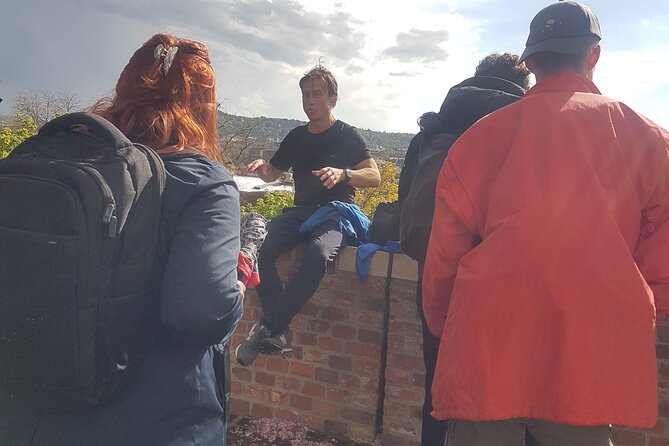
Fisherman’s Bastion is the most instantly photogenic stop. Its pale stone terraces and towers frame wide views over the Danube and Pest, making it a natural high point of the walk.
The guide adds some less obvious details. You’ll hear about the connection between Walt Disney and Fisherman’s Bastion, and you’ll learn the difference between crosses with one, two, or three horizontal strips. The guide also points out how to enjoy a free view from Castle Hill, useful because parts of the bastion can involve paid access at certain times or locations.
Crowds are the catch. Fisherman’s Bastion is one of Budapest’s most popular sights, and a packed terrace can make photos and listening harder. On a hot day, the combination of stone, sun, and a large group may test your patience.
I would not judge the whole tour by this stop alone. The bastion is beautiful, but the guide’s explanation is the real reason to stay with the group. If you want quiet photographs, return early or late in the day on your own.
The Medieval Jewish Prayer House
The Medieval Jewish Prayer House is a quieter stop and one of the more unusual parts of the route. The guide introduces the prayer house and the baroque residential buildings around it.
This section helps correct a common mistake: seeing the Castle District only as a royal and military zone. The area also held homes, religious spaces, and ordinary urban life. The baroque buildings provide a visual contrast to the larger monuments, and the prayer house adds another layer to the district’s story.
You will not spend a long time here, around ten minutes, but that is enough for an introduction. If you prefer famous buildings and grand viewpoints at every stop, this may feel brief. I find it useful because it breaks up the parade of major landmarks and shows how much of the district is found in its smaller corners.
More walking tours in Budapest:
- Big Bus Budapest Hop-On Hop-Off Bus and Walking Tour
★ 3.5 · 2,206 reviews - Budapest: Buda Castle District Walking Tour
★ 4.6 · 2,108 reviews - Budapest City Landmarks Walking Tour in 2 Hours
★ 5.0 · 2,048 reviews - 3-Hour Orientation Walking Tour of Buda and Pest
★ 4.8 · 1,834 reviews
National Archives, wartime damage, and Gül Baba
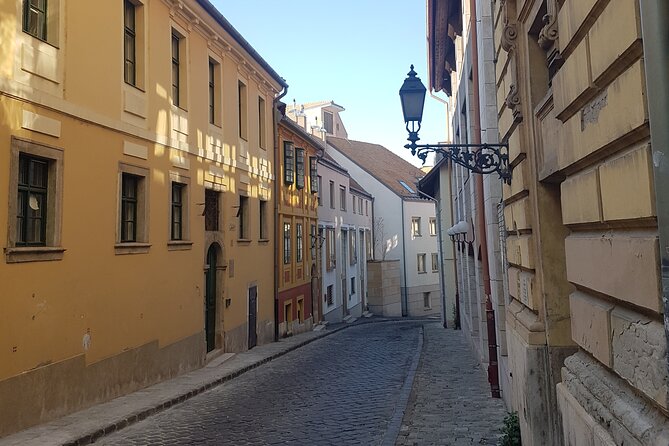
At the National Archives of Hungary, the subject turns darker. You learn about the massive destruction caused by the Second World War and where the Nazi stronghold was located.
This is an important part of the route because the Castle District’s elegant buildings can hide how heavily the area was damaged. The guide connects the visible architecture with the violence that reshaped it, helping you understand why the quarter has been rebuilt and altered several times.
The stop also widens the story beyond wartime Budapest. You are shown where wealthy Hungarians lived and told about the Muslim pilgrimage site connected with Gül Baba, an Ottoman Turkish monk and soldier. These details reveal the mix of social classes, religious traditions, and political powers that shaped Buda.
The tour moves quickly, so you should listen closely. Guides such as Gary and Andy have been praised for explaining Hungarian history in a clear way, while others have been appreciated for a lively, humorous style. The quality of delivery can vary from guide to guide. One person found Andy’s presentation too dry on a sweltering day, while others valued his detailed explanations.
Underground Buda at Hospital in the Rock
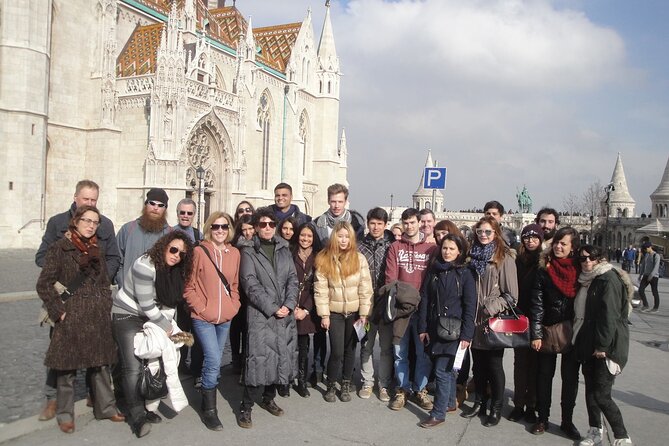
The Hospital in the Rock Nuclear Bunker Museum is introduced from outside. The tour does not include entry to the museum, but the guide explains the underground world beneath Castle Hill, including labyrinths and their role in defense over the centuries.
This is a good example of the tour’s limits and strengths. You get a useful introduction to the site, but you do not receive a museum visit or a full underground exploration. If you want to enter the bunker, you’ll need to arrange that separately.
The guide also points out some of Budapest’s humorous public statues and explains the huszár, the light cavalry fighter often linked with Hungarian military tradition. These lighter details keep the walk from becoming a nonstop account of sieges and destruction.
This stop works best for curious first-time visitors. It shows that Castle Hill is not only a collection of palaces and churches above ground. Its defensive story continues below your feet.
Buda Castle and the royal scale of the hill
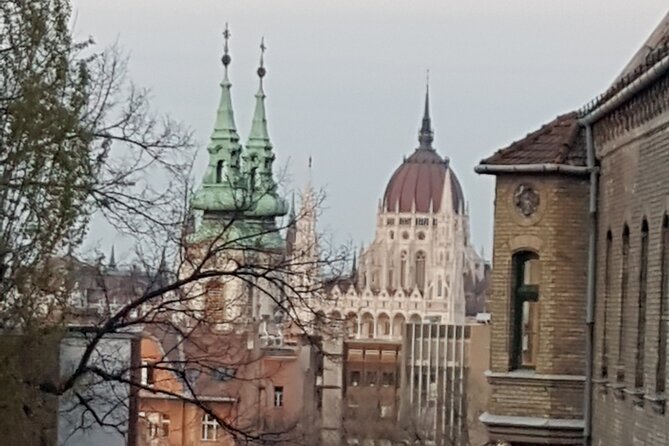
Buda Castle is the largest and most imposing stop. The building once served as the residence of Hungarian kings and has been rebuilt many times after wartime destruction.
The guide points out the turul, the mythical bird associated with the Hungarian people, and explains where the offices of the president and prime ministers are located. The focus is not just on the building’s appearance. You learn how royal power, national symbolism, government, and reconstruction overlap in this part of the city.
Allowing about 20 minutes here gives the guide enough time to explain the setting, but it may not satisfy everyone who wants a long photo stop. One person felt the castle portion was rushed and wished for more time to take pictures. That is a fair criticism, especially since the views are among the city’s best.
I would treat the walking tour as an introduction to Buda Castle rather than a complete visit. You can return later for more photos, museum visits, or a slower look at the palace area.
Prince Eugene’s statue and the final Danube view
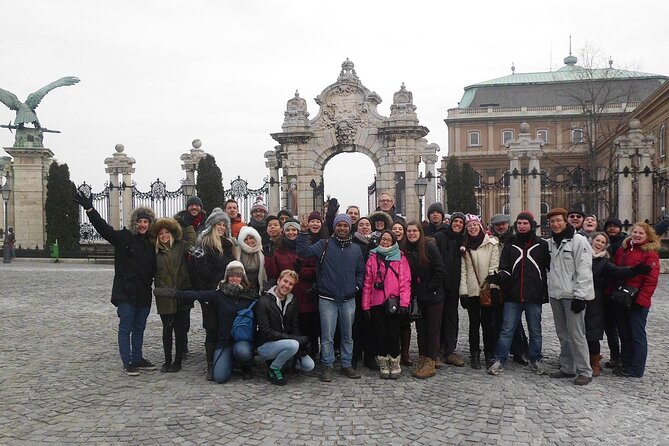
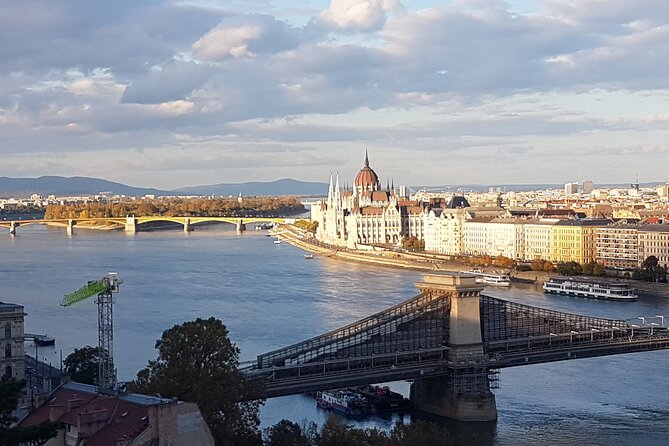
The tour ends near the equestrian statue of Prince Eugene of Savoy. From the terrace, you get a broad panorama of Pest across the Danube.
This is a fitting finish. By now, you have seen the royal palace, religious buildings, wartime scars, residential streets, and defensive sites. The view lets you place everything in the wider city.
The guide may test you with questions about the main Castle Hill landmarks and Hungarian life. The tone is light, but the questions help you remember what you have just seen. There is also time for practical information and remaining questions.
The endpoint is about a 30-minute walk from the starting point. That matters when planning your next activity. You do not finish back at Batthyány Square, so check your route before booking a tightly timed lunch, museum entry, or river cruise.
Is $3.62 really good value?
The listed price is $3.62 per person, but this is not a conventional paid tour in the usual sense. The booking fee goes toward administration and does not contribute to the guide’s earnings. Guides depend entirely on donations at the end, with the amount left to your choice.
That makes the tour inexpensive to reserve but not truly cost-free in practice. If you enjoy the experience, budget for a tip that reflects the guide’s work. The final amount is up to you, but the guide’s preparation, walking pace, storytelling, and help with questions are the service you are supporting.
For the price, the value is strong. You receive two hours of local explanation, a route through major sights, city views, and practical orientation for the Buda side. You do not receive museum admissions, entry to Matthias Church, or entry to the Hospital in the Rock Museum, so include those costs separately if you want to go inside.
The tour is offered in English and comes with a mobile ticket. It is generally booked about 16 days in advance, which suggests planning ahead during popular periods.
What the strongest guides do well
The best part of this experience is the human delivery. Guides praised most warmly include Dora, Zsófia, Rita, Gary, Sophia, Valeria, Judit, Odea, and Esther. Their strengths differ, but the pattern is clear: guests value guides who make history easy to follow, answer questions, use humor, and keep the group moving.
Dora was praised for filling the walk with information while staying open to questions. Zsófia brought a wealth of Hungarian history to a small group. Rita was remembered for balancing wit, cheer, and facts. Gary kept the tour lively while explaining Budapest and Hungary.
You should also know that guide style can affect your experience. One guide may tell energetic stories, while another may present the same material in a quieter, more academic way. A fast speaker can also be hard to follow, particularly near busy streets or crowded viewpoints.
Who should book this walk?
I would choose this tour for a first morning or afternoon in Budapest, especially if you want a broad introduction before exploring the Castle District on your own. It suits people who enjoy history, viewpoints, local anecdotes, and a good amount of walking.
It also works well for families with older children or teenagers. One family found that two teenagers stayed fascinated by the funny and informative presentation. The mix of kings, bunkers, public art, politics, and strange local details gives younger minds more to hold onto than a simple list of dates.
I would hesitate if you need a wheelchair-accessible route, dislike stairs, or want extensive time inside each attraction. I would also avoid scheduling it during extreme heat or bitter cold unless you are prepared with water, food, suitable clothing, and breaks.
Should you book the Budapest Castle District Walking Tour?
Book it if you want an affordable, active introduction to Buda with a local guide and broad historical coverage. The route gives you more than the obvious palace photographs, and the final view toward Pest is excellent.
Skip it if your priority is entering Matthias Church, touring the Hospital in the Rock Museum, or spending a long time photographing Buda Castle. In that case, use the walk as an orientation only and plan separate visits.
For most first-time visitors who can manage the climb, I think it is worth booking. Choose a departure with good weather, eat beforehand, wear comfortable shoes, and give the guide a fair tip if the stories help you understand Budapest.
FAQ
How long does the Budapest Castle District Walking Tour last?
The tour lasts approximately two hours.
Where does the tour begin?
It begins at Batthyány tér 1 in Budapest, at the Batthyány Square metro exit in the park.
Where does the tour end?
It ends at the Statue of Prince Eugene of Savoy in Budapest. The endpoint is about a 30-minute walk from the meeting point.
Is the tour offered in English?
Yes. The tour is offered in English.
Does the tour enter Matthias Church?
No. The church is visited from the outside, and admission inside is not included.
Does the tour include entry to the Hospital in the Rock Nuclear Bunker Museum?
No. The guide introduces the museum and the underground Castle Hill area, but museum admission is not included.
How much walking and climbing should I expect?
You should expect a moderate physical outing, including a ten-minute uphill walk and many stairs. Good physical fitness is recommended.
Is the tour wheelchair accessible?
No. The tour is not wheelchair accessible. Service animals are allowed.
Can I cancel for a full refund?
Yes, if you cancel at least 24 hours before the local start time. Cancellations made less than 24 hours before the tour are not refunded. If poor weather causes the tour to be canceled, you’ll be offered another date or a full refund.
Just added in Budapest
- Budapest: Private Walking Tour with a Local Guide★ 3.6 · 6 reviews
- Budapest: Danube River Views Bike Ride★ 4.8 · 23 reviews
- Budapest: City Bike Tour with Coffee Stop★ 5.0 · 37 reviews
- From Budapest: Guided Tour of Eger with Wine Tasting★ 4.5 · 6 reviews
- Walk to recent and aged spiritual sanctuaries near Budapest★ 5.0 · 5 reviews
- Walking consultancy with alternative psychologist and author★ 5.0 · 2 reviews
- Budapest: Guided Tour of the Parliament Building in Spanish★ 4.6 · 1,240 reviews
- Budapest: 3-Hour Trabant Sightseeing Tour★ 4.7 · 28 reviews
Buda Castle and Castle District Tours, compared.
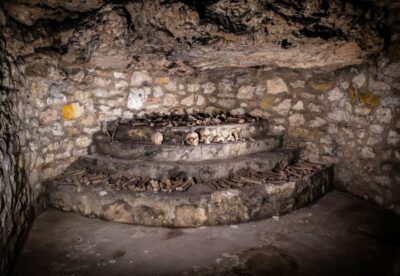

Buda Castle District Vampires and Myths Night Tour
Read our review →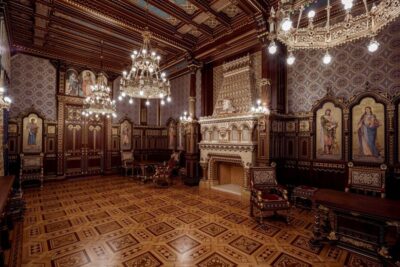
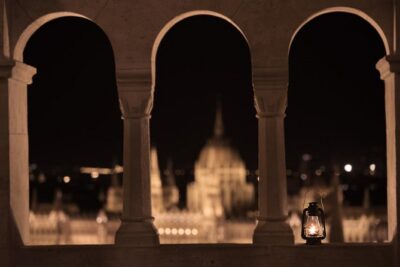
Buda Castle District Dark History, Legends and Vampire Night Tour
Read our review →
Buda Castle District Walking Tour with a Historian
Read our review →
Walking tour in the Buda Castle incl. Fisherman’s Bastion
Read our review →
Buda Castle Tour: Fisherman’s bastion and hidden gems
Read our review →Browse the lists this tour appears in