REVIEW · TOURS
Explore Budapest from the Local’s Perspective – Public Transportation Tour
Budapest makes more sense on the move. This three-hour private tour uses the city’s trams, metro, buses, and other public transport to connect grand sights with ordinary city life. I like the included 24-hour pass, and I like that the guide teaches you how to use the system instead of simply pointing at it. The main drawback is that the tour covers a lot in a short time, so stops are often brief and entrance tickets are not part of the experience.
The tour begins at your accommodation, which saves you the trouble of finding an unfamiliar meeting point. I also appreciate the practical extras: a route map, a public transport booklet, a notebook, and a souvenir pen. At $118.58 per person, the price is easier to justify for a private group that wants orientation and local help, less so if you only want quick photo stops.
In This Review
- Key points to know before booking
- Why public transport is the point
- Andrássy Avenue and the grand opening at Heroes’ Square
- City Park: a quick look at Budapest’s cultural side
- Jászai Mari tér and Margaret Bridge
- Nyugati Station, Deák Square, and city-center life
- Buda Castle and the optional funicular ride
- Gellért Square, the baths, and Liberty Bridge
- Kálvin Square and the practical extras
- What the $118.58 price includes
- Who will get the most from this tour
- Should you book this Budapest transport tour?
- FAQ
- How long is the Budapest public transportation tour?
- What is included in the tour?
- Does the tour offer accommodation pickup?
- Is this a private tour?
- Which language is the tour offered in?
- Does the tour include food or drinks?
- Are museum and bath admissions included?
- Can the itinerary change?
Key points to know before booking
- Five ways to get around Budapest: You learn the city by using public transport, not by watching it pass from a coach window.
- A full 24-hour transit pass is included: You can continue exploring on your own after the three-hour tour.
- Private, accommodation pickup: The route begins where you are staying, and only your group takes part.
- Major sights with local context: The route links Heroes’ Square, Margaret Bridge, Deák Ferenc Square, Buda, and the Danube.
- A useful first-day introduction: You get a working map of Budapest and advice that can help with later airport and city trips.
- Fast-moving sightseeing: The tour gives you a broad overview, but it is not designed for long museum visits or relaxed time at every stop.
Why public transport is the point
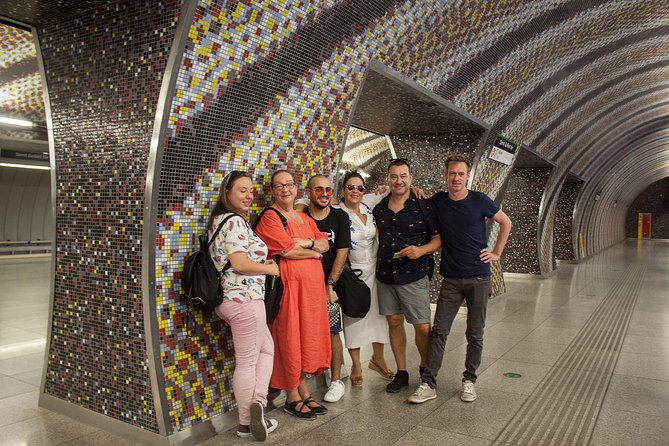
Budapest has an excellent network, but first-time visitors can find its tickets, lines, platforms, and connections a little confusing. This tour turns that uncertainty into the main lesson. You do not just hear about the city. You practice moving through it.
The included pass covers any means of transportation for 24 hours. That is useful beyond the tour itself. After the guide leaves, you can use the same pass to return to a favorite neighborhood, reach dinner, or revisit a sight without buying another ticket.
The experience is private, so the guide can adjust the route for your group. The supplied information says minor changes may be made to keep the tour running smoothly or to suit your interests. That flexibility matters because public transport schedules and city conditions can affect the order of stops.
The route uses five different forms of transport. The exact combination can change, so you should not expect a fixed demonstration of five named vehicles every time. One particularly memorable possibility is a public boat ride, which one previous booking specifically praised. The value is in learning how the whole network connects, including streets and stations that a standard sightseeing bus would skip.
More things to do in Budapest:
- Budapest: City Highlights Cruise with Welcome Drink
★ 4.6 · 35,610 reviews - Budapest: Unlimited Prosecco, Beer and Aperol Spritz Cruise
★ 4.8 · 25,310 reviews - Budapest: Széchenyi Spa Day Ticket with Optional Upgrades
★ 4.3 · 23,911 reviews
Andrássy Avenue and the grand opening at Heroes’ Square
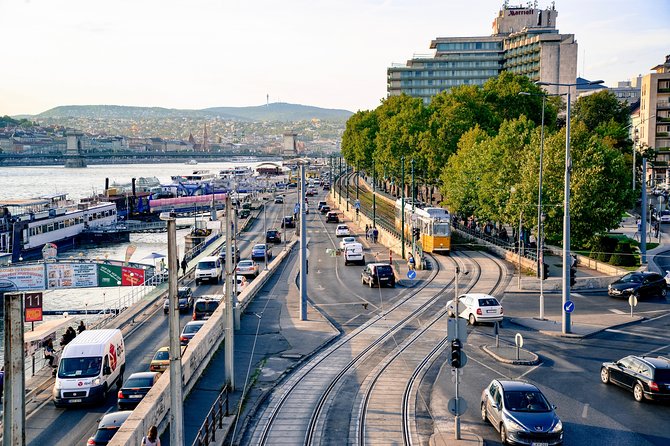
The route includes Andrássy Avenue, one of Budapest’s grandest boulevards. It dates from 1872 and is lined with Neo-Renaissance mansions, townhouses, cafés, restaurants, theaters, embassies, luxury shops, and boutiques. The avenue has World Heritage status, but it also works as a useful introduction to Budapest’s city center because it combines formal architecture with everyday shopping and café life.
The first timed stop is Heroes’ Square, with about 15 minutes to look around. The broad square is dominated by a monument to important Hungarian leaders and the seven chieftains of the Magyars. You will also see the Memorial Stone of Heroes, which is often mistakenly called the Tomb of the Unknown Soldier.
Fifteen minutes is enough to take in the layout and hear the basic story. It is not enough for a detailed study of the monuments, so you should think of this as an orientation stop rather than a full historical visit.
City Park: a quick look at Budapest’s cultural side
Around Heroes’ Square, the route passes several landmarks in City Park. Vajdahunyad Castle was built for the 1896 Millennial Exhibition, marking 1,000 years since the Hungarian conquest of the Carpathian Basin in 895. Its designer, Ignác Alpár, borrowed forms from notable buildings across the historic Kingdom of Hungary, including Hunyad Castle in Transylvania.
The castle now houses the Museum of Hungarian Agriculture. The tour does not include museum admission or time for a full visit, but the exterior alone helps explain the building’s playful mix of architectural styles.
You also pass the Museum of Fine Arts, built between 1900 and 1906 in an eclectic Neoclassical style. Its collection covers international European art from many periods and includes more than 100,000 works. Across the square, the Budapest Hall of Art presents temporary contemporary exhibitions and has a bookshop, library, and café overlooking Heroes’ Square.
The City Park Ice Rink adds another side of Budapest. Opened in 1870, it is one of Europe’s oldest and largest public ice rinks. Depending on the season, you may see the park functioning as a recreation area rather than just a collection of monuments.
I like this section because it puts several different versions of Budapest together: national symbols, museums, architecture, shopping, and public leisure. The tradeoff is simple: you will see many sites from the outside, not visit them in depth.
Jászai Mari tér and Margaret Bridge
Jászai Mari tér is a public transport hub at the Pest end of Margaret Bridge. It is named for Mari Jászai, one of Hungary’s major stage actors. The stop lasts about 10 minutes, giving you time to understand how trams and other services meet here.
Margaret Bridge gets about five minutes. This is the second-northernmost and second-oldest public bridge in Budapest, and it has an unusual three-way design because it also connects with Margaret Island. You may not have long to linger, but the crossing gives you a practical sense of how the Danube divides Buda and Pest while still tying the city together.
The route also introduces the tram lines running along Budapest’s large ring road, known as the Nagykörút. The two lines are among the city’s busiest, with services as frequent as every two minutes during rush periods and up to 15-minute intervals at other times. That detail is useful if you plan to use these trams later, particularly when deciding whether walking or waiting makes more sense.
A completely different kind of day:
- Budapest: Nighttime or Daytime Sightseeing Cruise
★ 4.2 · 21,062 reviews - Budapest: 1-Hour Evening Sightseeing Cruise with Drink
★ 4.5 · 8,330 reviews - Budapest Danube Cruise and Dinner Options, Live Music and Dance
★ 4.5 · 7,428 reviews - Budapest: Historic Cruise with Welcome Drink
★ 4.7 · 6,512 reviews
Nyugati Station, Deák Square, and city-center life
Budapest Western Railway Station, usually called Nyugati, is one of the city’s three main rail terminals. It is served by tram lines 4 and 6 and the M3 metro line. The surrounding area is a major meeting place, with restaurants, bars, and a wide range of shops.
The tour gives this stop about 10 minutes. That may be enough to see the station area and learn the connections, but not enough to explore the terminal or nearby streets at a relaxed pace. For me, this is exactly the sort of place a local transport tour should include. It is useful, central, and part of real city movement rather than a monument selected only for photographs.
Deák Ferenc Square gets another 10 minutes. Named for Ferenc Deák, known as the Wise Man of the Nation, the square is Budapest’s main metro interchange. All three metro lines meet beneath it, while tram lines 47 and 49 and several bus routes also serve the area.
This is one of the most valuable lessons on the tour. If you know Deák Ferenc Square, you have a reliable reference point for moving around Budapest. The guide can show you how different lines connect and how to read the city’s transport structure without guessing at every platform.
Nearby Elizabeth Square has about five minutes. It is a popular park beside Deák Ferenc tér, especially among younger people, and it remains active late into the evening. The short stop offers a glimpse of Budapest as a social city, not just a museum of grand buildings.
Buda Castle and the optional funicular ride
The Buda Castle area receives the longest scheduled visit, about 45 minutes. That makes sense. The hilltop district provides some of the finest views in the city and a strong contrast with the busy Pest-side transport junctions earlier in the route.
The tour can use the funicular as an option instead of Gellért Hill. This choice is important because it changes the balance of the experience. Selecting Buda Castle gives you more time in the historic hill district and the funicular itself. Choosing the other route gives you a different viewpoint and brings the tour toward Gellért Square and Liberty Bridge.
Because this is a private tour, you should discuss your preference with the guide at the start. Do not assume both options receive full attention during a three-hour tour. The schedule is broad, and the provider notes that the route can be adjusted.
The 45-minute stop is long enough for a meaningful look around, but you should not expect entry to every attraction in the Castle District. The itinerary lists admission as free at the stops, and no museum or monument admission is included. The real benefit here is orientation, views, and learning how to reach the district by public transport or funicular.
Gellért Square, the baths, and Liberty Bridge
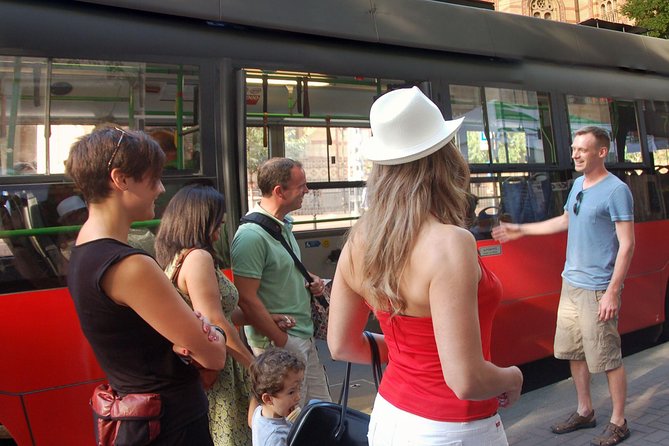
Another section of the route focuses on the southern Buda side of the Danube. Szent Gellért Square is recognized by its water-themed design, including wavy benches and a small fountain with a pond near the underground station entrance. The stop lasts about 10 minutes.
The square is also associated with the Gellért Thermal Baths, part of the famous Hotel Gellért complex. Budapest’s thermal bath culture is one of the city’s defining pleasures, but this tour does not include bathing or admission. You should treat the stop as an introduction, then return separately if you want time in the baths.
Gellért Hill rises 235 meters above the Danube and is known for its broad city views. It is named for Bishop Gellért, an Italian missionary invited by King Stephen to help convert Hungarians to Christianity around the year 1000. According to the traditional story, resisting pagans later rolled him down the hill in a barrel into the Danube.
The route crosses Liberty Bridge, also called Szabadság híd, on foot. The crossing takes about five minutes and brings you to the foot of Gellért Hill. This is a fine place to appreciate the river and the relationship between Buda’s hills and Pest’s flatter streets.
As with the Castle option, time is the limiting factor. You will see the area and understand its place in the city, but this is not a long hill walk or a thermal bath visit.
Kálvin Square and the practical extras
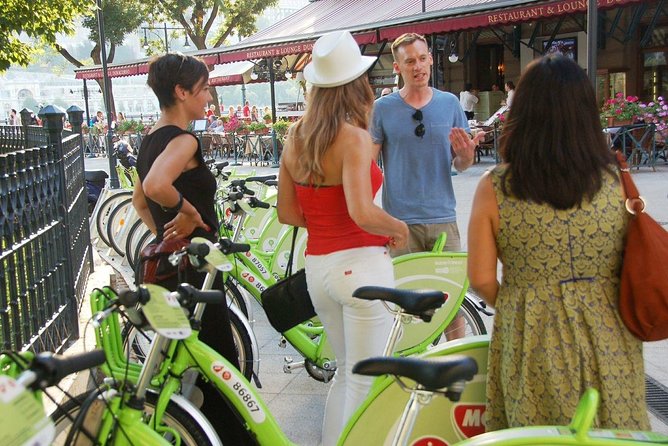
The final timed stop is Kálvin Square, with about 10 minutes. It is a central intersection named after the Protestant reformer John Calvin, in part because of the large Reformed Church nearby. The Hungarian National Museum is also close, and the square connects with tram, bus, and trolleybus routes.
Ending here makes practical sense. You finish near another useful transport point, with a better feel for how to continue exploring. You also receive a map showing the tour route and a Rider’s Booklet explaining Budapest public transport.
The notebook and souvenir pen are modest additions, but the map and booklet have real use. I would keep them with the 24-hour pass and mark places you want to revisit. A previous booking praised the guide for explaining exactly how to use the transport system and for helping with airport departure planning and a separate destination. That is the kind of practical help that can save more time than another monument fact.
The guide named in the provider’s responses is Miklós. One response in Spanish also praised the fun and ease of learning basic local words while riding the train and tram. You should not expect a language class, but small terms and transport habits can make Budapest feel less intimidating.
What the $118.58 price includes
At $118.58 per person, this is not a bargain-priced sightseeing ride. You are paying for a private guide, accommodation pickup, a three-hour route, and a 24-hour public transport pass. Group discounts are offered, and the private format makes the cost more sensible when shared by a small party that wants personal attention.
The pass has value on its own, but the larger benefit is avoiding wasted time. If you are unsure how to reach Buda Castle, Margaret Bridge, or a railway station, the guide can show you the process while you are still early in your stay.
Food and drinks are not included. Museum, bath, and other admission costs are also not listed as inclusions, so budget separately if you want to return to those sites. The experience is best judged as an orientation service with sightseeing, not as a package of paid attractions.
Who will get the most from this tour
I would choose this for a first visit to Budapest, especially if you like independent sightseeing but dislike spending your first day decoding transit maps. It also suits families and private groups that want to set the pace and ask direct questions.
You should be comfortable walking between stops, boarding public transport, and keeping to a three-hour schedule. Children must be accompanied by an adult, service animals are allowed, and most people can participate. The tour is offered in English.
It is less suitable if your main goal is a long visit inside the Museum of Fine Arts, a full Castle District walk, or time at Gellért Baths. You will see and understand more parts of Budapest, but you will not linger everywhere.
Pickup is available from your accommodation, so provide the address when booking. Confirmation is received at booking, and free cancellation is available up to 24 hours before the start time. After that point, the amount paid is not refunded, and late changes are not accepted.
Should you book this Budapest transport tour?
Book it if you want to learn Budapest by using it. The strongest parts are the private format, the 24-hour pass, the five transport modes, and the guide’s practical help with later journeys. The tour gives you a citywide framework quickly, with enough history to make the places meaningful.
Skip it if you prefer slow sightseeing, long museum visits, or a tour focused on one neighborhood. At this price, the experience works best when you value local orientation and will use the transport pass afterward. For a first day in Budapest, that can be a smart trade.
FAQ
How long is the Budapest public transportation tour?
The tour lasts approximately three hours.
What is included in the tour?
The tour includes a local guide, a 24-hour pass for any means of transportation, a route map, a Rider’s Booklet about Budapest public transport, a notebook, and a souvenir pen.
Does the tour offer accommodation pickup?
Yes. The guide meets each group at its accommodation, and you should provide the address in the special requirements section when booking.
Is this a private tour?
Yes. Only your group participates in the activity.
Which language is the tour offered in?
The tour is offered in English.
Does the tour include food or drinks?
No. Food and drinks are not included.
Are museum and bath admissions included?
No admission fees are listed as included. The stops at the Museum of Fine Arts, Budapest Hall of Art, and Gellért Thermal Baths are part of the route, but the tour does not include their admission.
Can the itinerary change?
Yes. The route is a basic outline and may change to personalize the experience or keep the tour running smoothly. The Buda Castle area may be visited with the funicular option instead of Gellért Hill.
Just added in Budapest
- Budapest: Private Walking Tour with a Local Guide★ 3.6 · 6 reviews
- Budapest: Danube River Views Bike Ride★ 4.8 · 23 reviews
- Budapest: City Bike Tour with Coffee Stop★ 5.0 · 37 reviews
- From Budapest: Guided Tour of Eger with Wine Tasting★ 4.5 · 6 reviews
- Walk to recent and aged spiritual sanctuaries near Budapest★ 5.0 · 5 reviews
- Walking consultancy with alternative psychologist and author★ 5.0 · 2 reviews
- Budapest: Guided Tour of the Parliament Building in Spanish★ 4.6 · 1,240 reviews
- Budapest: Vacation Photographer to collect great memories★ 5.0 · 49 reviews
Tours, compared.
City Sightseeing Hop-On Hop-Off Bus Tour & Extras
Read our review →
Buda Castle District Vampires and Myths Night Tour
Read our review →
Budapest City Landmarks Walking Tour in 2 Hours
Read our review →
3-Hour Orientation Walking Tour of Buda and Pest
Read our review →