
REVIEW · COOKING CLASSES
Budapest: Hungarian Cooking Class and Market Walk
Paprika tells Budapest’s story deliciously. I like the blend of Central Market Hall tastings and a hands-on meal in a local apartment, and I especially like the family recipes, wine, and pálinka that turn a lesson into a social afternoon. The one drawback is that the four-hour experience depends on group cooking, so anyone wanting a fast, private meal may find the pace too relaxed.
Foodapest makes Hungarian food feel less like a museum display and more like something you can carry home in your own hands. You walk through the market, taste local specialties, shop for ingredients, then cook and eat together. Guides such as George, Marcell, Emese, and Kinga have earned praise for their warmth, clear instruction, and ability to keep a small group working well together.
In This Review
- Key points to know before booking
- Meeting by Budapest’s Central Market Hall
- What you taste inside the market
- Walking to the apartment for a communal meal
- Choosing between paprikash, goulash, and vegetarian dishes
- Chicken paprikash
- Beef goulash stew
- Mushroom paprikas or lecsó
- Stuffed cabbage rolls
- Cooking with family recipes and local guidance
- Wine, pálinka, and the meal at the end
- Recipes, souvenirs, and advice for the rest of Budapest
- Who will enjoy this Foodapest experience most?
- Booking details that matter
- Should you book the Budapest cooking class?
- FAQ
- Where does the Budapest cooking class begin?
- How long does the experience last?
- Where does the activity end?
- What dishes can I prepare?
- Are vegetarian or vegan meals available?
- Can halal ingredients be provided?
- What is included in the price?
Key points to know before booking
- Start at Central Market Hall: Meet outside the main entrance by the yellow tram stop, where your guide carries a brown market basket.
- Taste before you cook: The market walk includes Hungarian treats, local drinks, and a look at ingredients used in everyday cooking.
- Cook in a home setting: The class takes place in a nearby apartment, with family recipes and a communal style rather than a formal culinary school format.
- Choose your main dish: Options include chicken paprikash, beef goulash, mushroom paprikas, lecsó, and, depending on the arrangement, stuffed cabbage rolls.
- Expect more than a lesson: Cold cuts, cheeses, meats, wine, Hungarian spirits, conversation, and recipes are included.
- Budget around four hours: At $98 per person, the price covers a market tour, tastings, instruction, a full meal, drinks, and local advice.
Meeting by Budapest’s Central Market Hall
Your afternoon begins outside the main entrance of the Central Market Hall, beside the yellow tram stop. This is a useful meeting point because it is easy to identify, and the brown market basket gives you a clear visual marker in a busy part of the city.
The hall is billed as the largest indoor market in Hungary and one of the largest in Europe. It is a fitting starting point for a food tour because you see Hungarian ingredients in their natural setting before turning them into lunch or dinner.
The market is not treated simply as a place to buy supplies. Your guide talks about Hungarian food, culture, and history while stopping for tastes. This matters because paprika, cured meats, pickled produce, cheeses, and spirits make more sense when you understand how they fit into local habits.
I like this opening because it gives you a quick introduction to Budapest through food rather than a long lecture. The tastings also help you decide what you enjoy before the cooking begins. If a certain paprika or sausage catches your attention, you have already encountered it in the place where locals buy it.
One practical point: you should arrive at the exact meeting spot outside the main entrance, not simply somewhere inside the market. The yellow tram stop and brown basket are the useful landmarks.
More cooking classes in Budapest:
- Budapest Cooking Class & Market Tour with Local Guide & Wines
★ 5.0 · 553 reviews - Budapest Bike Tour with a Hungarian Goulash
★ 4.7 · 209 reviews - Budapest Bike Tour with Hungarian Goulash
★ 5.0 · 198 reviews
What you taste inside the market
The market portion is a guided walk with samples of Hungarian specialties. The exact sequence of tastings can vary, but the experience includes local treats and opportunities to try Hungarian wine or pálinka.
Pálinka is a strong Hungarian fruit spirit, so the sample is best approached as a cultural taste rather than a casual soft drink. A small pour can be enough to make the point. The experience also introduces the differences among paprika varieties, including smoky, sweet, and spicy flavors.
That paprika lesson is one of the most useful parts of the afternoon. Many visitors know paprika as a red powder, but Hungarian cooking depends on how that powder is chosen and used. Seeing and tasting several kinds gives you a better sense of why one dish tastes sweet and mellow while another has more heat or smoke.
Some market areas receive special attention. One particularly unusual feature described by the host is a look at the market’s downstairs section, including a relief map, pickled vegetables and fruits, and Hungarian liquor. Your guide can also offer advice on buying souvenirs, which is handy if you want paprika or other food products to take home.
The market walk is not a full shopping expedition. It is a short, focused introduction before the class, so you should not expect hours of browsing every stall. That is a benefit if you want structure, but a limitation if you prefer to explore markets at your own pace.
Walking to the apartment for a communal meal
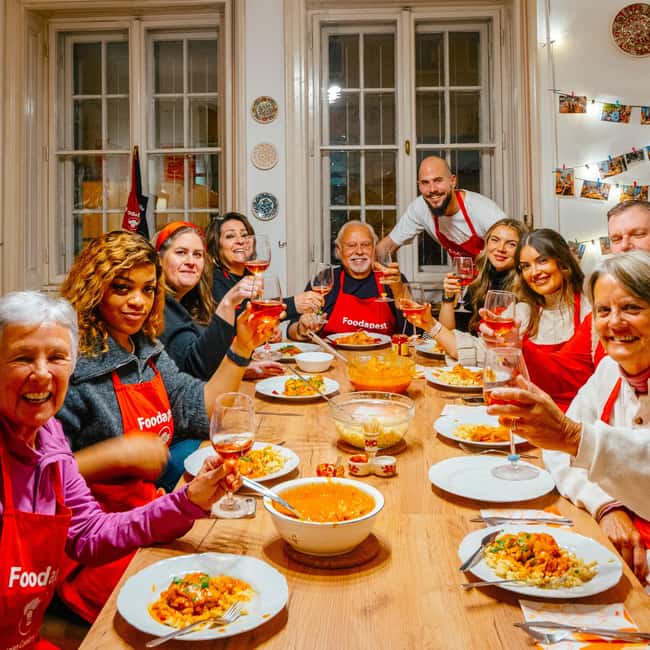
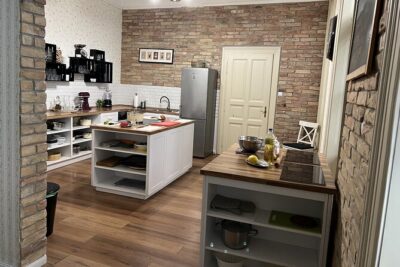
After the market, the group walks to a nearby apartment. The change in setting is important. You are no longer watching a chef demonstrate behind a counter. You are entering a home-style environment where the food, stories, and conversation happen around the same table.
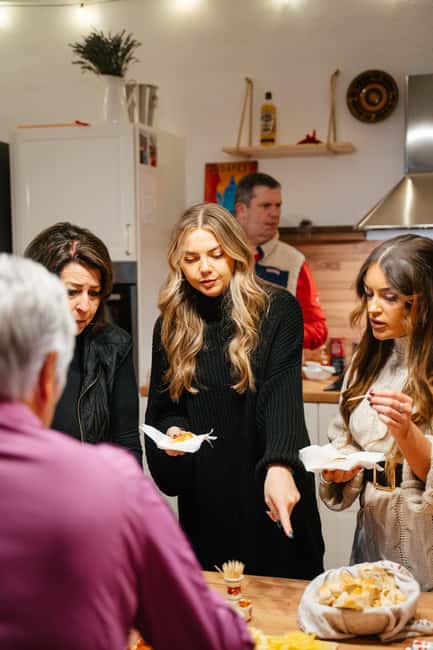
Before cooking, you receive Hungarian cold cuts, sausages, salamis, meats, cheeses, dips, and other snacks. Local wine and Hungarian spirits are also included. This opening spread gives you something to eat while the cooking gets organized, and it helps the group start talking.
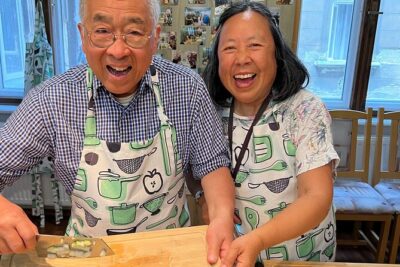
The apartment setting is repeatedly praised for feeling friendly and relaxed. George’s apartment is described as charming and comfortable, with the atmosphere of visiting a friend. That does not mean the afternoon is unstructured. Hosts guide the cooking, explain the dishes, and manage the group, but the tone is informal.
I would choose this experience partly for that social side. Solo visitors can meet people from other countries without having to force conversation, and couples or families get a shared activity rather than another meal at a restaurant. Families with older children may also find it appealing. One family particularly enjoyed the class with daughters aged 12 and 13.
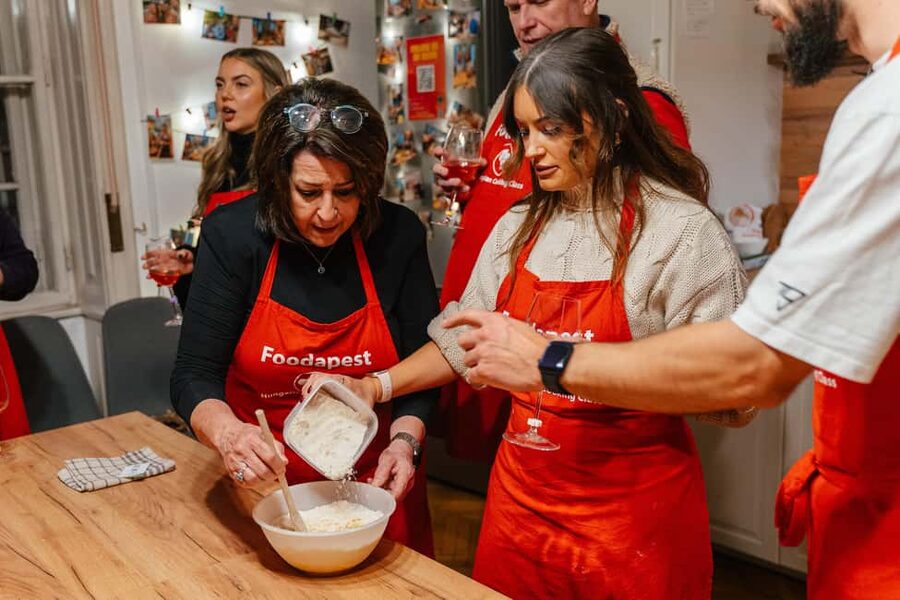
The communal format has a tradeoff. You will have a role in preparing the food, but you may not control every step or work at your own speed. If your group is larger or different people choose different tasks, some waiting is possible. Kinga has been praised for handling group dynamics, which is useful in a class where everyone needs space and a job.
Choosing between paprikash, goulash, and vegetarian dishes
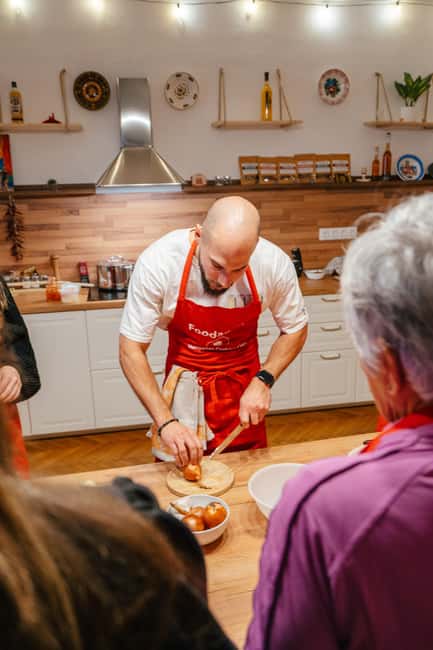
The main dish is selected by your party. The core choices include chicken paprikash, beef goulash stew, mushroom paprikas, and lecsó. The additional meal information also refers to stuffed cabbage rolls, so you should confirm the current choices and your preference before the class.
More markets in Budapest:
- Budapest Food Tour: Market to Tavern with 14+ Tasters & Wines
★ 5.0 · 434 reviews - Budapest: Hungarian Cuisine in the Market Hall (german)
★ 4.8 · 146 reviews - Hungarian Cooking and optional Local Market Tour
★ 4.5 · 98 reviews - Easy Cooking Class Budapest – with Market Walk (local wine & pálinka included)
★ 5.0 · 62 reviews
Chicken paprikash
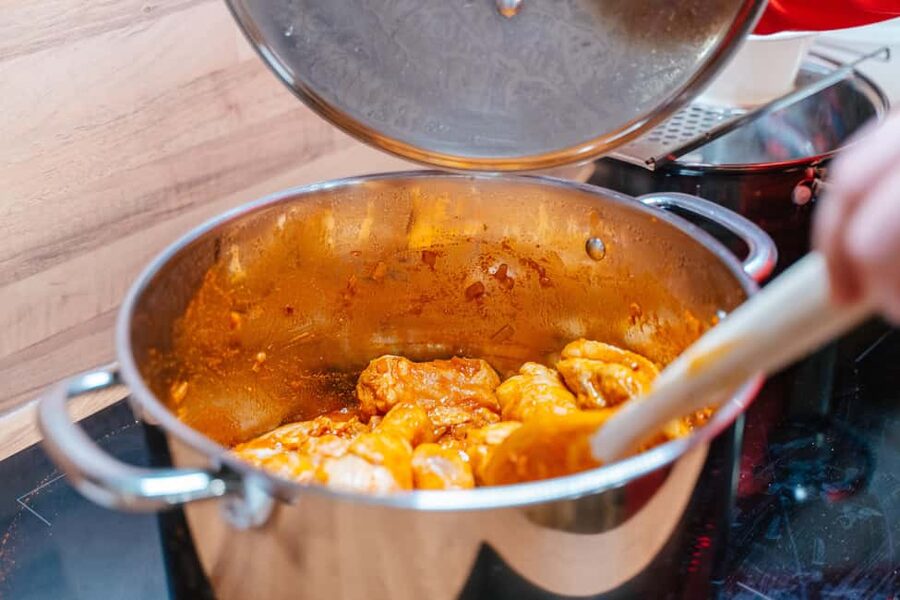
Chicken paprikash is the clearest introduction to Hungarian cooking. It is familiar enough to approach easily, yet the paprika, sauce, and traditional preparation give it a strong local identity.
You learn how a family recipe becomes a shared meal rather than simply receiving a finished plate. Several people have gone home ready to add chicken paprikash to their regular cooking rotation, which is a good sign for anyone who wants a recipe with practical value.
Beef goulash stew
Goulash is a classic Hungarian dish, but the class focuses on a family version rather than a generic restaurant interpretation. The slow, hearty style suits a relaxed afternoon and gives you a chance to learn how Hungarian flavors build over time.
If you want the most traditional-feeling meat option, this is likely the choice to consider. It may also be less suited to anyone looking for a quick, light cooking task.
Mushroom paprikas or lecsó
Vegetarians and vegans can be accommodated with mushroom paprikas or lecsó. This is a real strength because the cooking is not presented as a meat-only version of Hungarian cuisine.
The experience also has a record of handling vegetarian requests smoothly. If you have dietary restrictions, tell Foodapest in advance rather than waiting until you arrive. Halal ingredients can be provided upon request.
Stuffed cabbage rolls
Stuffed cabbage rolls appear in the meal preference information as another possible selection. Since the main-dish choices are described in slightly different ways, confirm this option when booking.
This is particularly important if you are choosing the class because of one specific dish. A quick message beforehand avoids confusion and gives the host time to prepare suitable ingredients.
Cooking with family recipes and local guidance
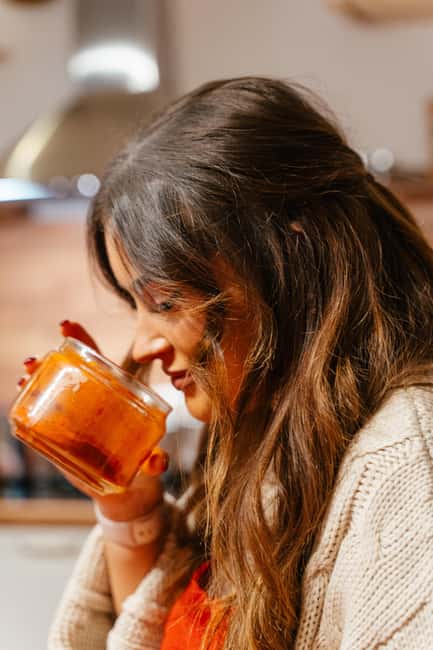
The recipes come from family kitchens and are described as having been passed down through generations. That detail gives the class its character. You are not just learning the most marketable dish; you are learning food connected to the hosts’ mothers and grandmothers.
George, also referred to as György, receives especially warm praise for combining cooking instruction with conversation about Hungarian culture, education, food, and daily life. Marcell is also praised as a patient guide and mentor. Emese is noted for knowing the best market stops and explaining local history and food, while Kinga is valued for keeping the group organized.
The teaching style appears to be practical. You roll up your sleeves, prepare the food together, and then eat what you have made. The value is not in advanced restaurant technique. It is in learning how Hungarian home cooking works and picking up small tips you can use later.
That makes the class a good match for curious home cooks, including people who already take cooking classes in other cities. It is also suitable for beginners because the mood is friendly and the emphasis is on participation, not performance.
You should not expect a certificate, professional kitchen equipment, or a highly technical chef demonstration. The appeal is the personal setting and the chance to ask questions while the food is being prepared.
Wine, pálinka, and the meal at the end
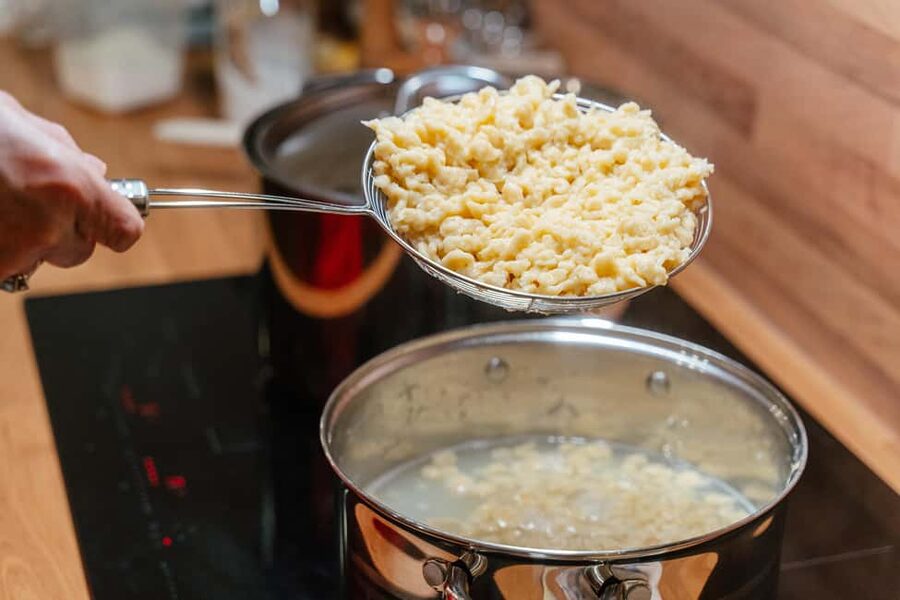
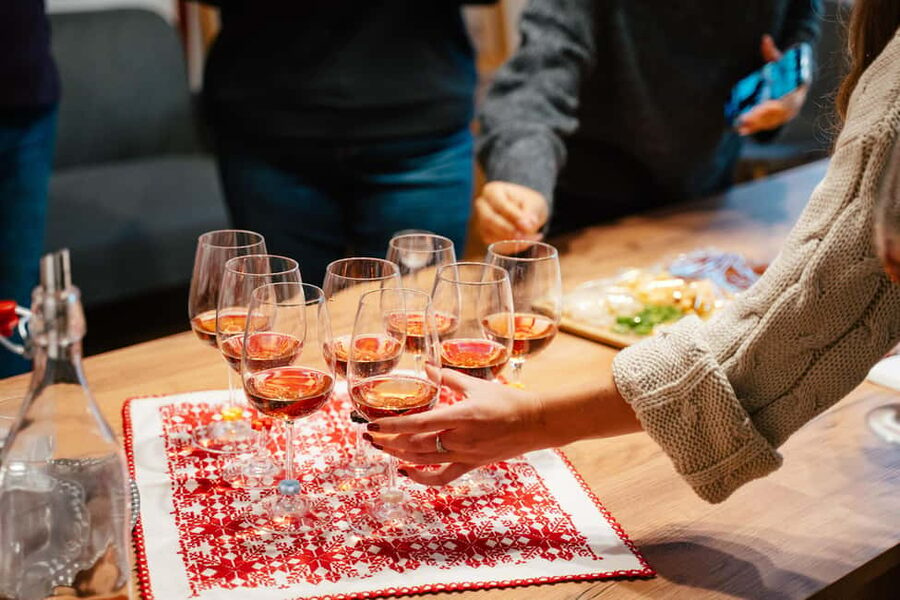
Drinks are part of the experience rather than an optional extra. Hungarian wine, pálinka, and snacks are included, and the meal follows the cooking session.
This helps explain the $98 price. You are paying for roughly four hours that combine a guided market visit, tastings, ingredients, instruction, appetizers, alcoholic drinks, the finished meal, recipes, and local advice. If you were to pay separately for a market tour, a substantial meal, several tastings, and a cooking lesson, the total would likely feel reasonable.
The best value comes if you take part fully. Someone who only wants to eat Hungarian food will find cheaper options across Budapest. Someone who wants a meal plus a personal introduction to local ingredients gets considerably more for the money.
The social element also adds value. You share the table with the other people in the class, compare cooking experiences, and learn about Hungary through ordinary conversation. Several people describe the atmosphere as one of the highlights of their time in Budapest.
Alcohol deserves a practical note. Wine and pálinka are included, so pace yourself, especially if you are not accustomed to strong spirits. The food helps, but the afternoon is still more enjoyable when you treat the drinks as tastings rather than a drinking contest.
Recipes, souvenirs, and advice for the rest of Budapest
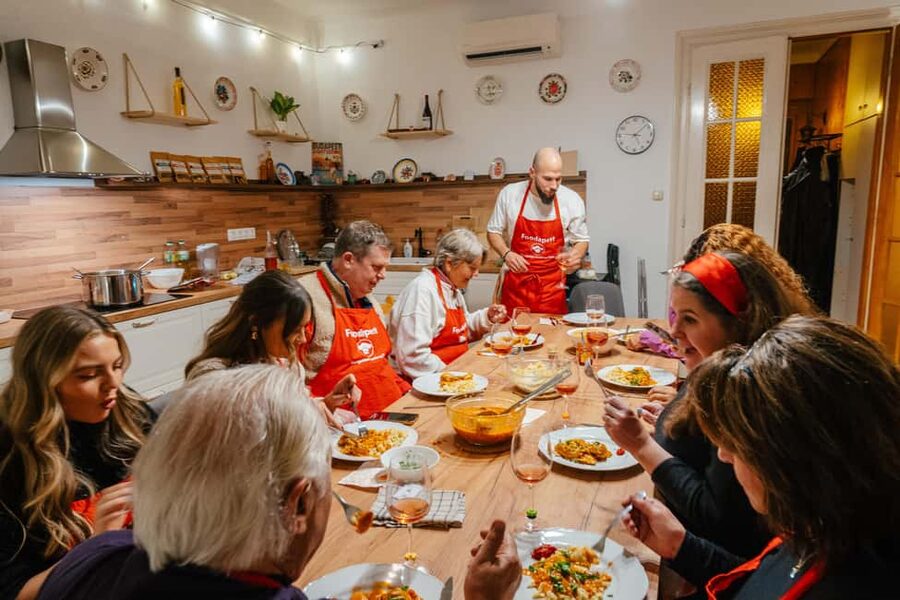
You receive a collection of Hungarian recipes, which is one of the most useful take-home parts of the class. The recipes give you a way to repeat the meal after returning home, and chicken paprikash is a sensible first attempt for many home cooks.
A surprise souvenir is included as well. The exact item is not specified, so do not book the class expecting a particular product. You can also ask for tips on buying souvenirs at the market.
The hosts provide recommendations for the rest of your stay in Budapest. These suggestions can be especially useful early in a visit, when you are still deciding where to eat and what parts of the city to explore. If this class is scheduled near the start of your trip, keep a note on your phone for restaurant, market, and food advice.
The activity ends back at the original meeting point. That makes the Central Market Hall a practical place to begin or continue your day, though the experience itself takes four hours, so allow enough time before any fixed evening plan.
Who will enjoy this Foodapest experience most?
I would recommend it most strongly to:
- First-time visitors who want a friendly introduction to Hungarian food.
- Solo visitors who like meeting people through a shared activity.
- Couples who want more than a restaurant meal.
- Families with older children who can take part in kitchen tasks.
- Home cooks who want recipes they can repeat.
- Vegetarians, vegans, and people with halal requirements who notify the host in advance.
It may be less suitable if you dislike group activities, do not want to drink alcohol, or prefer a tightly timed culinary demonstration. The apartment and communal format are central to the experience, not minor details.
The class is taught in English. The guides are praised for clear conversation and friendly instruction, but anyone seeking a lesson in another language should choose a different activity.
Booking details that matter
The cost is $98 per person, and the duration is four hours. Starting times depend on availability, so check the schedule before arranging other plans.
The meeting point is outside the main entrance of the Central Market Hall, by the yellow tram stop. Look for the guide with the brown market basket. The activity returns to that meeting point at the end.
You can reserve now and pay later, which helps if your Budapest schedule is still changing. Free cancellation is available up to 24 hours in advance for a full refund.
Most important, send dietary restrictions and your preferred main dish before the class. The meal information names chicken paprikash, goulash, and stuffed cabbage rolls, while the broader description also lists mushroom paprikas and lecsó. Confirming the current menu is sensible, especially for vegetarian, vegan, halal, or allergy-related needs.
Should you book the Budapest cooking class?
Book it if you want to understand Hungarian food through people, ingredients, and a shared table. The market walk gives you context, the apartment makes the class personal, and the family recipes give you something useful to take home.
I would not choose it for a quick market visit or a polished restaurant-style cooking show. But at $98, the combination of four hours, tastings, appetizers, drinks, a full meal, recipes, and local advice is strong value for anyone who enjoys food and conversation.
George, Marcell, Emese, and Kinga each bring a friendly, personal touch to the experience. If you want a warm introduction to Budapest’s cooking traditions, this is one of the better ways to spend an afternoon.
FAQ
Where does the Budapest cooking class begin?
It begins outside the main entrance of Budapest’s Central Market Hall, beside the yellow tram stop. The guide carries a brown market basket.
How long does the experience last?
The experience lasts four hours. Starting times vary, so check availability when booking.
Where does the activity end?
The activity ends back at the original meeting point outside Central Market Hall.
What dishes can I prepare?
The available choices include chicken paprikash, beef goulash stew, mushroom paprikas, and lecsó. Stuffed cabbage rolls are also listed among the possible meal preferences, so confirm the current choices in advance.
Are vegetarian or vegan meals available?
Yes. Mushroom paprikas or lecsó can suit vegetarians and vegans. You should provide your dietary information beforehand.
Can halal ingredients be provided?
Yes. Halal ingredients can be arranged upon request, but you need to notify Foodapest in advance.
What is included in the price?
The price includes the communal cooking class, guided market tour with tastings, Hungarian cold cuts, cheeses and meats, local wine, Hungarian spirits, recipes, local recommendations, and a surprise souvenir.
More Walking Tours in Budapest
- Budapest: Buda Castle Walk with Saint Stephen’s Hall
★ 4.5 · 3,012 reviews - Big Bus Budapest Hop-On Hop-Off Bus and Walking Tour
★ 3.5 · 2,206 reviews - Budapest: Buda Castle District Walking Tour
★ 4.6 · 2,108 reviews - Budapest City Landmarks Walking Tour in 2 Hours
★ 5.0 · 2,048 reviews
Just added in Budapest
- Budapest: Private Walking Tour with a Local Guide★ 3.6 · 6 reviews
- Budapest: Danube River Views Bike Ride★ 4.8 · 23 reviews
- Budapest: City Bike Tour with Coffee Stop★ 5.0 · 37 reviews
- From Budapest: Guided Tour of Eger with Wine Tasting★ 4.5 · 6 reviews
- Walk to recent and aged spiritual sanctuaries near Budapest★ 5.0 · 5 reviews
- Walking consultancy with alternative psychologist and author★ 5.0 · 2 reviews
- Budapest: Guided Tour of the Parliament Building in Spanish★ 4.6 · 1,240 reviews
- Budapest: 3-Hour Trabant Sightseeing Tour★ 4.7 · 28 reviews
Cooking Classes, compared.
Budapest Cooking Class & Market Tour with Local Guide & Wines
Read our review →
Premium Hungarian Home Cooking Experience with Chef Marti
Read our review →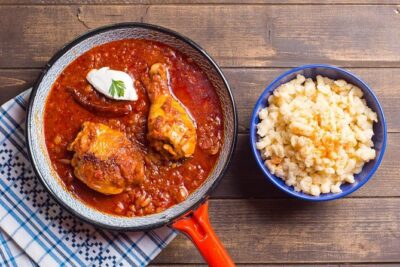
Hungarian Cooking and optional Local Market Tour
Read our review →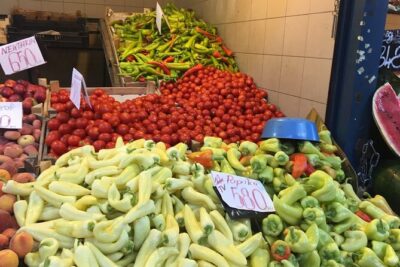
Easy Cooking Class Budapest – with Market Walk (local wine & pálinka included)
Read our review →
Budapest TukTuk Private Tour with Goulash Soup in the Downtown
Read our review →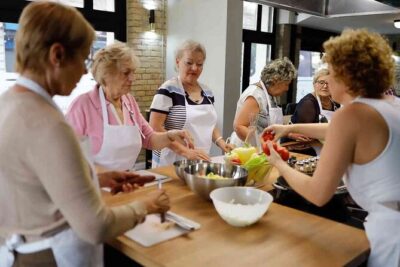
Browse the lists this tour appears in