
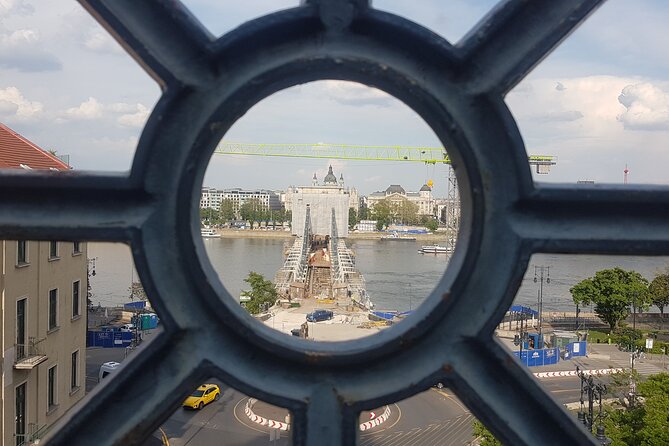
REVIEW · BUDA CASTLE AND CASTLE DISTRICT TOURS
Budapest: Castle District Walking Tour
History climbs uphill here. This two-hour walk makes Buda Castle Hill easier to understand, guiding you through royal courtyards, church towers, public art, and sweeping views over the Danube. I like the story-led route, which links Budapest’s wars, occupations, and daily life instead of treating the Castle District as a string of pretty buildings. I also like the practical advice at the end, especially tips on free viewpoints, food, and other places to visit.
The main catch is the climb. You should expect roughly 10 minutes uphill, along with stairs and uneven sections. The $2.27 charge is unusually low, but it is a booking and administration fee rather than the full cost of the experience. Guides rely on tips, with most people giving around €10 per person, so budget for that if you want to support the guide properly.
In This Review
- Key points to know before you go
- Starting at Batthyány tér with the best first view
- The Royal Palace and 800 years of change
- Matthias Church, symbols, and the stories behind the stone
- Fisherman’s Bastion and the Danube panorama
- Churches, towers, and the quieter corners of the district
- Beneath Castle Hill: caves, labyrinths, and defense
- Baroque homes and the life of ordinary residents
- Timing, group size, and the real cost
- Who should book this Castle District walk?
- Should you book the Budapest Castle District Walking Tour?
- FAQ
- Where does the Budapest Castle District Walking Tour start?
- How long does the tour last?
- What language is the tour offered in?
- Which major sights are included?
- Is the tour suitable for wheelchair users?
- How much should I tip the guide?
- Can groups of eight or more book this tour?
Key points to know before you go
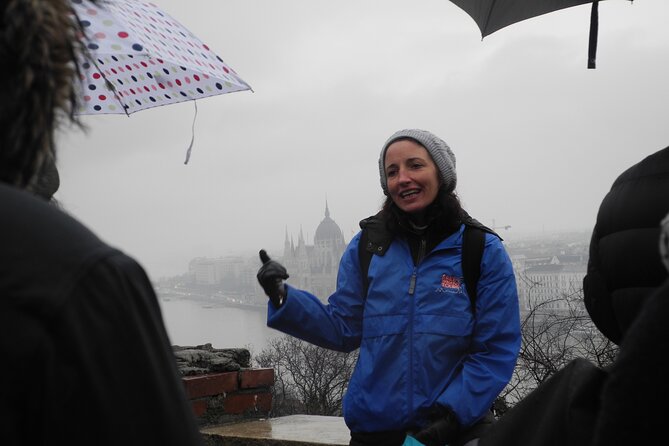
- A two-hour overview of Buda Castle Hill: The route takes in the Royal Palace, Matthias Church, Fisherman’s Bastion, churches, terraces, and other important sites.
- A history tour with plenty of human detail: You hear about German, Jewish, and Hungarian life in the district, not only kings and battles.
- Expect hills and stairs: The uphill approach can be tiring, and the route is not suitable for wheelchair users.
- Meet at Batthyány tér: Find the metro exit near St. Anna Church and look for a guide holding a royal blue flag.
- English only, with groups capped at 30: Groups of eight or more cannot book, even if they reserve separately.
- The price needs explaining: The small booking fee secures your place, while tipping is expected as the guide’s main payment.
Starting at Batthyány tér with the best first view

The meeting point is easy to identify if you know what to look for: Batthyány tér metro exit, about 15 meters from St. Anna Church, where the guide holds a blue flag. This is a useful starting point because you are already on the Buda side of the Danube, with the Castle Hill rising nearby.
The area around the meeting point has public toilets and a food market. That matters on a walking tour, especially if you arrive early or need water before the climb. Bring a bottle, wear shoes with a firm grip, and check the weather before leaving. The tour runs outdoors, and one guide, Gary, kept the group engaged even in the rain, but wet stone and stairs are still worth taking seriously.
The uphill section takes about 10 minutes. It is not described as a demanding hike, but several people found the climb and stairs harder than expected. Rita was praised for giving the group time to catch up, and András also paused so nobody was left behind before the next explanation began. That is reassuring, though you should still be honest about your fitness.
More of the Castle District:
- Budapest: Buda Castle Cave Tour
★ 4.7 · 5,677 reviews - Budapest: Buda Castle District Vampires and Myths Night Tour
★ 4.6 · 3,830 reviews - Budapest: Buda Castle Walk with Saint Stephen’s Hall
★ 4.5 · 3,012 reviews
The Royal Palace and 800 years of change
Buda Castle Hill has been shaped by around 800 years of conflict. The tour uses the Royal Palace as a way into that long story, explaining how the residence of Hungarian kings was rebuilt several times after war damage.
That repeated rebuilding is one of the most useful things to understand here. The Castle District is not a perfectly preserved medieval town. It is a place altered by royal ambition, Ottoman rule, later political power, and the severe destruction of the Second World War. Once you understand that, the mix of styles makes more sense.
You also learn about the mythical bird associated with Hungary, as well as the modern political role of the hill. The offices of the president and prime ministers are located in the district, so this is not only a historic quarter. It remains a working center of national power.
The guide’s job is especially useful at the palace because the scale can be confusing. Rather than simply pointing out a grand building, the commentary explains what it represented, who used it, and why it had to be rebuilt. Odea was praised for presenting a thousand years of Hungarian history in a clear order, while Udit received similar praise for explaining dates and major events without losing the group.
Matthias Church, symbols, and the stories behind the stone
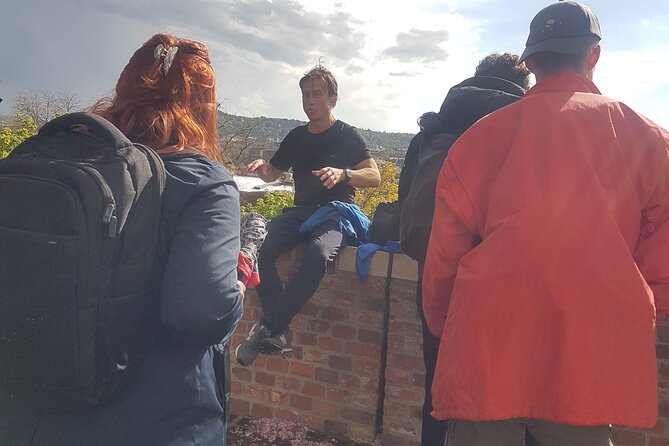
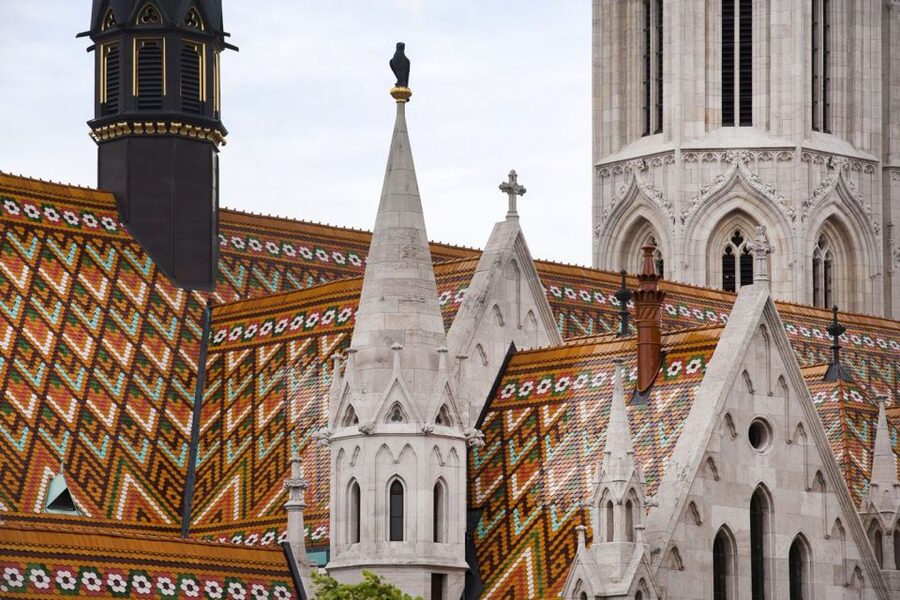
Matthias Church is one of the major stops, and it gives the tour a chance to explain religious and national symbols. You learn about the difference between a cross with one, two, or three horizontal strips, an unusual detail that helps you notice signs and monuments elsewhere in Hungary.
The tour also brings in everyday life around the church and nearby residential buildings. You are not limited to royal ceremonies. The guide discusses the German, Jewish, and Hungarian communities that lived in the district, giving the old streets a more personal meaning.
A particularly valuable stop is the Medieval Jewish Prayer House. It provides a direct link to the Jewish community that once lived in the Castle District, and the surrounding baroque residential buildings help you picture the neighborhood beyond its official monuments.
The Second World War receives serious attention. You learn about the destruction that hit the area and where the Nazi stronghold was located. This part may feel sobering, but it prevents the Castle District from becoming a polished postcard with the difficult parts removed.
Fisherman’s Bastion and the Danube panorama
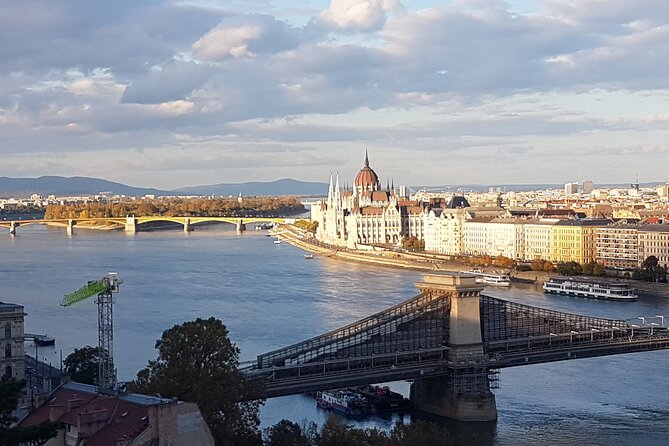
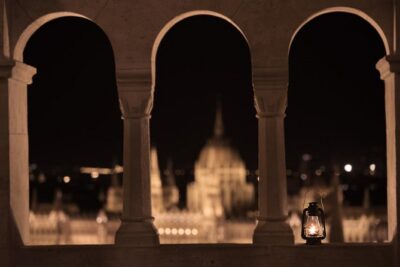
Fisherman’s Bastion is the obvious photo stop, and the tour gives you time to see why it is so popular. From its terraces, you get a broad view across the Danube toward Pest, with Budapest spread out on the opposite bank.
The guide also explains the connection between Walt Disney and Fisherman’s Bastion. That detail adds a light touch to an otherwise complicated history and gives you a fresh way to look at the towers and terraces.
This is also where the tour’s route planning pays off. The guide knows which terraces offer free views and helps you avoid spending time searching for the best angle. You should not expect a long period of independent sightseeing at every stop, though. One person specifically wished for more free time at the top of the castle, so bring your camera out as the group moves rather than waiting until the very end.
The views are one of the strongest reasons to book this walk. You see the river, the Pest side, and the relationship between the two halves of the city. The guide’s explanation adds context to what you are looking at, so the panorama becomes more than a quick photograph.
More walking tours in Budapest:
- Big Bus Budapest Hop-On Hop-Off Bus and Walking Tour
★ 3.5 · 2,206 reviews - Budapest: Buda Castle District Walking Tour
★ 4.6 · 2,108 reviews - Budapest City Landmarks Walking Tour in 2 Hours
★ 5.0 · 2,048 reviews - 3-Hour Orientation Walking Tour of Buda and Pest
★ 4.8 · 1,834 reviews
Churches, towers, and the quieter corners of the district
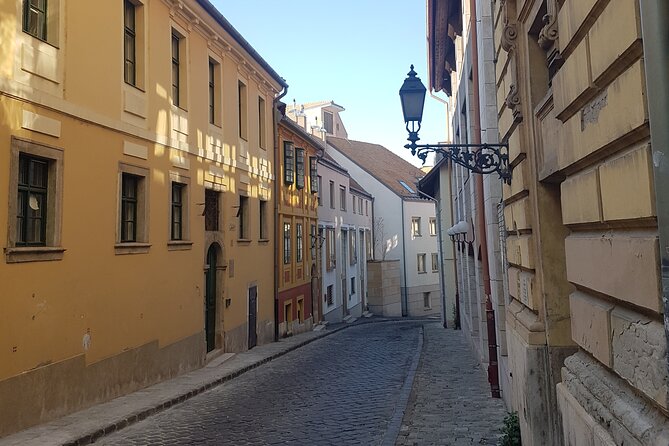
The main sights are only part of the route. The walk includes the Maria Magdalena Church Tower and other important buildings, along with lookout terraces and small public art monuments scattered around the streets.
These smaller stops keep the tour from feeling like a standard palace-and-church circuit. You hear about the former church, the district’s changing populations, and the role of symbols in Hungarian culture. The guides also point out some of Budapest’s funniest public statues and explain the huszar, the light cavalry fighter known for bold dress, military skill, and a reputation as a womanizer.
There is a playful side to the tour, with tricky questions about landmarks and Hungarian life. That format seems to work well for people who prefer a walk with conversation rather than a nonstop lecture. Boulash, Gary, Rita, Judith, Sofie, Charlotte, and Odea were all praised for humor, warmth, or an ability to keep people involved.
Guide quality can vary in any tour with several possible leaders, but the pattern here is encouraging. Names that come up repeatedly include Boulash, Rita, Gary, and Odea. The strongest praise focuses on clear explanations, patience with slower walkers, useful restaurant suggestions, and a friendly manner.
Beneath Castle Hill: caves, labyrinths, and defense
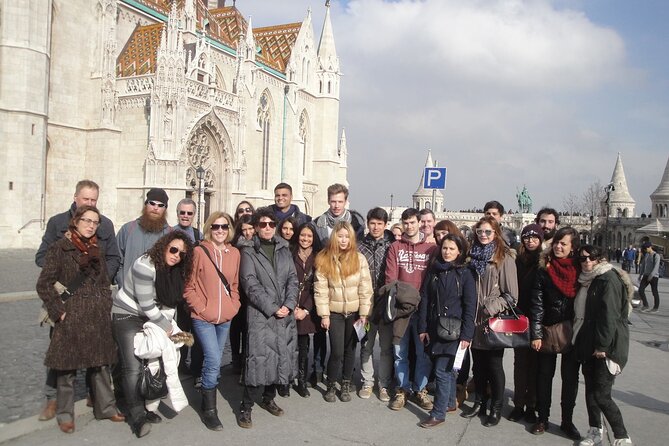
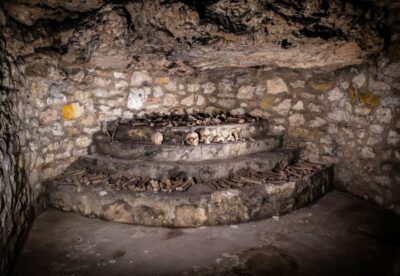
One of the more unusual subjects is the underground life of Castle Hill. The tour discusses caves and labyrinths beneath the district, including their use in defense over the centuries.
You should be clear about what this means. The walk is a discussion and viewing experience, not a separate underground cave excursion. You learn how the underground spaces affected the hill’s military role and why the area was useful during conflict.
That detail helps explain the hill’s importance. Its value was not only the palace above ground. The position, stone, tunnels, and defensible streets all mattered during wars and occupations. If you enjoy military history, this part gives the district extra depth.
The guide also covers Gül Baba, the Ottoman Turkish monk and soldier, and the Muslim pilgrimage site connected with him. This is another reminder that Budapest’s history does not fit into a single national or religious story. The Castle District has been shaped by several communities and rulers.
Baroque homes and the life of ordinary residents
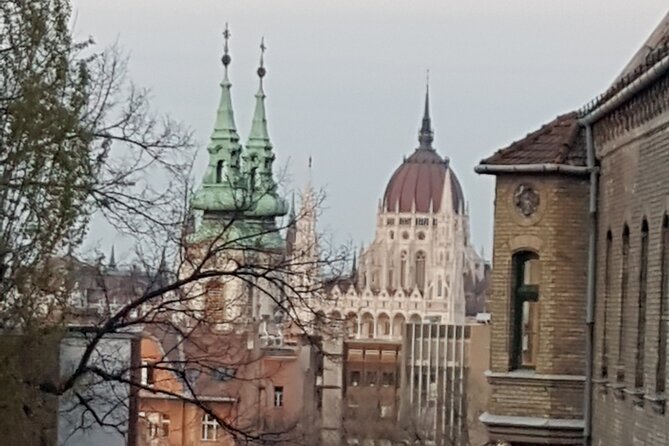
The grand buildings get attention, but the residential streets may be the most revealing part of the walk. Around the Medieval Jewish Prayer House, you see beautiful baroque homes and hear about the people who lived in them.
The guide explains where wealthy Hungarians live today and how different parts of the district serve different roles. That balance between official buildings and private life makes the walk feel grounded. You are not just looking at façades. You are learning how the area functioned as a neighborhood.
I value this part because it gives you useful context for later wandering. After the tour, you can return to streets that first seemed decorative and notice the layers of use, damage, restoration, and residence. The tour does not require you to memorize every date. It gives you a framework for reading the district on your own.
Timing, group size, and the real cost
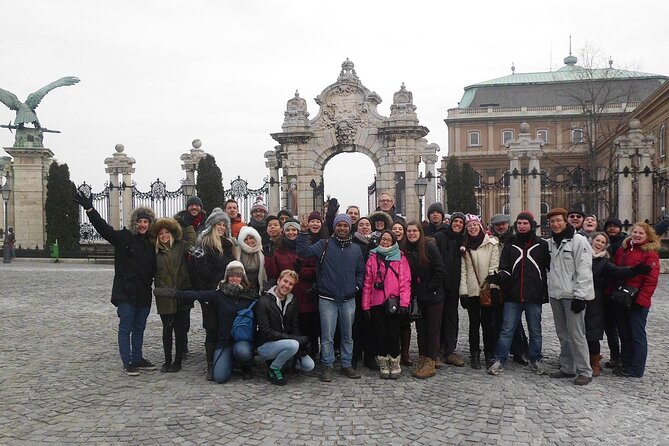
The walk lasts two hours and is offered in English. Starting times vary, so check availability for the date you want.
The advertised $2.27 per person is best understood as a reservation fee paid to GetYourGuide for administration and marketing. It is not the guide’s full payment. The company asks you to tip at the end, and the usual amount is about €10 per person, with some people giving more.
That makes the total cost much higher than the headline figure, but it can still be good value. For roughly two hours, you get a planned route through the Castle District, historical interpretation, photo viewpoints, and time for questions. If you explored alone, you could see the main sights, but you might miss the links between them or spend time working out the route.
The group limit is 30 people. That is not a small private walk, so you may need to stand close to hear in busy spots. Groups of eight or more are not permitted to book, either together or through separate reservations. This is important for families, school groups, and larger parties.
The tour ends back at Batthyány tér. That makes it easy to continue with the nearby market or public transport, and you can ask final questions before leaving. Guides often offer suggestions for restaurants and other Budapest sights, so keep a note on your phone for recommendations.
Who should book this Castle District walk?
I would choose this tour if you are visiting Budapest for the first time and want a clear introduction to Buda Castle Hill. It is also a good fit if you like history explained through stories, symbols, and local details rather than a list of construction dates.
You will get the most from it if you can manage an uphill walk and several stairs. The route is not suitable for wheelchair users, and feedback about strollers is clear: the stairs can make the walk very difficult, especially when carrying a child or lifting the stroller. People with limited mobility should consider that carefully.
This is not the best choice if you want long stretches of quiet sightseeing on your own. The pace is designed to cover many sites in two hours, and one person wanted more free time at the castle. You can always return later for a slower look, but the tour itself is mainly about orientation and explanation.
The experience is designed for international visitors and may not suit Hungarian residents. English is the only listed language, so choose it only if you are comfortable following a history-heavy walk in English.
Should you book the Budapest Castle District Walking Tour?
Book it if you want a lively first look at Buda Castle Hill, especially with the Royal Palace, Matthias Church, Fisherman’s Bastion, Jewish heritage, Ottoman connections, war damage, caves, and river views all in one route.
The biggest strengths are the guides and the range of subjects. Gary, Rita, Boulash, Odea, Judith, and others were praised for humor, clear history, patience, and practical advice. The main warnings are the hills, stairs, group size, and the fact that the $2.27 fee does not replace a tip.
For a low upfront cost and a well-planned introduction, I think it is a sensible choice for active visitors. Wear good shoes, carry water, arrive at the correct metro exit, and treat the tip as part of the price. If you do that, the tour should give you a useful map of the Castle District before you return to explore your favorite corners at your own speed.
FAQ
Where does the Budapest Castle District Walking Tour start?
It starts at the Batthyány tér metro exit, about 15 meters from St. Anna Church. Look for a guide holding a royal blue flag.
How long does the tour last?
The walking tour lasts two hours. Starting times vary, so check availability for your chosen date.
What language is the tour offered in?
The live tour guide speaks English.
Which major sights are included?
The route includes Buda Castle and the Royal Palace, Matthias Church, Fisherman’s Bastion, Maria Magdalena Church Tower, lookout terraces, public art monuments, and other important Castle District buildings.
Is the tour suitable for wheelchair users?
No. The activity is not suitable for wheelchair users, and you should also be prepared for a 10-minute uphill walk and several stairs.
How much should I tip the guide?
The small booking fee does not represent the guide’s full payment. Most people tip about €10 per person, though you can give whatever amount you feel the tour was worth.
Can groups of eight or more book this tour?
No. Groups of eight or more cannot book, even if they reserve separately. The tour has a maximum group size of 30 people.
Just added in Budapest
- Budapest: Private Walking Tour with a Local Guide★ 3.6 · 6 reviews
- Budapest: Danube River Views Bike Ride★ 4.8 · 23 reviews
- Budapest: City Bike Tour with Coffee Stop★ 5.0 · 37 reviews
- From Budapest: Guided Tour of Eger with Wine Tasting★ 4.5 · 6 reviews
- Walk to recent and aged spiritual sanctuaries near Budapest★ 5.0 · 5 reviews
- Walking consultancy with alternative psychologist and author★ 5.0 · 2 reviews
- Budapest: Guided Tour of the Parliament Building in Spanish★ 4.6 · 1,240 reviews
- Budapest: Vacation Photographer to collect great memories★ 5.0 · 49 reviews
Buda Castle and Castle District Tours, compared.

Buda Castle District Vampires and Myths Night Tour
Read our review →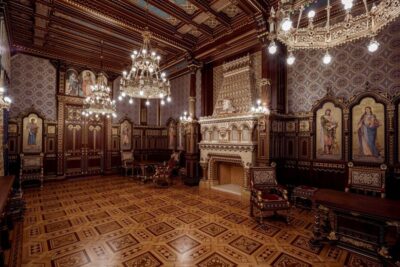
Buda Castle District Dark History, Legends and Vampire Night Tour
Read our review →
Buda Castle District Walking Tour with a Historian
Read our review →

Walking tour in the Buda Castle incl. Fisherman’s Bastion
Read our review →Browse the lists this tour appears in