
REVIEW · WALKING TOURS
Budapest: Walking Tour in German
Budapest rewards a good walk. I like the clear German guidance and the route’s fine mix of St. Stephen’s Basilica, the Chain Bridge, Buda Castle, and high city views. The main catch is that you will need four public transport tickets, costing 1,400 HU per person, to cross the Danube.
I also like the broad historical sweep, from the Hungarian conquest through recent democratic changes. Guides Ewa, Ursula, and Monika have each earned warm praise for clear storytelling and personal touches, but the three-hour tour covers a lot, so expect an overview rather than long visits inside every sight.
In This Review
- Key points at a glance
- Starting beside St. Stephen’s Basilica
- St. Stephen’s Basilica and the Pest side
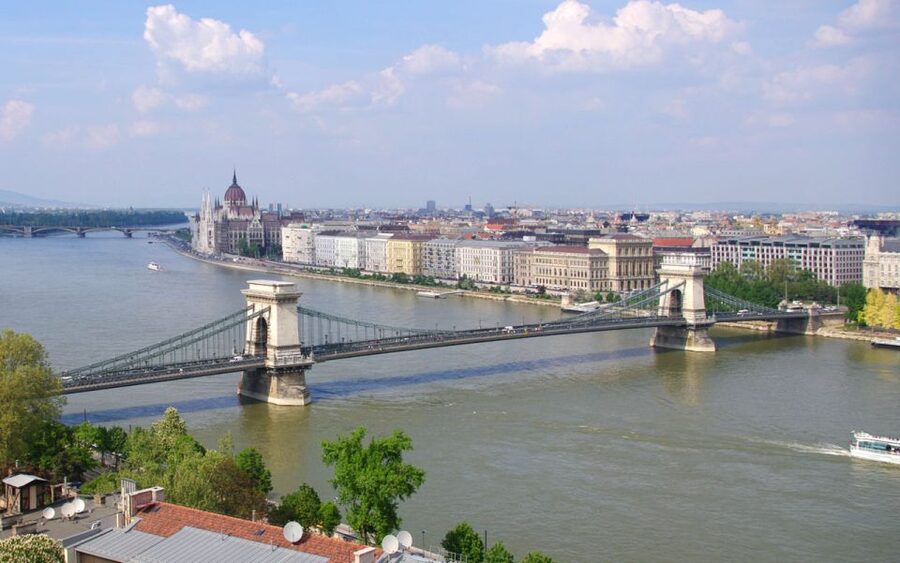
- The Chain Bridge and crossing the Danube
- Buda Castle and the Royal Palace
- Matthias Church and the Fisherman’s Bastion
- A thousand years of Hungarian history in three hours
- The views are part of the lesson
- How the price compares with the experience
- Who will enjoy this German walking tour?
- Practical details before you book
- Should you book it?
- FAQ
- How long does the Budapest German walking tour last?
- What language is the tour conducted in?
- Where is the meeting point?
- Does the tour include public transport?
- How many public transport tickets are needed?
- Which Budapest sights are included in the route?
- Are private or small-group bookings available?
- Can I cancel the tour for a refund?
Key points at a glance
- German-language guidance: A live local guide explains Budapest’s history and answers questions in German.
- A two-sided Budapest route: You begin in Pest, then use public transport to reach the Buda Castle area.
- Major landmarks in one walk: See St. Stephen’s Basilica, Parliament, the Chain Bridge, the Royal Palace, Matthias Church, and Fisherman’s Bastion.
- Strong personal guide element: Ewa, Ursula, and Monika have been praised for engaging explanations, warmth, restaurant advice, and even an occasional Hungarian song.
- Three hours with extra transport costs: The tour costs $41 per person, while four public transport tickets cost an additional 1,400 HU.
- Best for first-time visitors: You get a useful overview of Budapest’s story, layout, and main sights in a compact morning or afternoon.
Starting beside St. Stephen’s Basilica
The tour begins next to St. Stephen’s Basilica, in front of the California Coffee Company coffee shop. That is a useful meeting point because the basilica is one of central Budapest’s most recognizable landmarks, and the café gives you a clear place to look for your guide.
Arrive with enough time to find the exact spot. The tour is a walking experience, and the first section begins in the oldest parts of Pest. Comfortable shoes matter more than fashionable ones. You will spend much of the three hours outdoors, moving between city streets, bridges, squares, and the hilltop castle district.
A German-speaking guide leads the group throughout. The guide is not just there to point at buildings. The goal is to explain how Budapest developed and why the city’s political and architectural landmarks matter.
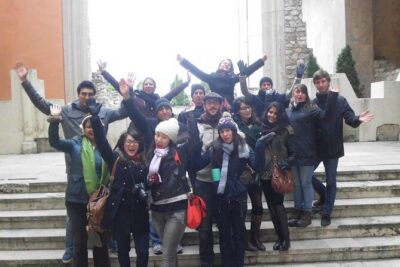
The guide names available for this experience include Ewa, Ursula, and Monika. Ewa has been praised for making the story interesting, while Ursula received especially strong personal praise from a group of nine friends. Monika was described as warm, fluent in German, and helpful with restaurant advice. Those details matter because a walking tour depends heavily on the person holding the group together.
More walking tours in Budapest:
- Budapest: Buda Castle Walk with Saint Stephen’s Hall
★ 4.5 · 3,012 reviews - Big Bus Budapest Hop-On Hop-Off Bus and Walking Tour
★ 3.5 · 2,206 reviews - Budapest: Buda Castle District Walking Tour
★ 4.6 · 2,108 reviews
St. Stephen’s Basilica and the Pest side
St. Stephen’s Basilica is a fitting place to begin. Its scale and detailed exterior give you an immediate sense of Budapest’s grand public architecture. The tour highlights the basilica as one of the city’s key sights, so you should expect an exterior introduction and historical explanation rather than assume that an interior visit is included.
From here, the route takes you through central Pest, also identified in the tour description as Leopold Town or Leopoldstadt. This part of Budapest offers a useful contrast to the old castle district across the river. Pest is the flatter, urban side of the capital, while Buda rises toward the castle hill.
You will also see the Hungarian Parliament. It is one of Budapest’s defining buildings and a major part of the city’s visual identity. The guide can place Parliament within the story of Hungary’s government and national life, making the building more than a photogenic stop.
The value of this first section is orientation. Budapest can feel spread across two very different sides of the Danube. Beginning in Pest helps you understand the city before you cross to Buda.
The Chain Bridge and crossing the Danube
The Chain Bridge is one of the tour’s most important connecting points. It links the Pest and Buda sides, and the crossing gives you a direct view of how the city is arranged around the river.
You should know that the entire transition to Buda is not made on foot. The tour uses public transport to cross the Danube, and four tickets per person are not included. The listed cost is 1,400 HU, so budget for that extra amount in addition to the $41 tour price.
This is a small but important practical detail. The tour is mainly a walking tour, but it is not a nonstop walk from beginning to end. Bring the needed transport tickets or be ready to purchase them locally. Since the exact starting time varies, check the available departure before booking your day around it.
The crossing also divides the experience naturally. Pest gives you major civic and religious landmarks. Buda then shifts the mood toward fortifications, royal buildings, medieval churches, and elevated views.
Buda Castle and the Royal Palace
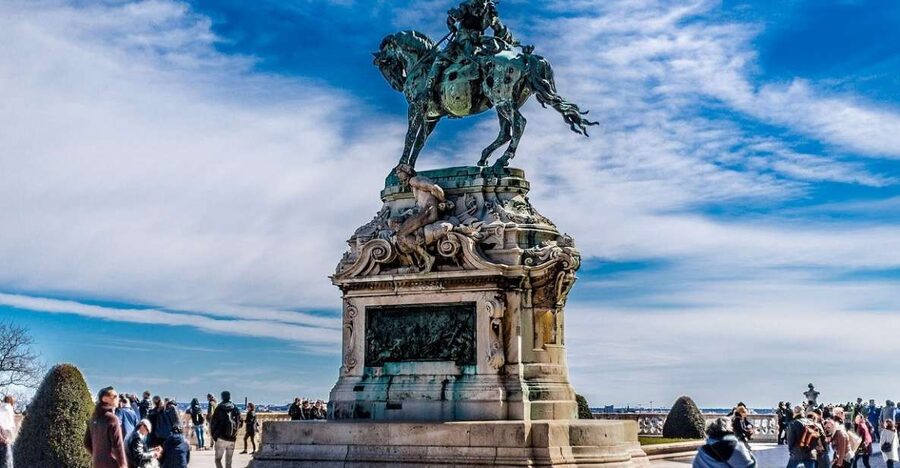
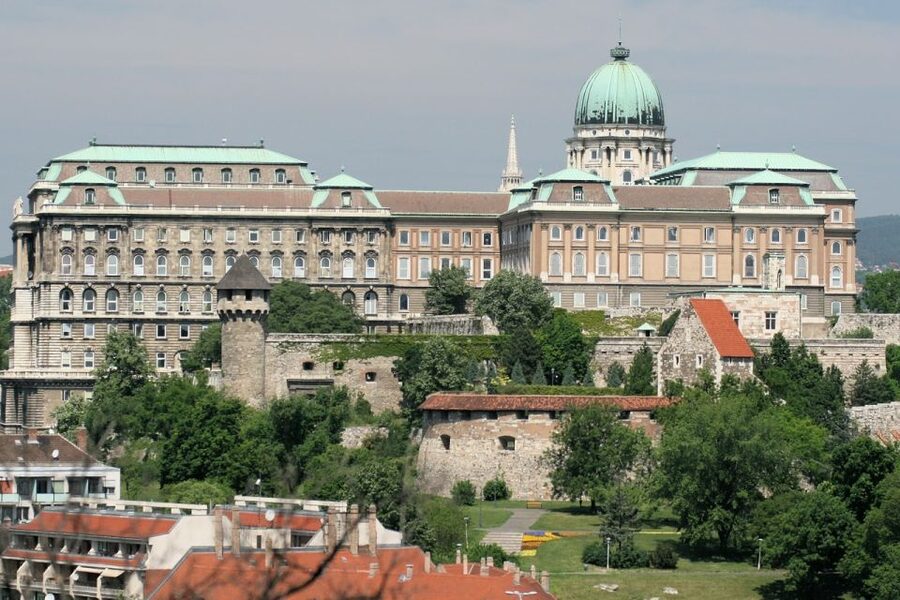
Once you reach the Buda side, the tour enters the castle area. Buda Castle is the historic heart of the hilltop district, and its fortified character helps explain why this part of Budapest feels so different from the broad streets of Pest.
The route includes the Royal Palace and the Castle Quarter. You will hear about the role of the castle in Hungary’s long political story, including the changes that shaped the country across roughly 1,100 years. The guide’s task here is to connect visible walls and grand buildings with the events that affected the Hungarian kingdom and modern Hungary.
Do not expect a museum-style visit with time spent in every room. The information provided describes a guided walk through the area, not admission to the palace or a private interior tour. The strength is the setting and the explanation. You see the buildings in relation to each other while the guide gives you the basic sequence of Hungary’s major turning points.
That makes this section especially useful if you are new to Budapest. You get the broad picture before deciding which castle museums or historic interiors deserve a separate visit.
More things to do in Budapest:
- Budapest: City Highlights Cruise with Welcome Drink
★ 4.6 · 35,610 reviews - Budapest: Unlimited Prosecco, Beer and Aperol Spritz Cruise
★ 4.8 · 25,310 reviews - Budapest: Széchenyi Spa Day Ticket with Optional Upgrades
★ 4.3 · 23,911 reviews - Budapest: Nighttime or Daytime Sightseeing Cruise
★ 4.2 · 21,062 reviews
Matthias Church and the Fisherman’s Bastion
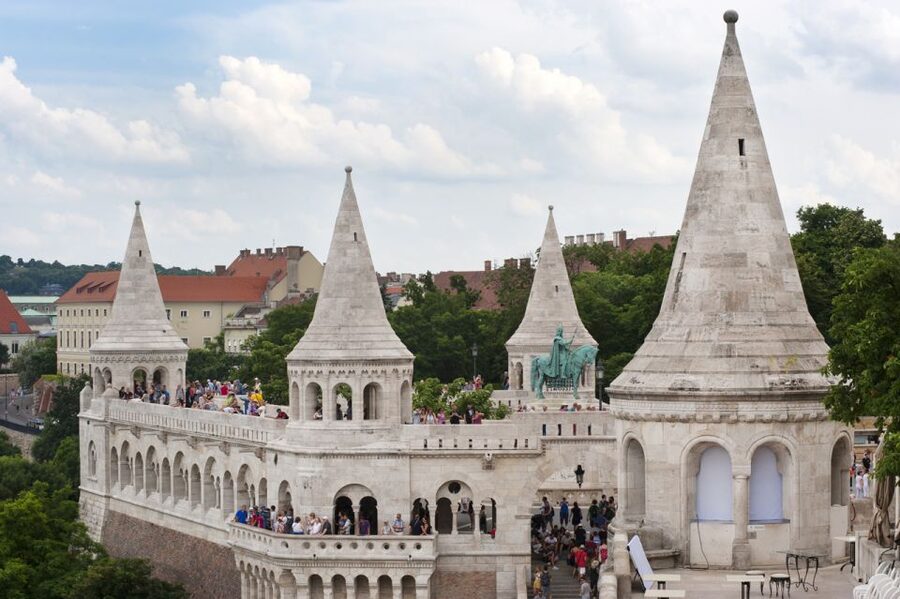
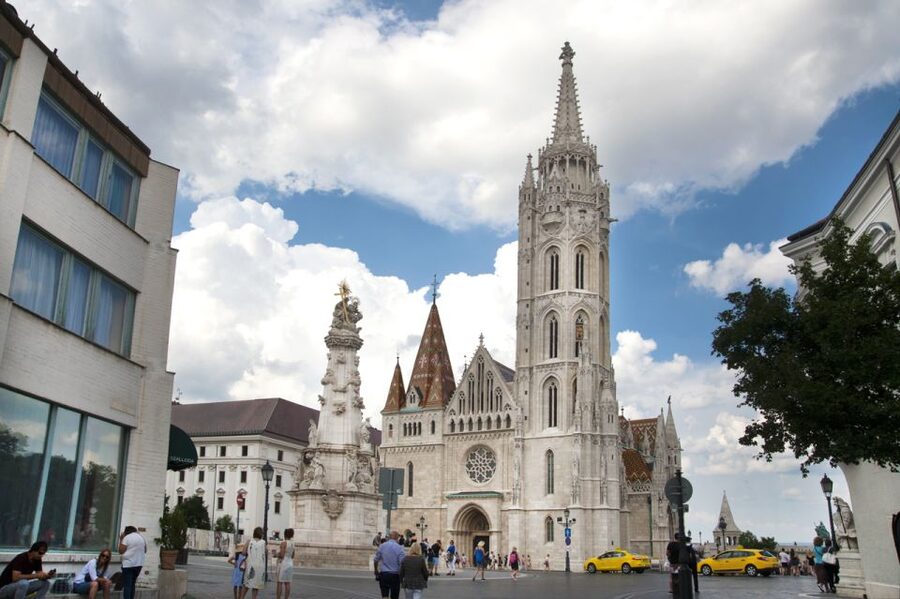
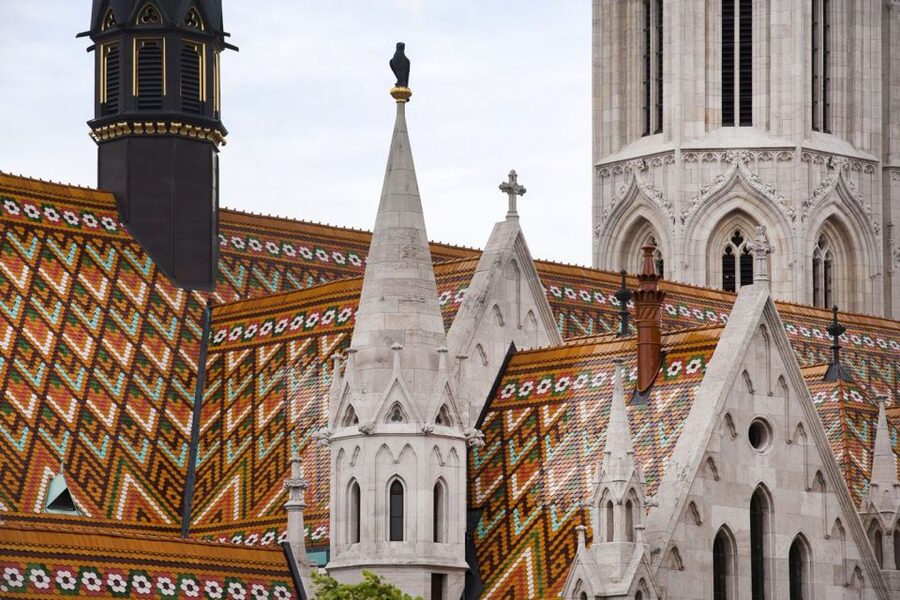
The Castle Quarter’s most memorable sights include Matthias Church and Fisherman’s Bastion. Matthias Church brings the Gothic side of Budapest into focus, with a style that feels markedly different from the grander nineteenth-century buildings in Pest.
The tour highlights the church as one of the central stops on the Buda side. Again, treat this as a guided sightseeing visit unless your booking specifically states that interior admission is included. The listed inclusion is a German-speaking guide, with no entry ticket mentioned.
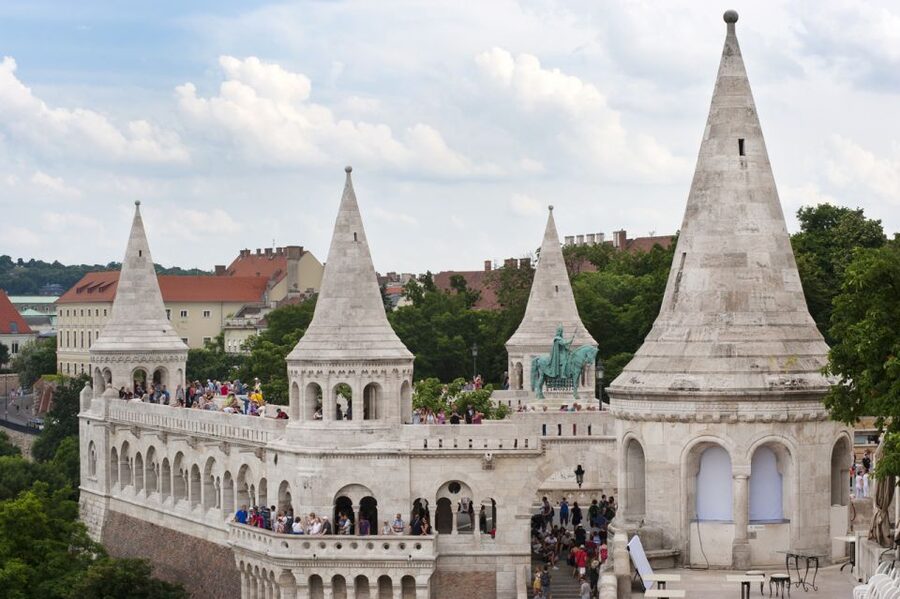
Fisherman’s Bastion is a major reason to take this route. Its terraces provide some of the finest views across the Danube toward Pest, Parliament, and the central city. The views are not an afterthought here. They are one of the tour’s main rewards, especially after the guide has shown you how the two halves of Budapest fit together.
The combination works well. Matthias Church gives you architecture and religious history. Fisherman’s Bastion gives you space, perspective, and photographs. You also get a chance to pause after the city walking and absorb the scale of Budapest from above.
A thousand years of Hungarian history in three hours
The historical scope is ambitious. You will hear about the conquest of the country, the development of the Hungarian kingdom, periods of conflict, and the most recent democratic changes. That is a lot to cover in three hours.
I see this as a strength for first-time visitors, as long as you keep your expectations sensible. You are not getting a university lecture or a detailed study of every era. You are getting a connected story that helps the city’s major sights make sense.
A good guide can turn a long timeline into memorable landmarks. Parliament links to government and national identity. The castle suggests royal power and defense. Matthias Church brings in medieval religious life. The bridges and river show how geography shaped the capital.
The German language is another real advantage for German-speaking visitors. Historical names and political events can be hard to follow in a second language, particularly when a guide is moving quickly through centuries. A fluent German explanation lets you ask questions and catch the smaller details.
The guide’s personality also matters. Ursula was praised for giving a group of nine friends varied and exciting information, and for singing a Hungarian song for them. That is not a guaranteed part of the tour, but it shows the kind of personal touch that can turn a standard city walk into a more memorable meeting with local culture.
The views are part of the lesson
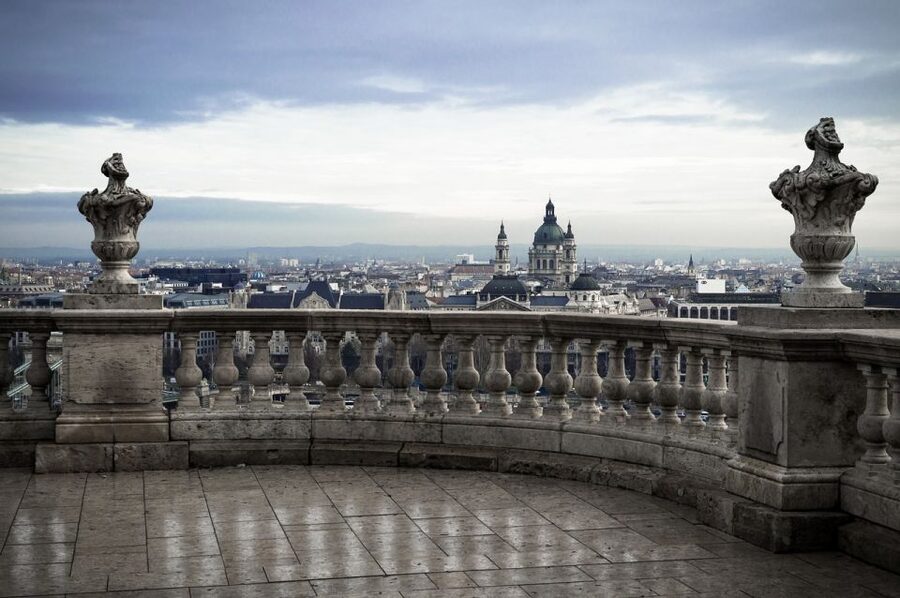
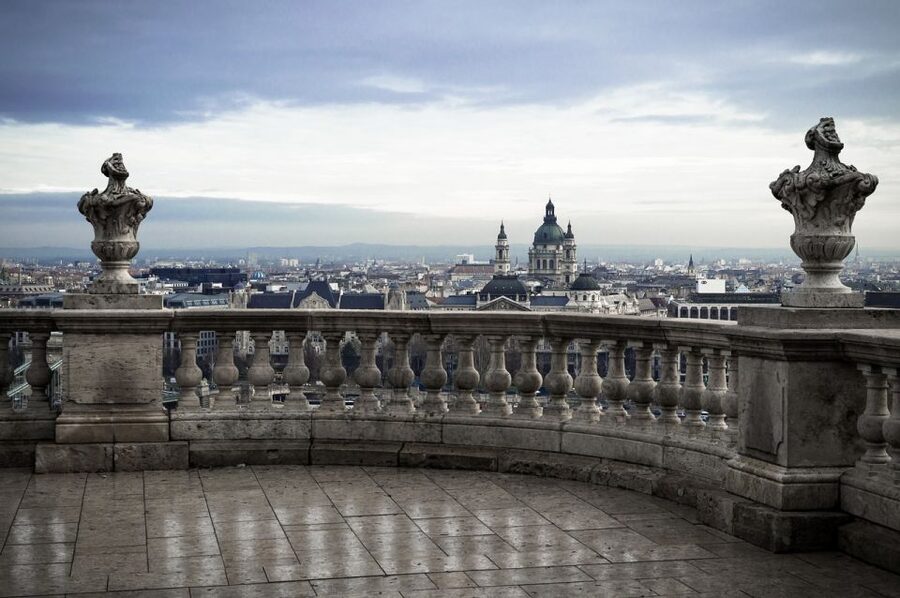
The tour promises Budapest’s most beautiful views, and the Buda section is where that promise matters most. From the castle area and Fisherman’s Bastion, you can look across the Danube toward Pest’s grand buildings and busy central streets.
These viewpoints help you read the city. You see the river as a dividing line and a link, not just as a scenic strip of water. You can also understand why the castle hill mattered so much historically. A high position gave rulers and defenders control over the surrounding city.
I would bring a camera, but I would also listen before taking photographs. The best value comes from knowing what you are looking at. Parliament, the Chain Bridge, the basilica, and the castle quarter are more rewarding when you can place them in Budapest’s larger story.
Weather will affect this part of the experience. The tour is outdoors for much of its duration, and the views are less enjoyable in rain or strong wind. The activity permits cancellation up to 24 hours in advance for a full refund, which gives you some flexibility if your plans change.
How the price compares with the experience
At $41 per person, this is not the cheapest way to see Budapest’s center. You also pay 1,400 HU per person for four public transport tickets. Still, the price can be reasonable if you want a German-language introduction led by a local guide rather than a self-guided walk.
The value comes from the route’s range. In three hours, you connect Pest landmarks with the Buda castle district, cross the Danube, hear a condensed history of Hungary, and reach several major viewpoints. If you tried to organize that first visit alone, you would need to plan the route, research the buildings, and work out the public transport connection.
The price makes more sense for private or small groups. The activity offers both options, although the exact group arrangement depends on your booking. A smaller group usually gives you more room to ask questions, while a private format may suit people who want a more personal pace.
There are limits. The tour does not list food, entry tickets, or public transport in the base price. You should also not book it expecting a long stop inside every major building. The product is best understood as a guided introduction to Budapest’s historic center, not a full museum tour.
Who will enjoy this German walking tour?
I would recommend it most strongly to German-speaking visitors who are seeing Budapest for the first time. The route covers enough ground to give you a clear first impression, and the guide can answer questions in your language as you go.
It also suits families and friends who want a shared overview without spending a full day on a formal historical program. The three-hour length is long enough to feel substantial but short enough to leave room for lunch, a museum, or an evening plan.
A private or small-group option may be particularly useful for a group like the nine friends praised for Ursula’s guidance. You can ask more questions and enjoy a less hurried exchange with the guide.
I would be cautious if you dislike hills, city walking, or outdoor sightseeing. The tour is mainly on foot, includes the castle area, and requires a public transport connection across the Danube. Shorts are not allowed, so dress with that rule in mind.
This is also not the right choice if your main goal is interior access. The listed inclusion is the German-speaking guide, and no admission to St. Stephen’s Basilica, Matthias Church, the Royal Palace, or other buildings is specified.
Practical details before you book
The tour lasts three hours, but starting times vary. Check the available departure before you book, especially if you have a train, dinner reservation, or another timed activity afterward.
Meet next to St. Stephen’s Basilica, in front of the California Coffee Company coffee shop. Since the meeting point is in central Pest, allow time to reach it and identify the guide before the scheduled start.
Bring or plan to buy four public transport tickets per person. The listed cost is 1,400 HU, and those tickets are needed because the route uses public transport to cross from Pest to Buda.
Wear comfortable shoes and clothing suitable for outdoor walking. Shorts are not allowed. The tour is offered in German, and you can choose a private or small-group format when available.
The flexible booking terms are useful for a city break. You can reserve now and pay later, and cancellation is free up to 24 hours before the tour for a full refund. That is especially handy when weather or arrival plans are uncertain.
Should you book it?
Book this tour if you want a German-language first look at Budapest that covers both sides of the Danube. The combination of St. Stephen’s Basilica, Parliament, the Chain Bridge, Buda Castle, Matthias Church, Fisherman’s Bastion, and broad city views gives you a lot in three hours.
I would book it with the right expectations. You are paying for the guide’s explanations, route planning, and local perspective, not for a series of included admissions. Add the 1,400 HU transport cost, wear suitable clothes, and leave time for outdoor walking.
The strongest reason to choose it is the guide quality. Ewa’s clear storytelling, Ursula’s warm and memorable approach, and Monika’s useful restaurant advice suggest that the human side of the tour can be as valuable as the landmarks. With a 4.9 rating from 135 bookings, it is a strong pick for German-speaking visitors who want history, orientation, and good views without spending a whole day on a formal program.
FAQ
How long does the Budapest German walking tour last?
The tour lasts three hours.
What language is the tour conducted in?
The live tour guide speaks German.
Where is the meeting point?
Meet next to St. Stephen’s Basilica, in front of the California Coffee Company coffee shop.
Does the tour include public transport?
No. The tour uses public transport to cross the Danube from Pest to Buda, but tickets are not included.
How many public transport tickets are needed?
The information provided lists four tickets per person, costing 1,400 HU.
Which Budapest sights are included in the route?
The route includes St. Stephen’s Basilica, the Hungarian Parliament, the Chain Bridge, the Royal Palace, the President’s Palace, Buda Castle, the Castle Quarter, Matthias Church, and Fisherman’s Bastion.
Are private or small-group bookings available?
Yes. Private and small-group options are available.
Can I cancel the tour for a refund?
Yes. You can cancel up to 24 hours in advance for a full refund.
Just added in Budapest
- Budapest: Private Walking Tour with a Local Guide★ 3.6 · 6 reviews
- Budapest: Danube River Views Bike Ride★ 4.8 · 23 reviews
- Budapest: City Bike Tour with Coffee Stop★ 5.0 · 37 reviews
- From Budapest: Guided Tour of Eger with Wine Tasting★ 4.5 · 6 reviews
- Walk to recent and aged spiritual sanctuaries near Budapest★ 5.0 · 5 reviews
- Walking consultancy with alternative psychologist and author★ 5.0 · 2 reviews
- Budapest: Guided Tour of the Parliament Building in Spanish★ 4.6 · 1,240 reviews
- True Crime Walking Tour in the Buda Castle district★ 5.0 · 26 reviews
Walking Tours, compared.
Budapest City Landmarks Walking Tour in 2 Hours
Read our review →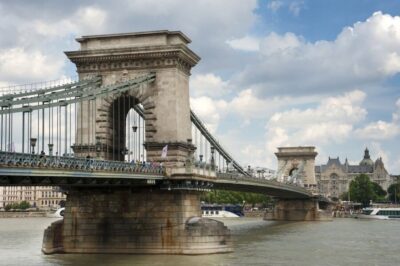
3-Hour Orientation Walking Tour of Buda and Pest
Read our review →
Budapest Historical Sightseeing – Free Walking Tour
Read our review →
Budapest All in One Small Group Walking Tour with Strudel Stop
Read our review →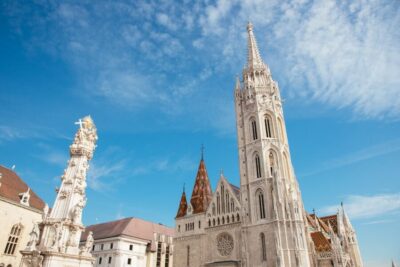
Buda Castle District Walking Tour with a Historian
Read our review →
BloodThirsty Hungary: Walking tour & Dark Historical Stories
Read our review →Browse the lists this tour appears in