
REVIEW · COMMUNIST HISTORY TOURS
Budapest: Communist History with a local guide
The past is still visible in Budapest.
This walking tour connects St Stephen’s Basilica, Liberty Square, Parliament, and Margaret Bridge with personal stories about Communist Hungary. I like the local focus, especially the link to the guide’s grandmother, who lived through a century of Hungarian history. I also like the mix of major sights, memorials, food stories, and the 1956 Revolution.
The main point to consider is the timing. The experience is described as two hours in one place and two and a half hours elsewhere, while the full schedule also includes a tram ride and a separate 1.5-hour visit to the House of Terror. You should confirm exactly what is included in your booked time.
In This Review
- Key points before you book
- Why Communist history changes the way you see Budapest
- Starting beneath St Stephen’s Basilica
- Liberty Square and the symbols of Soviet power
- Parliament and the drama of 1956
- Memorials, athletes, and the people behind the politics
- From Margaret Bridge to a short wine tasting
- The House of Terror creates a timing puzzle
- What $56 buys you in Budapest
- Who will enjoy this walk most
- Practical advice for a smoother visit
- Should you book this Communist history tour?
- FAQ
- Where does the tour start?
- Where does the tour finish?
- How long does the experience last?
- Is the tour conducted in English?
- How much walking is involved?
- Is the tour wheelchair accessible?
- Is food or drink included?
Key points before you book
- Personal family stories: The guide explains Communist life through stories connected to a grandmother who lived through the 20th century.
- Liberty Square is the main stage: You spend about an hour examining Soviet symbols, propaganda, and the changes that followed the fall of Communism.
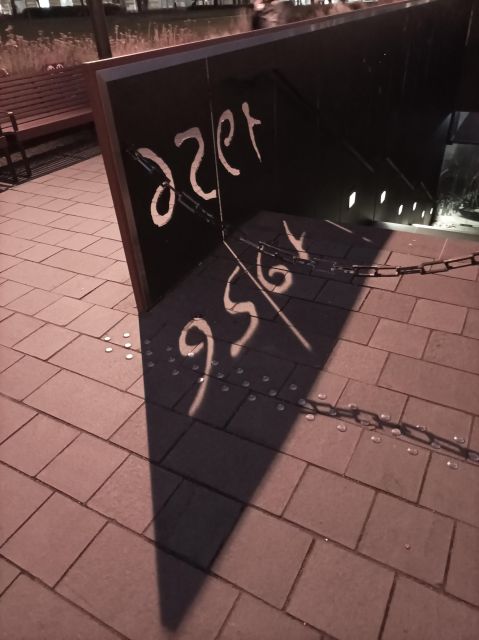
- The 1956 Revolution gets real attention: Parliament and the nearby memorial help explain the drama of Hungary’s uprising.
- A walking tour with public transport: Expect about 1.5 miles of walking, plus a tram ride.
- The route ends near Margaret Bridge: The tour finishes at Jászai Mari tér, after a short wine tasting listed near Margaret Bridge.
- Good value for history-focused visitors: At $56 per person, the price is strongest if you want interpretation and personal context rather than a basic city walk.
Why Communist history changes the way you see Budapest
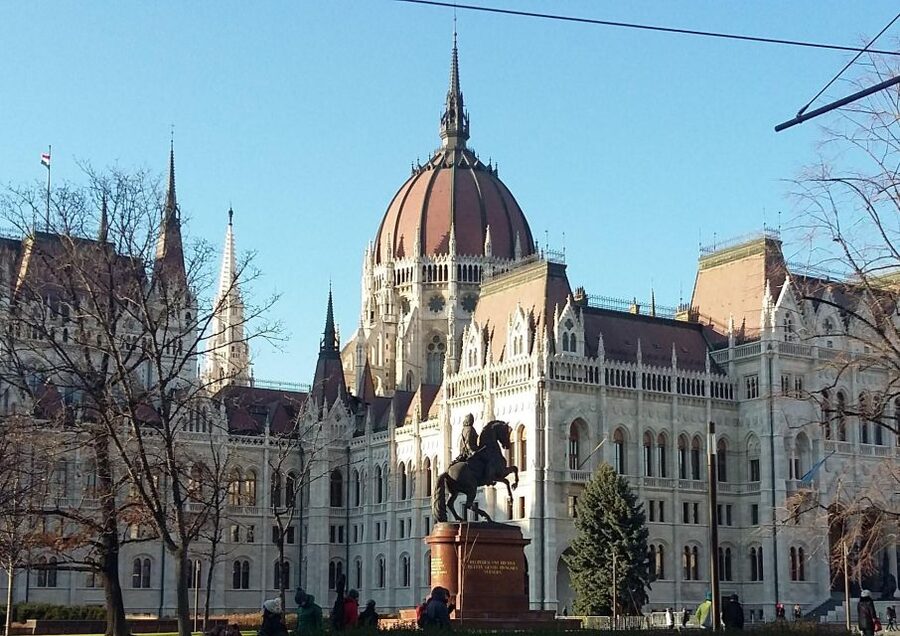
Budapest can look grand and old-world at first glance. The basilica, Parliament, river, and broad central squares make an easy sightseeing route. But the 20th century left a different layer beneath those handsome façades.
This tour is built around that layer. It deals with dictatorship, political terror, Soviet influence, propaganda, the 1956 uprising, and the lives of ordinary Hungarians. That matters because Communist history in Budapest is not confined to a museum. It appears in public squares, monuments, renamed streets, memorials, and family memories.
I like the fact that the guide is not presented only as a lecturer. The experience is meant to give you a local view of what it was like to grow up under Communism. Stories from the guide’s grandmother add a human scale to events that can otherwise feel like a list of dates and political names.
You should still expect a serious subject. This is not a light sightseeing stroll with a few red-era decorations added for color. The tour deals with terror, hardship, revolution, and the difficult gap between official propaganda and daily life.
More communist-era history tours:
- Budapest: Communist History Tour with House of Terror Option
★ 4.8 · 182 reviews - Communism in Hungary with a Historian
★ 5.0 · 70 reviews - Budapest: 3-Hour Walking Tour About Communism (Small Group)
★ 4.7 · 70 reviews
Starting beneath St Stephen’s Basilica
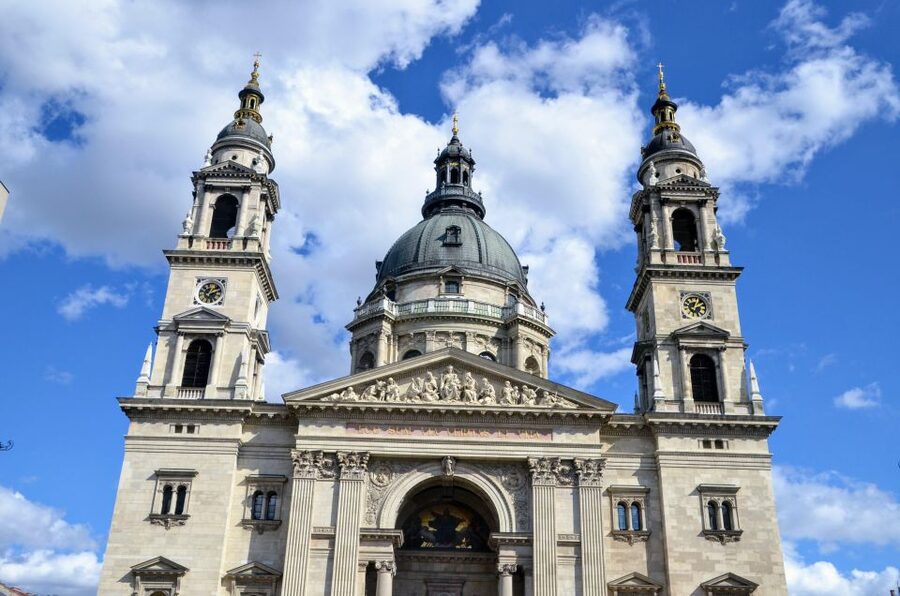
The meeting point is in front of St Stephen’s Basilica, where the guide waits with a sign. This is a sensible place to begin. The basilica is one of Budapest’s most recognizable buildings, and the surrounding streets are central and easy to reach.
The first guided stop lasts about 15 minutes. The tour then moves along October 6 Street, where the guide brings in the food stories of Communism. This is one of the more unusual parts of the walk. Instead of treating history as only monuments and speeches, the guide connects it with what people ate, how they lived, and how everyday life was shaped by the political system.
Those details can be more revealing than a grand political summary. A government can control newspapers and public speech, but people also experience it through shops, meals, shortages, routines, and family habits. The tour’s gastro-stories help bring that ordinary side into view.
The schedule also includes a 15-minute stop described as a lesser-known place. The exact location is not specified, so you should think of it as a short sightseeing pause rather than a major attraction. It gives the guide room to point out something you might otherwise pass without noticing.
Liberty Square and the symbols of Soviet power
Liberty Square, or Szabadság tér, is the central part of the tour. You spend about an hour here, walking and listening to the story behind its monuments and political symbols.
The square includes a Soviet memorial, along with statues and other reminders of the competing messages that shaped Hungary after the Second World War. The guide explains propaganda, official memory, and the difference between public slogans and private reality.
That is where the tour’s local approach should be most useful. A monument can look simple when you see it alone. Its meaning becomes more complicated when you learn who built it, what message it was meant to send, and how people later responded to it.
The tour also covers how the Wall came down. This gives the political story a wider European frame, but the emphasis remains on Budapest and Hungary. You are not simply given a general Cold War lecture. The goal is to show how major changes affected the city and its people.
Allow yourself time to look around while the guide speaks. Liberty Square has several points of interest close together, and the value of the stop lies in how they relate to one another. The hour may feel long if you prefer fast sightseeing, but it is useful if you want to understand the symbols instead of taking quick photographs and moving on.
Parliament and the drama of 1956
The route continues to Kossuth Lajos Square, the broad public space in front of Parliament. Here you get a guided visit and sightseeing stop of about 15 minutes.
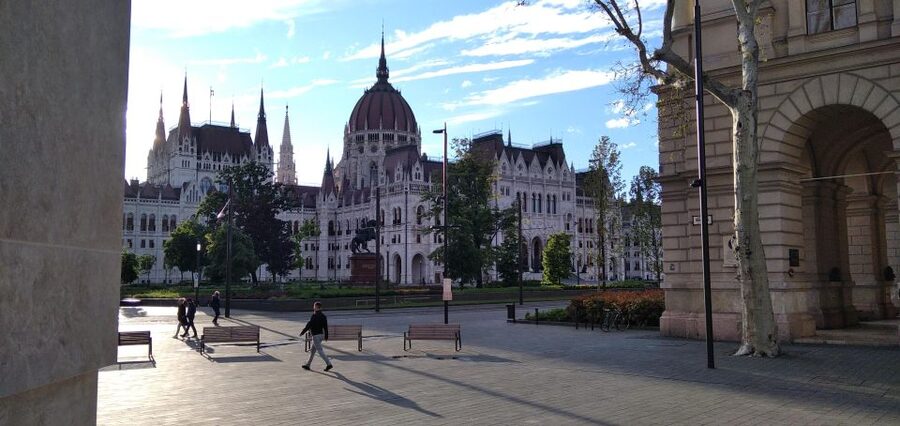
Parliament is one of Budapest’s great visual sights, but this tour asks you to look beyond its Gothic Revival exterior. The square is tied to political power, public gatherings, and the 1956 Revolution. The guide explains the drama of the uprising and the bravery of the people who challenged dictatorship.
The tour includes a visit to an exhibit connected with the 1956 Revolution. The supplied schedule does not specify the exhibit’s name or exact format, so confirm how this portion works when booking. It is listed as included, which adds value for anyone who wants more than an outdoor explanation.
The 1956 material is likely to be one of the strongest reasons to choose this experience. Hungary’s revolution is often reduced to a brief Cold War episode in general European tours. Here, it is a main subject. You hear about the revolutionists, the pressure of the dictatorship, and the hard years that followed.
The stop itself is short, so do not expect a full museum visit at Parliament. Think of it as a focused introduction, with the guide providing the political and human context.
More history tours in Budapest:
- Budapest: Historic Cruise with Welcome Drink
★ 4.7 · 6,512 reviews - Budapest Historical Sightseeing – Free Walking Tour
★ 5.0 · 1,302 reviews - Buda Castle District Dark History, Legends and Vampire Night Tour
★ 4.5 · 1,240 reviews - BloodThirsty Hungary: Walking tour & Dark Historical Stories
★ 4.9 · 633 reviews
Memorials, athletes, and the people behind the politics
The route includes a stop connected with the Olympics and the Imre Nagy Memorial. This part brings sports, national pride, and political courage into the same story.
The reference to Olympic heroes is important. Under Communist governments, sport was never only sport. Athletes could become symbols of national success, state power, or personal achievement. A country’s victories on the international stage could be used for political purposes, while individual athletes still had their own ambitions and struggles.
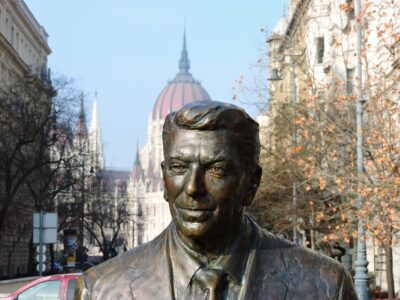
Imre Nagy is closely tied to the 1956 Revolution, and his memorial gives the tour a human face. Rather than treating the uprising as an abstract political event, the stop points toward the people who took risks during a dangerous period.
You may find this portion especially useful if you already know the basic outline of 1956 but want to connect it with names, places, and public memorials. If you know little about the subject, the guide’s explanation should help you understand why these figures remain important in Hungary today.
From Margaret Bridge to a short wine tasting
The walk continues toward Margaret Bridge, with another guided stop and sightseeing period of about 10 minutes. The tour then lists a 15-minute wine tasting near the bridge.
This is an interesting change of pace after the difficult political material. Food and wine can connect history with present-day life, although the available information does not specify the wine, venue, or tasting format. Treat it as a brief included experience, not as a full wine lesson.
The route finishes at Jászai Mari tér after the Margaret Bridge section. A tram ride is also part of the published plan and takes about 10 minutes. That is useful because it gives you a small taste of how Budapest’s public transport fits into daily life, rather than keeping you on foot for the whole route.
The walking distance is about 1.5 miles. That is manageable for most people, but you will be outdoors and moving between several stops. Wear comfortable shoes, and remember that the tour operates rain or shine.
The House of Terror creates a timing puzzle
The schedule also includes the House of Terror as a self-guided visit lasting 1.5 hours, ending at Jászai Mari tér. This is the biggest point that needs clarification.
The tour description says the guided walk lasts two and a half hours, while the activity information says two hours. The House of Terror appears separately as a 1.5-hour self-guided visit. It may be an optional extension, a separate part of the route, or a timing error in the published details.
You should ask before booking whether your $56 includes admission to the House of Terror and whether you visit it with the guide or on your own. The included items specifically mention an English-language guided tour, an information leaflet, and an exhibit connected with the 1956 Revolution. They do not clearly state that House of Terror admission is included.
The museum itself is highly relevant to this subject because the tour deals with Communist terror and dictatorship. Still, a self-guided museum visit is a different experience from a guided walk. You will need to read and absorb the material independently, and you may want more time than the 1.5 hours listed.
Do not build a tight same-day schedule around the published ending until you have confirmed this detail. The route includes enough moving parts that the real duration may be longer than the headline suggests.
What $56 buys you in Budapest
At $56 per person, this is not the cheapest way to see central Budapest. You are paying for a licensed English-speaking guide, a focused historical theme, local interpretation, an information leaflet, and a visit to an exhibit connected with the 1956 Revolution.
The value depends on how you like to travel. If you want quick photographs of Parliament and the basilica, you can see many of the same buildings without paying for a tour. If you want help understanding why Liberty Square matters, how Communist rule affected families, and what the 1956 Revolution meant to Hungarians, the price becomes easier to justify.
The personal stories are the key benefit. A guide who connects the subject with a grandmother’s experience can explain the emotional side of the period in a way a plaque may not. The guide also points out the gap between propaganda and reality, which is difficult to grasp from architecture alone.
There are limits. The activity has only two published ratings, though both gave it the highest mark, and one verified booking from Erica in Israel described it as interesting, informative, and enjoyable. That is encouraging, but it is not enough evidence to promise that every group will receive the same pace or personality.
The tour provider is Experience Budapest. Since no group size is specified, you should ask how many people are expected on your date. Group size can make a major difference on a history walk, especially during the long Liberty Square stop.
Who will enjoy this walk most
I would choose this tour if you want Budapest history told through places and personal stories. It suits visitors who have already seen the main sights and want to understand the difficult decades that shaped modern Hungary.
It is also a good fit if you appreciate local guides who speak with feeling about their own city. The guide’s family connection gives the subject a personal starting point, while the route supplies enough major landmarks to keep the walk grounded.
You may want something else if you dislike serious historical subjects, need a fast-paced sightseeing tour, or want extensive interior visits. Much of the experience takes place outdoors, and several stops are short. The House of Terror section, if included, is self-guided rather than a fully guided museum tour.
The walk is listed as wheelchair accessible, but rain or shine conditions and about 1.5 miles of walking are still worth considering. The tram ride adds a practical transport element, but you should check the exact route and stop arrangements if mobility is a concern.
Practical advice for a smoother visit
Meet in front of St Stephen’s Basilica and look for the guide’s sign. The information also lists Estee Steel Trading as a starting location, which does not match the stated basilica meeting point. Confirm the exact map pin before you leave your hotel.
Wear shoes suitable for pavement and bring weather protection. The tour runs in all conditions, and the schedule includes outdoor stops at several large public squares.
Do not plan a full meal during the walk. Food stories are part of the interpretation, but food and drinks are not included. The short wine tasting is listed in the route, yet the available details do not say what is served or whether other refreshments are provided.
Cancellation is flexible up to 24 hours before the start for a full refund, and you can reserve while paying later. Those terms are useful if your Budapest plans are still shifting, but they do not replace checking the duration and House of Terror details.
Should you book this Communist history tour?
Book it if you want an engaging introduction to Hungary’s Communist past, especially the 1956 Revolution, Soviet influence, and the everyday lives behind the political slogans. The route covers important central sights, and the family stories give the subject warmth and human scale.
I would not book it solely for interior sightseeing or a polished museum experience. The main product is the guide’s explanation as you walk, with an exhibit, tram ride, and wine tasting added along the way.
My advice is simple: confirm the exact duration, group size, meeting point, and House of Terror arrangements before paying. If those details suit your schedule, $56 is a fair price for a focused, personal history walk that can change how you read Budapest’s public spaces.
FAQ
Where does the tour start?
The guide waits in front of St Stephen’s Basilica with a sign. The information also lists Estee Steel Trading as a starting location, so confirm the exact meeting point before the tour.
Where does the tour finish?
The route ends at Jászai Mari tér, near Margaret Bridge.
How long does the experience last?
The activity details say two hours, while the tour description says two and a half hours. A separate House of Terror visit is listed as lasting 1.5 hours, so confirm the exact schedule when booking.
Is the tour conducted in English?
Yes. The tour includes a live English-speaking guide.
How much walking is involved?
The tour includes about 1.5 miles of walking, along with a tram ride of about 10 minutes.
Is the tour wheelchair accessible?
Yes, the activity is listed as wheelchair accessible. It also takes place rain or shine, so weather conditions should be considered.
Is food or drink included?
Food and drinks are not generally included. A 15-minute wine tasting is listed near Margaret Bridge, but the available information does not specify the tasting details.
Just added in Budapest
- Budapest: Private Walking Tour with a Local Guide★ 3.6 · 6 reviews
- Budapest: Danube River Views Bike Ride★ 4.8 · 23 reviews
- Budapest: City Bike Tour with Coffee Stop★ 5.0 · 37 reviews
- From Budapest: Guided Tour of Eger with Wine Tasting★ 4.5 · 6 reviews
- Walk to recent and aged spiritual sanctuaries near Budapest★ 5.0 · 5 reviews
- Walking consultancy with alternative psychologist and author★ 5.0 · 2 reviews
- Budapest: Guided Tour of the Parliament Building in Spanish★ 4.6 · 1,240 reviews
- Budapest: 3-Hour Trabant Sightseeing Tour★ 4.7 · 28 reviews
Communist History Tours, compared.
Communist History Tour with House of Terror Option
Read our review →3-Hour Walking Tour About Communism (Small Group)
Read our review →
Lives of Hungarians Under Communist and Capitalist system
Read our review →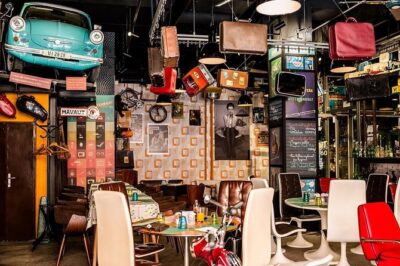
Private Budapest Hammer & Sickle Communist Times Tour
Read our review →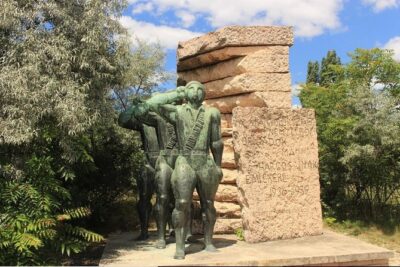
Memento Park Visit with Private Trabant Transfer
Read our review →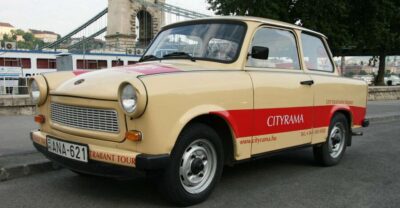
Browse the lists this tour appears in