
REVIEW · COMMUNIST HISTORY TOURS
Budapest Hammer & Sickle Communist Times Tour
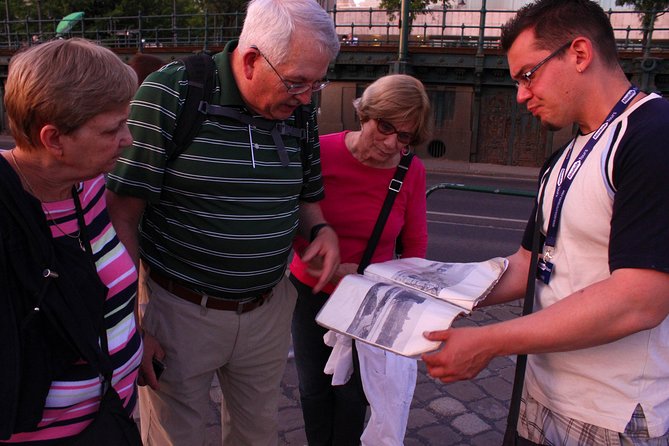
Communism becomes personal in Budapest. This 2.5-hour tour links the 1956 Revolution to ordinary life behind the Iron Curtain, then brings the period to life with a hands-on Retro Interactive Museum visit. I especially like the mix of street sites and household objects, plus the way guides such as Anna, George, Laszlo, Tomas, and Rebecca add family stories and clear historical context. The main drawback is that some of the presentation takes place indoors, and without audio equipment, hearing every word can be hard in noisy conditions.
At $79.65 per person, this is not Budapest’s cheapest history walk, but the small maximum of 10 people, English-speaking guide, museum entry, and included coffee, tea, or soft drink make the price easier to justify. I would book it early, since it is often reserved about 36 days ahead. Start at 3 p.m. near Deák Ferenc Square, wear shoes for city walking, and remember that the tour runs in all weather.
In This Review
- Key points to know before booking
- Why Budapest’s communist past needs a wider frame
- Deák Square and the religious life of communist Hungary
- Liberty Square and the Soviet memorial
- Parliament Square and the first days of the 1956 Revolution
- The October 25 memorial and the cost of protest
- Imre Nagy and the road to freedom
- Inside the Retro Interactive Museum
- The value of a small group and personal guides
- Is $79.65 a fair price?
- Who should take this tour?
- Booking advice and final verdict
- FAQ
- How long does the Budapest Hammer & Sickle Communist Times Tour last?
- Where does the tour begin and end?
- What time does the tour start?
- Is the tour offered in English?
- Is museum admission included?
- What happens if the weather is bad?
- Is the tour suitable for children?
- Is transportation included?
Key points to know before booking
- A personal look at communist life: The Retro Interactive Museum uses furniture, books, games, photographs, news items, and other objects to show how families lived.
- The 1956 Revolution takes center stage: You visit the Parliament area, the October 25 memorial, and the statue of Imre Nagy.
- World War I and World War II provide the wider frame: The guide explains how defeat, occupation, and political upheaval shaped modern Hungary.
- The group is capped at 10 people: That leaves room for questions and can make the walk feel almost private.
- The tour ends near Liberty Square: You finish at Szabadság tér, close to central Budapest transport links.
- The walk is best for adults and older teenagers: It is not recommended for children under 14, and the subject matter can be serious.
Why Budapest’s communist past needs a wider frame
A tour about communist Hungary makes more sense when you first understand the disasters that came before it. Your guide begins with Hungary’s role in World War I and World War II, explaining how military defeat and outside control weakened the country and prepared the way for a one-party state.
This opening is brief, but useful. It keeps the tour from treating communism as an isolated chapter. You learn how the end of World War II brought Soviet occupation, how the Communist Party seized power, and why the new political order affected nearly every part of daily life.
The guide also discusses the fall of the Iron Curtain and the return of political freedom. That gives the afternoon a clear shape: war, occupation, communist rule, revolt, repression, and eventual change.
I would pay close attention during this first section. The tour covers a lot in a short time, and the historical background helps you understand the buildings and memorials you see later. If you already know Hungarian history, use this part to ask about details that interest you. If you are starting from scratch, it gives you enough structure to follow the rest of the walk.
More communist-era history tours:
- Budapest: Communist History Tour with House of Terror Option
★ 4.8 · 182 reviews - Communism in Hungary with a Historian
★ 5.0 · 70 reviews - Budapest: 3-Hour Walking Tour About Communism (Small Group)
★ 4.7 · 70 reviews
Deák Square and the religious life of communist Hungary
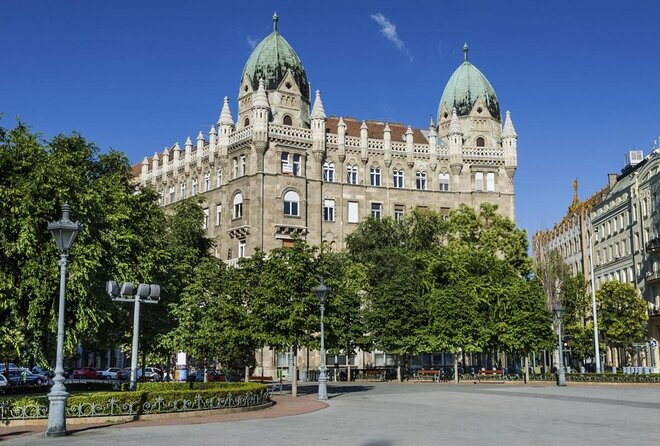
The meeting point is beside the Lutheran Church at Ferenc Deák Square, a central location that is easy to reach by public transportation. From there, the tour begins with a discussion of religion under communism and the way the government dealt with Hungary’s churches.
The stop at St. Stephen’s Basilica lasts about 15 minutes. You do not need to expect an interior visit as part of the listed plan, since admission is not included. The value here is the explanation of how communist policy affected religious institutions and public religious life.
This is a good reminder that political control was not limited to elections or newspapers. Churches, schools, families, and public customs all had to operate under the pressure of the state. The stop also gives you a useful contrast with the later discussion of state propaganda and Soviet power.
Because the stop is short, you will not receive a full architectural tour of the basilica. If you want to see the church inside, plan a separate visit before or after the experience.
Liberty Square and the Soviet memorial
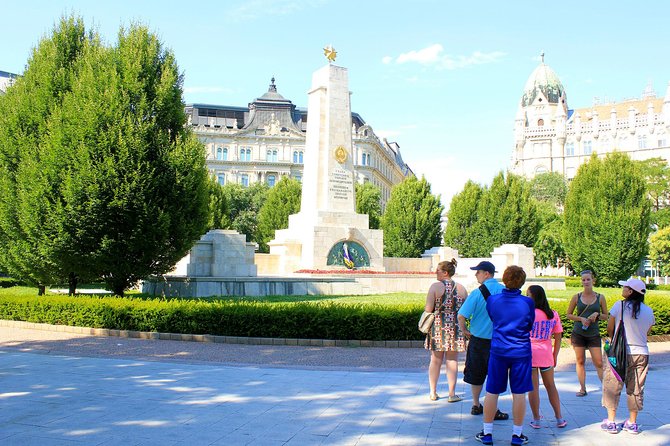
The next major stop is Szabadság tér, or Liberty Square. Here you see the Soviet Memorial and hear about the end of World War II, the beginning of Soviet occupation, and the Communist Party’s rise to control.
This square is one of the most useful places in Budapest for understanding how competing memories share the same city. The Soviet memorial represents the military force that defeated Nazi Germany and then remained as an occupying power. The guide explains how liberation from one dictatorship led to a new political system backed by Moscow.
The discussion is especially helpful because it avoids reducing the period to a simple good-versus-bad story. World War II, Soviet military power, Hungarian political choices, and the loss of independence all overlap here. You get the background needed to understand why national freedom became such a powerful theme in 1956.
The memorial itself is outdoors, and the tour operates in every kind of weather. Bring a coat or rain layer when needed. In warmer weather, shade may be limited, and in colder weather the guide’s talk can feel long if you are not dressed for standing still.
Parliament Square and the first days of the 1956 Revolution
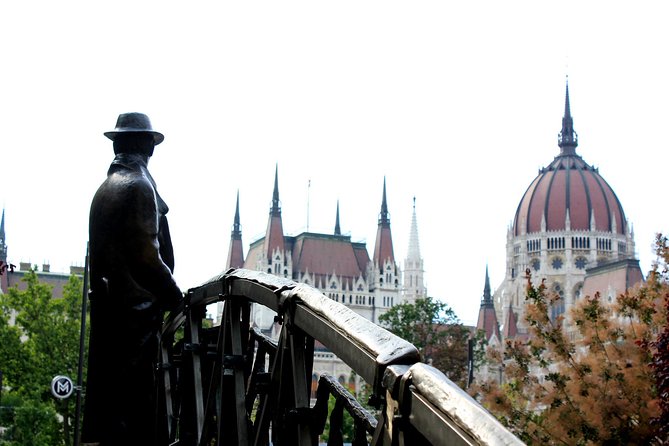
The Parliament Building provides the emotional center of the walking portion. The square in front of Parliament played a major role in the first days of the 1956 Revolution, and your guide explains what led to the uprising and how the Communist leadership responded.
The revolution began as a demand for greater freedom and national independence. Protesters called for political change, and the movement quickly grew into a direct challenge to Soviet influence. You hear about speeches, marches, demonstrations, and the first shots connected with the uprising.
The guide also introduces Imre Nagy, the best-known political figure associated with the revolution. He was a communist leader who defied Soviet leaders in Moscow, supported the reform movement, and was later executed for treason. His story shows how quickly political loyalty could shift during the crisis, and how harshly the Soviet-backed government responded once the uprising was crushed.
Parliament is an impressive sight even without the political story. With the revolution added, the building becomes more than a photograph stop. You begin to picture the crowds, the public speeches, and the fear that followed.
The square can be noisy. Aircraft, helicopters, traffic, or city events have made it difficult to hear guides at times, and there are no headphones or audio receivers. Stay close to the guide and ask for repetition if needed. That small habit can make a major difference.
More things to do in Budapest:
- Budapest: City Highlights Cruise with Welcome Drink
★ 4.6 · 35,610 reviews - Budapest: Unlimited Prosecco, Beer and Aperol Spritz Cruise
★ 4.8 · 25,310 reviews - Budapest: Széchenyi Spa Day Ticket with Optional Upgrades
★ 4.3 · 23,911 reviews - Budapest: Nighttime or Daytime Sightseeing Cruise
★ 4.2 · 21,062 reviews
The October 25 memorial and the cost of protest
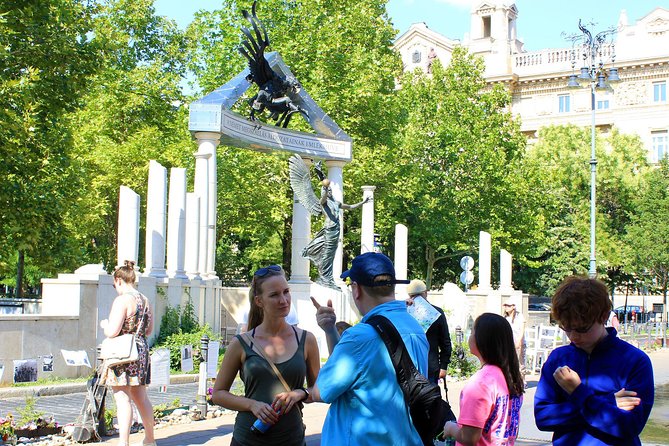
The In Memoriam 1956 memorial focuses on October 25, the second day of the revolution. On that day, military authorities and Soviet tanks fired into a gathering crowd.
The nearby exhibition presents the events with archive footage and personal recollections. It is a short stop, around 15 minutes, but the subject carries considerable weight. This is not just a political timeline. You are confronted with what the uprising meant for people who had gathered in hope and were met with gunfire.
The exhibition helps connect the large public events to individual experience. After hearing about speeches and political demands, you see how quickly a public gathering could become a deadly confrontation.
I would treat this as a serious memorial rather than a quick sightseeing stop. The afternoon includes many facts, but this section slows the pace and gives the revolution a human cost. It also helps explain why October 23 remains Hungary’s national day of remembrance for the 1956 Revolution.
Imre Nagy and the road to freedom
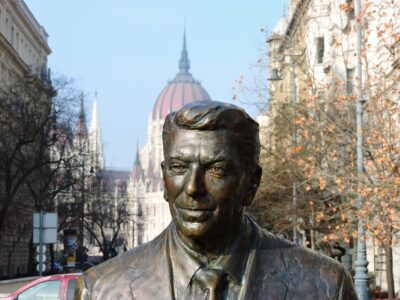
The statue of Imre Nagy gives the tour another chance to examine the revolution’s legacy. Nagy was later executed, and his reburial became an important moment in Hungary’s change of regime.
The guide connects his personal fate with the larger return of political freedom. His reburial showed that the official story of 1956 was changing. The man once condemned as a traitor was publicly remembered as a national leader.
This stop is free and outdoors. It is also close to Liberty Square, where the tour concludes. That makes it easy to continue exploring central Pest on your own after the guide says goodbye.
The story of Nagy can be complex, especially if you are unfamiliar with the divisions within Hungary’s communist government. A strong guide makes the subject easier to follow by explaining not just what happened, but why his choices mattered to Hungarians at the time.
Inside the Retro Interactive Museum
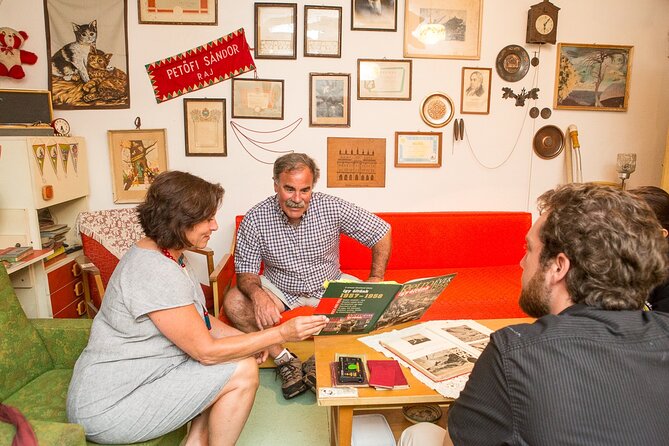
The most distinctive part of the experience is the Budapest Retro Interactive Museum. Instead of only looking at monuments, you see how communism shaped domestic life.
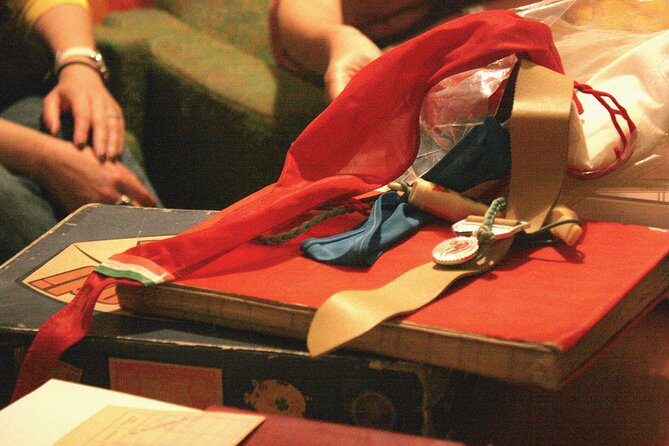
The exhibition includes a mock-up of a period living room or apartment, along with books, games, photographs, household objects, newspapers, and other everyday items. Guides explain how children were raised, how families spent their free time, what people read, and how ordinary routines were affected by government policy.
You also hear about travel restrictions, passports, black markets, and the famous banana lines. Those details may sound small compared with invasions and political executions, but they are exactly what make the period understandable. A passport could be difficult to obtain. A simple food item could become a symbol of scarcity. A family game or scrapbook could reveal what people valued when public life was tightly controlled.
The museum is particularly useful if you have little background in Eastern European communism. Political slogans can feel abstract. A living room, a child’s toy, or a ration-related story gives you something concrete to remember.
Some tours spend a substantial amount of time in this indoor section. That is good news if you like objects and personal stories, but less appealing if you want a nonstop outdoor walk. One person found the communist-era apartment segment too long, so tell your guide what interests you most. Private or very small groups can usually shape the discussion around your questions.
The value of a small group and personal guides
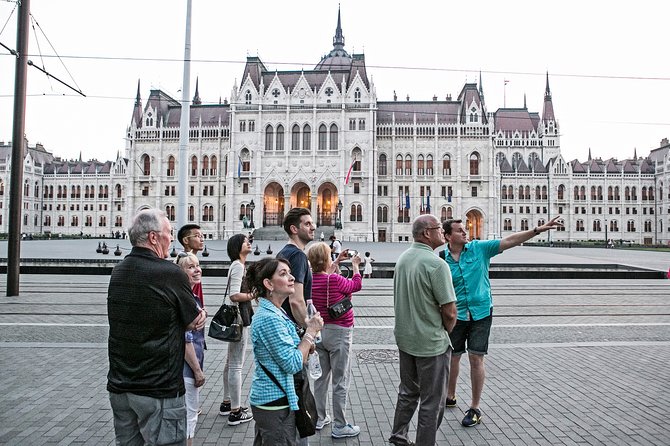
The group limit of 10 is one of the strongest practical features. You are not likely to be lost in a crowd, and you can ask about family life, politics, monuments, or modern Budapest as the afternoon develops.
Several guides have received especially strong praise for their warmth and command of the subject. Anna is described as clear, thoughtful, and neutral, with personal and family stories from the communist era. George brings strong enthusiasm for Budapest and often helps people understand how past events still shape the city.
Laszlo has led tours for groups of only three people, while Bogata has been praised for creating a friendly, informative walk. Tomas is known for combining the darker parts of fascism and communism with lighter details about childhood, games, and hope. Rebecca has also been singled out for her passion and ability to answer questions in detail.
Guide assignments can change, so you should not book solely in expectation of one particular person. The consistent strength is the format: a local English-speaking guide, a small group, and plenty of room for conversation.
Some tours have had only one or two people booked. That can feel uncertain at first, but it may turn into a private-style experience. Guides have sometimes adjusted the pace and content to match the group’s interests. The listed duration is about 2 hours and 30 minutes, though small groups have occasionally run closer to three hours.
Is $79.65 a fair price?
At $79.65, the tour costs more than a basic free walking tour. The comparison is not quite equal, though. You are paying for a small group, an English-speaking guide, entry to the Retro Interactive Museum, and a drink during the experience.
The strongest value comes from the combination of indoor and outdoor teaching. A free city walk may cover Liberty Square or Parliament, but this tour adds the museum setting and the everyday details of life under communist rule. It also links the period to World War I, World War II, the 1956 Revolution, and the fall of the Iron Curtain.
I think the price is reasonable for visitors who want a focused history lesson rather than a general introduction to Budapest. It is less compelling if you only want to see major sights from the outside or if you prefer to research political history independently.
The included coffee, tea, or soft drink is a modest extra, not the reason to book. The real value is the guide’s time and the chance to ask questions in a group of 10 or fewer.
Who should take this tour?
I would recommend it most strongly to adults, history fans, and anyone who wants to understand modern Hungary before exploring more of the city. It also works well early in your stay because the political background can give later visits to Parliament, memorials, and central Pest more meaning.
The tour suits you if you enjoy:
- Political and social history
- Personal stories about ordinary families
- Small-group walking tours
- Museums with real objects and period settings
- Asking questions rather than simply listening
- Serious memorials and difficult subjects
It may not suit you if you want a light sightseeing afternoon, dislike standing outdoors, or have trouble following a long spoken presentation. Children under 14 are not recommended, and no audio equipment is provided.
The route is near public transportation, and the finish at Liberty Square keeps you in the center of Budapest. Pickup and drop-off are not included, so you will need to make your own way to Deák Ferenc Square and arrange your onward transport afterward.
Booking advice and final verdict
I would book this tour if you want the human side of twentieth-century Hungary. The memorials explain what happened in public life, while the Retro Interactive Museum shows how those events reached into kitchens, schools, passports, shopping, and childhood.
Go early in your Budapest visit, keep your group small if possible, and dress for the weather. Arrive ready to listen closely, especially around Parliament and the October 25 memorial, where city noise can compete with the guide.
This is a good use of an afternoon for adults and older teenagers who want more than postcard views. It is not the best choice for a casual sightseeing walk or a bargain hunter. For the right audience, the mix of political history, local memory, and ordinary household objects makes the $79.65 fee worthwhile. Free cancellation is available up to 24 hours before the 3 p.m. start time, which gives you some flexibility if your Budapest plans change.
FAQ
How long does the Budapest Hammer & Sickle Communist Times Tour last?
The tour lasts approximately 2 hours and 30 minutes. Some small-group tours have run closer to three hours.
Where does the tour begin and end?
It begins at the Lutheran Church of Ferenc Deák Square, Budapest, Deák Ferenc tér 4. It ends near Liberty Square at Szabadság tér 1 in central Budapest.
What time does the tour start?
The listed start time is 3 p.m.
Is the tour offered in English?
Yes. The experience includes an English-speaking guide.
Is museum admission included?
Yes. Entry to the Budapest Retro Interactive Museum is included. Admission to St. Stephen’s Basilica is not included.
What happens if the weather is bad?
The tour operates in all weather conditions, so you should dress appropriately. The outdoor stops include Liberty Square, Parliament, the October 25 memorial, and the Imre Nagy statue.
Is the tour suitable for children?
It is not recommended for children under 14. The subject includes political repression, occupation, shootings, and executions.
Is transportation included?
Pickup and drop-off are not included. The meeting point is near public transportation, and the tour finishes in central Budapest.
Just added in Budapest
- Budapest: Private Walking Tour with a Local Guide★ 3.6 · 6 reviews
- Budapest: Danube River Views Bike Ride★ 4.8 · 23 reviews
- Budapest: City Bike Tour with Coffee Stop★ 5.0 · 37 reviews
- From Budapest: Guided Tour of Eger with Wine Tasting★ 4.5 · 6 reviews
- Walk to recent and aged spiritual sanctuaries near Budapest★ 5.0 · 5 reviews
- Walking consultancy with alternative psychologist and author★ 5.0 · 2 reviews
- Budapest: Guided Tour of the Parliament Building in Spanish★ 4.6 · 1,240 reviews
- True Crime Walking Tour in the Buda Castle district★ 5.0 · 26 reviews
Communist History Tours, compared.
Communist History Tour with House of Terror Option
Read our review →3-Hour Walking Tour About Communism (Small Group)
Read our review →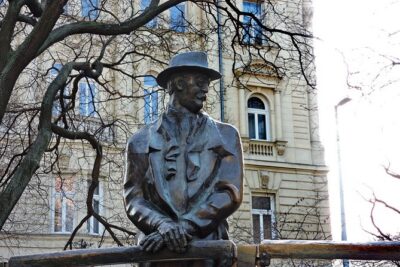

Lives of Hungarians Under Communist and Capitalist system
Read our review →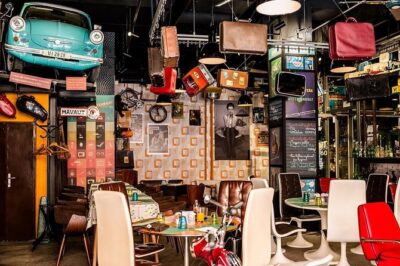
Private Budapest Hammer & Sickle Communist Times Tour
Read our review →
Memento Park Visit with Private Trabant Transfer
Read our review →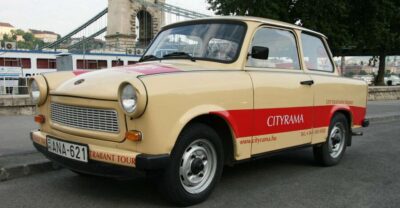
Browse the lists this tour appears in