
REVIEW · COMMUNIST HISTORY TOURS
Budapest: Memento Park and Icons of Communism Guided Tour
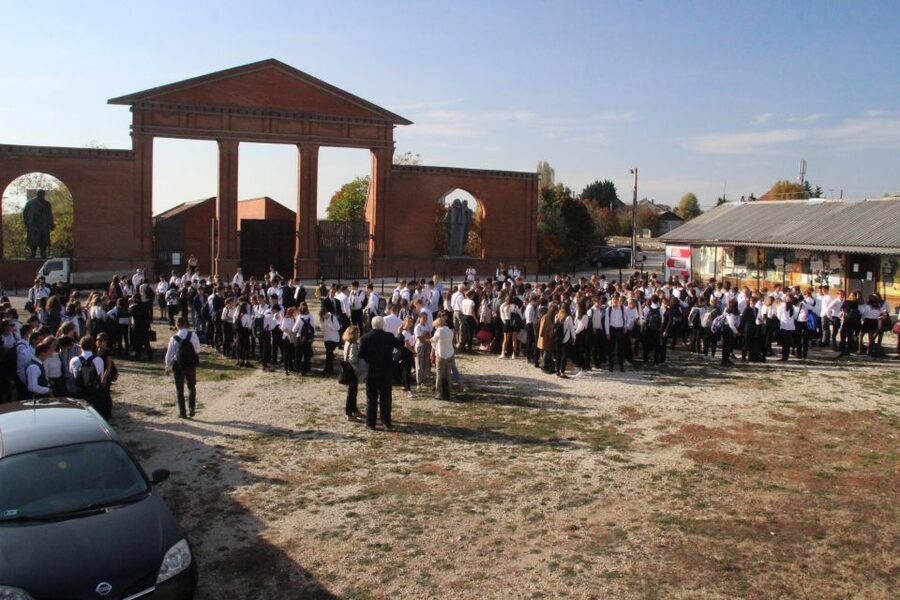
The boots tell the whole story. Memento Park places Hungary’s former Communist statues in one open-air museum, where you can stand beside Marx, Engels, Lenin, and other giant monuments while a local guide explains how propaganda, fear, and political control shaped everyday life. I like the small group of up to seven people, and I like that transport, entry, and an English-speaking licensed guide are included.
The strongest part is the human explanation. Guide Victor receives repeated praise for being friendly, clear, funny, and especially good with teenagers and first-time students of Communist history. The main drawback is the travel time: about 45 minutes each way by private car, leaving roughly 90 minutes in the park itself. That is fair for a museum 10 miles, or 16 kilometers, from central Budapest, but it makes the three-hour schedule fairly tight.
In This Review
- Key points to know before booking
- Why Memento Park matters in Budapest
- Meeting at Batthyány Square
- The 45-minute drive to Memento Park
- Entering the park and meeting the monuments
- Stalin’s boots and the memory of revolt
- The secret police, propaganda, and everyday fear
- Free time, photos, and the small museum shop
- Is $63 a fair price?
- Who will get the most from this tour?
- Practical booking advice
- Should you book Budapest Memento Park?
- FAQ
- Where does the tour begin?
- How can I reach the meeting point?
- How long does the experience last?
- How do I get to Memento Park?
- Is admission to Memento Park included?
- What language is the tour conducted in?
- Can I take photographs at Memento Park?
Key points to know before booking
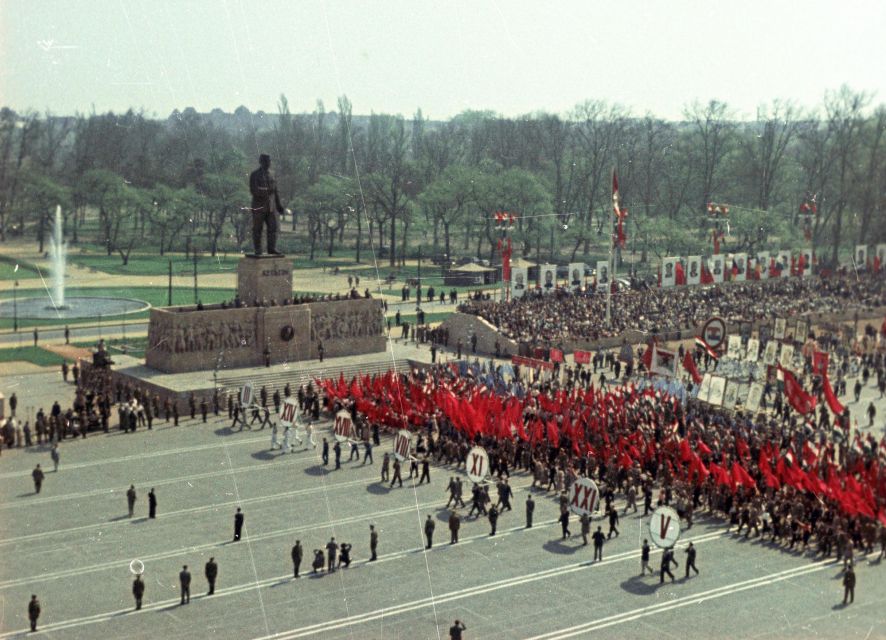
- Stalin’s boots are the park’s unforgettable symbol: You see what remains after angry Hungarians pulled down the dictator’s huge statue.
- A guide gives the statues meaning: The monuments make far more sense when someone explains their propaganda role and the political system around them.
- Private car transport saves effort: Pickup and return are at Batthyány Square, with the ride to Memento Park included.
- The tour stays intimate: Groups are limited to seven participants, which makes questions and conversation easier.
- You get time for photos: Your guide can take pictures of you with the monuments at no extra charge.
- The price covers the basics: At $63 per person, you receive transport, admission, guiding, and a bottle of water, but not food or souvenirs.
Why Memento Park matters in Budapest
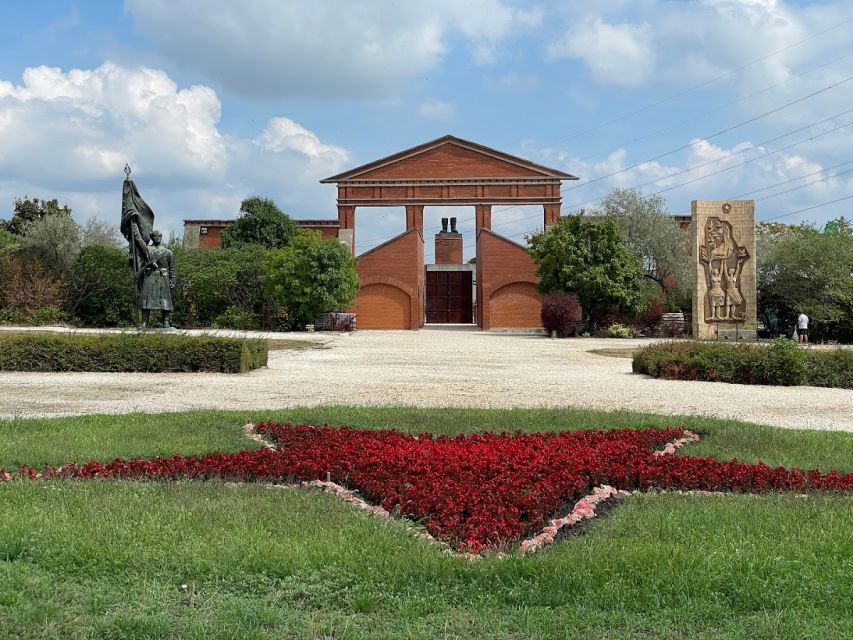
Memento Park is not a collection of attractive public art. It is a holding place for the statues and plaques left behind after Hungary’s Communist system fell. Forty-one monuments were moved here, including figures linked with Marxism and Soviet-style political power.
That setting changes the way you see them. In Budapest, such statues once occupied prominent public spaces and helped present the government as permanent, heroic, and historically inevitable. At Memento Park, they are removed from that working political environment. You can inspect their size, gestures, and slogans without being asked to accept the message they once carried.
I think this is why a guided visit works better than a quick independent stop. A giant statue can look strange or even comic when you first see it. The guide explains why it was made, how it was used, and what the image meant to people living under the system. The park becomes less about old concrete and bronze, and more about how governments use public images to shape thought.
The tour also places Communist rule in the setting of postwar Hungary. You learn why Communist ideology found room in the country after World War II, how the rule of law changed once the Communists gained power, and how a theory associated with Marx turned into a system that became a nightmare for millions.
That is a large subject for a short visit, but the physical setting helps. You are not only hearing a lecture. You are standing among oversized symbols that were built to influence ordinary people.
More communist-era history tours:
- Budapest: Communist History Tour with House of Terror Option
★ 4.8 · 182 reviews - Communism in Hungary with a Historian
★ 5.0 · 70 reviews - Budapest: 3-Hour Walking Tour About Communism (Small Group)
★ 4.7 · 70 reviews
Meeting at Batthyány Square
The tour begins at Batthyány Square, beside the Danube in central Budapest. The meeting point is in front of St. Anne Church, the church with two towers. You can reach the square by Metro Line 2 or by trams 19 and 41.
This is a sensible starting point. Batthyány Square is a well-known central location, and the metro and tram connections make it easier to reach from other parts of the city. Still, give yourself enough time to find St. Anne Church rather than simply searching for the square and hoping the group is easy to spot.
The tour finishes at the same meeting point. That return is useful because you do not need to work out public transport from Memento Park after the visit. It also keeps the experience compact for a morning or afternoon in Budapest.
The group size is limited to seven. That matters here because the subject can lead to questions. You may want to ask about daily life, propaganda, the secret police, or how people found ways to resist and escape. A large bus group would make that exchange much harder.
The 45-minute drive to Memento Park
From Batthyány Square, you travel by private car to the museum. The ride takes about 45 minutes, and the same amount of time is scheduled for the return journey.
The car is one of the tour’s practical strengths. You avoid planning a connection to a museum outside the central city, and the transport is part of the $63 price. One family group specifically praised the vehicle as clean and comfortable. For a small party, that can feel much easier than piecing together the route on your own.
The drive also gives the guide time to set the stage. The important question is not simply what Communism looked like in a statue. It is how a political system gained power, changed legal structures, built a propaganda machine, and made ordinary people cautious about what they said and whom they trusted.
There is a tradeoff. Ninety minutes of the three-hour experience are spent in the car. If you want a long, slow museum visit, this schedule may feel short. If you want an efficient introduction with door-to-door transport and a guide, the timing is more attractive.
The return ride may include extra points of interest, depending on the guide and the flow of the tour. Victor has taken guests past places such as Gellért Hill and the Poets’ Circle on the way back to the city center. These additions should be treated as a pleasant possibility, not the central promise of the activity.
Entering the park and meeting the monuments
The main visit lasts about 90 minutes. It combines a guided walk, sightseeing, and free time.
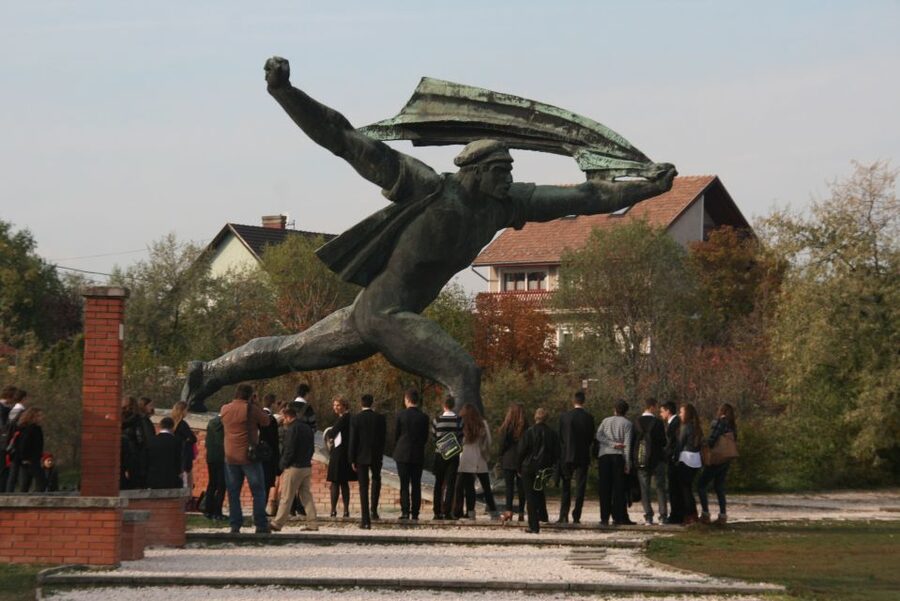
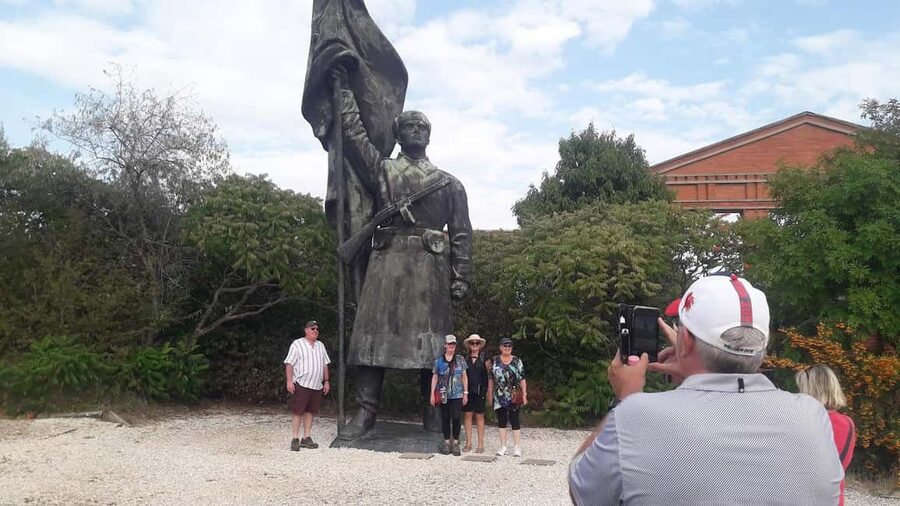
Expect the guide to lead you through the park’s collection rather than leave you to wander without context. The monuments include Marx, Engels, Lenin, and other Communist-era figures. Their size is part of the point. These were not modest plaques tucked into corners. They were large public statements designed to make the ideology feel powerful and official.
I would pay attention to scale and placement. The statues were built to impress, and the park lets you see them together as a group. When they were displayed in the city, they formed part of the public message of the state. Here, their concentration makes the propaganda easier to recognize.
The guided explanation covers several connected subjects:
- Why Communist ideology gained a foothold in Hungary after World War II
- How the rule of law changed under Communist power
- How propaganda was used to influence the public
- How the secret police recruited people
- How ordinary citizens could be intimidated
- How brave people managed to escape or resist
These are not decorative details. They help you understand the difference between political slogans and lived experience. A statue may celebrate workers, leaders, or collective strength, but the guide can show how that public language worked alongside surveillance and fear.
The best comments about Victor focus on this ability to make difficult material understandable. He has been praised for explaining the statues in a way that was easy to follow, while also making the experience engaging for teenagers. That combination is valuable. The topic is serious, but a clear and personable guide helps you stay with it.
More things to do in Budapest:
- Budapest: City Highlights Cruise with Welcome Drink
★ 4.6 · 35,610 reviews - Budapest: Unlimited Prosecco, Beer and Aperol Spritz Cruise
★ 4.8 · 25,310 reviews - Budapest: Széchenyi Spa Day Ticket with Optional Upgrades
★ 4.3 · 23,911 reviews - Budapest: Nighttime or Daytime Sightseeing Cruise
★ 4.2 · 21,062 reviews
Stalin’s boots and the memory of revolt
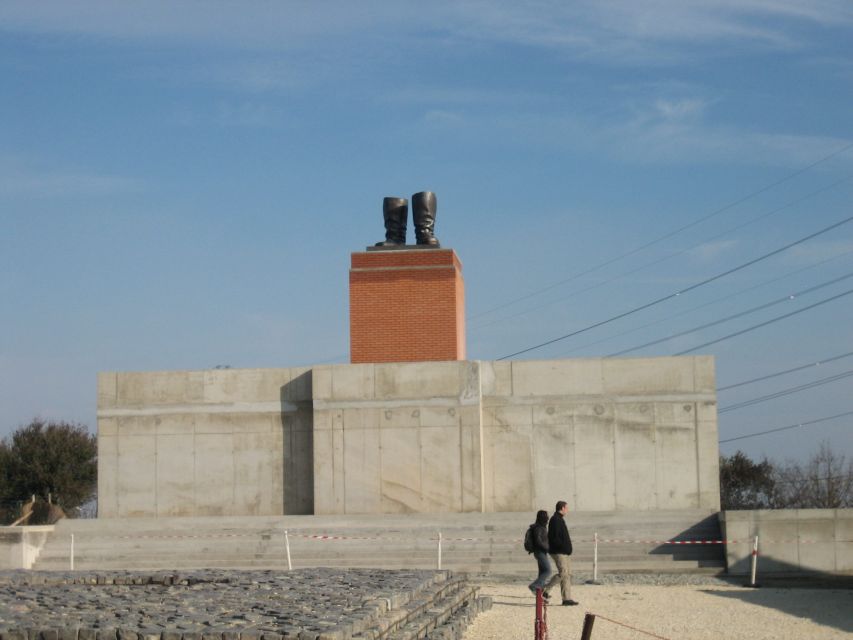
The most recognizable feature is Stalin’s Boots. At Memento Park, you see the boots that remain after the huge statue of Stalin was pulled down by angry Hungarians.
The tour places you in front of Stalin’s Grandstand, where you can picture the crowd bringing down the hated dictator’s statue. Only the boots remain, and they have become a symbol of the longing for freedom.
This moment gives the visit a strong visual center. You do not need a long explanation to understand why empty boots can say so much. The missing body represents the collapse of a public image that once appeared imposing and untouchable. The surviving footwear turns a monument of power into an image of defeat.
I also like that the tour does not stop at the dramatic photograph. The guide connects the scene to the wider story of manipulation and control. Pulling down a statue is powerful, but the harder questions concern the people who had lived under that system, followed its rules, feared the authorities, or quietly looked for a way out.
You can take photographs at the monuments, including pictures of yourself beside Stalin’s Boots and the other large figures. The guide is happy to help with photos. That is a small service, but it makes a difference when you are traveling alone or with a couple and want everyone in the picture.
The secret police, propaganda, and everyday fear
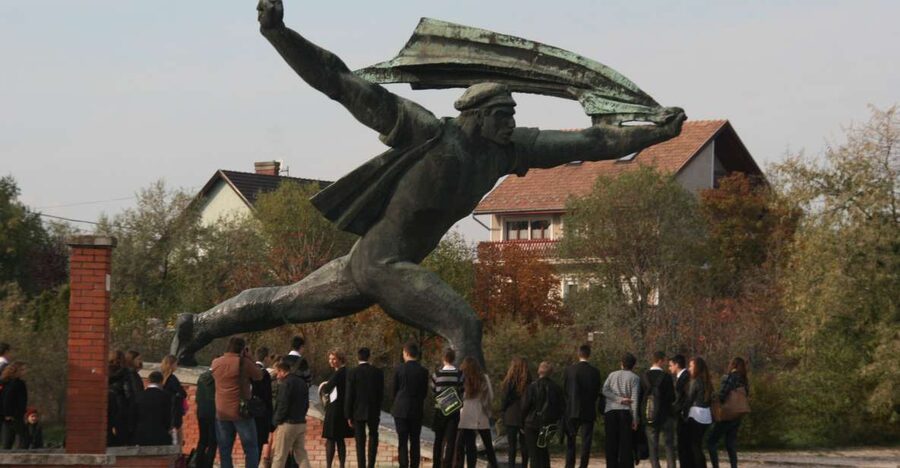
Memento Park is most useful when it moves beyond famous leaders. The tour explains how the secret police recruited new members under Soviet rule and how an ordinary person could be intimidated.
For you, this is the part that adds emotional weight to the statues. Propaganda was not only about banners and public speeches. It worked alongside institutions that could pressure people into cooperation, silence, or suspicion. The guide’s job is to connect the public monument with the private choices people faced.
The experience also addresses how brave people could escape. That subject helps prevent the story from becoming a simple account of power imposed from above. Even under a dictatorship, people made choices, took risks, and found ways to protect themselves or oppose the system.
You should expect an interpretive history tour rather than a performance or a collection of interactive displays. The park’s strength is its physical evidence and the explanation around it. If you prefer museums with many indoor exhibits, documents, and multimedia installations, this may feel limited. If you want to see the symbols directly and discuss what they meant, the open-air format works well.
The weather may also shape your experience. The museum visit takes place outdoors, so practical clothing and suitable shoes make sense. The supplied information does not specify shelter or indoor alternatives, so it is wise to think about the forecast before choosing your tour time.
Free time, photos, and the small museum shop
After the guided portion, you have free time to look again at the monuments and take photographs. This is a useful pause. The first walk-through is about absorbing the guide’s story, while the free time lets you return to the statues that caught your attention.
The photo opportunities are unusually direct. You can stand beside the Communist figures and create deliberately awkward images with these failed heroes. The guide will take the photo for you, free of charge, which is helpful if you do not have someone in your group ready to hold the camera.
There is also a shop where you can buy souvenirs, pictures, and postcards. Food is not included, and the tour does not list a meal or snack stop, so plan accordingly. A bottle of water is included.
The free time is not long enough for an unhurried museum afternoon. It is enough for a focused visit, photographs, and a second look at the monuments after the explanation. That distinction matters when you decide if this fits your schedule.
Is $63 a fair price?
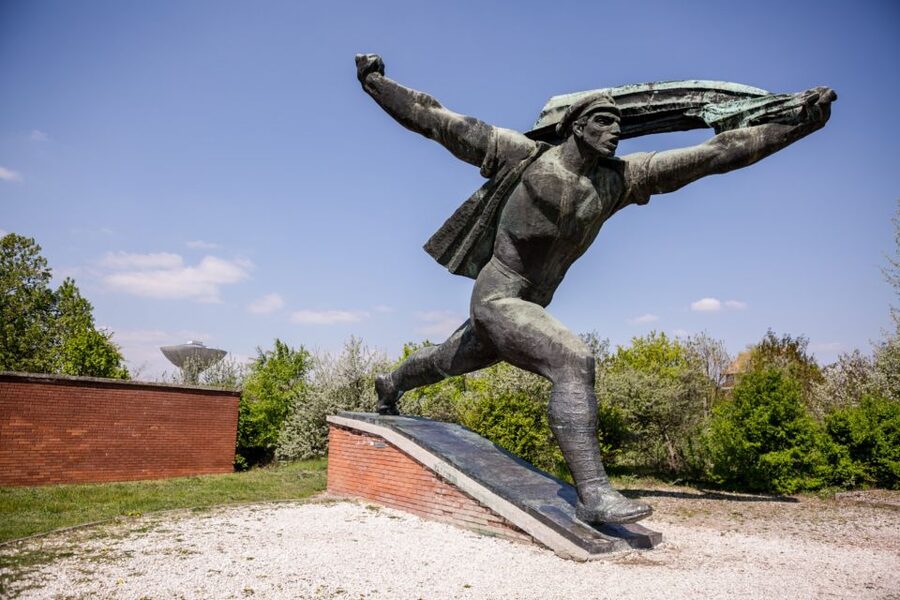
At $63 per person, this is not the cheapest way to see an out-of-center museum. The value comes from what is bundled together: private car transport in both directions, the entrance fee, a live English-speaking licensed guide, a small group capped at seven, photo help, and bottled water.
If you travel alone or with one companion, the private transport and guide make the price easier to justify. You are not paying only to enter the park. You are paying to avoid route planning and to receive a guided explanation of a difficult subject.
The comparison is different for a larger group that could arrange its own transport and use an audio guide. In that case, the tour costs more than a basic independent visit. But the strongest praise for this experience concerns the guide, especially Victor’s ability to make the history clear, personal, and engaging. That human context is the reason to book.
The three-hour duration also gives you a predictable block of time. You know the park visit is about 90 minutes, and the transport takes about 45 minutes each way. That makes it easier to fit around other Budapest plans.
Who will get the most from this tour?
I would recommend it most strongly if you have a serious interest in 20th-century history, political systems, propaganda, or daily life under Communism. It is also a good choice if you want to understand Budapest beyond its grand buildings and river views.
Families with older children and teenagers may find the small group format helpful. Victor has been praised for keeping teenagers interested, and the subject offers plenty of questions about fairness, freedom, fear, and political power.
This tour is also useful if you have visited Memento Park before but felt the statues lacked context. A previous independent visitor found that returning with a guide made the place much easier to understand. That is a good warning: the park can be interesting on its own, but the meaning is not always obvious from the monuments alone.
You may want to skip it if your schedule is packed and you cannot spare three hours, or if you want a broad survey of Budapest’s major sights. Memento Park is focused, serious, and outside the center. It is not a general sightseeing tour.
Practical booking advice
The meeting point is in front of St. Anne Church at Batthyány Square. Metro Line 2 and trams 19 and 41 serve the area. The activity returns to this same location.
The tour is offered in English with a live guide. It is a small-group experience for no more than seven participants. You can cancel up to 24 hours in advance for a full refund, and the reserve-now, pay-later option gives you some flexibility when your Budapest plans are still changing.
Since food is not included, eat before you meet or plan a meal for after your return. Bring a camera if you want photos, though the guide can take them for you. Remember that the park visit is outdoors, and the schedule leaves little room for a long, casual stop.
Should you book Budapest Memento Park?
Book this tour if you want the statues explained, not simply photographed. The strongest reason to choose it is the guide, particularly if Victor leads your group. His clear explanations, friendly manner, local perspective, and willingness to answer questions turn a remote collection of monuments into a readable story about power and freedom.
The tour is less suitable if you want a cheap entrance ticket, a long independent visit, or a full-day history program. You spend a significant part of the three hours in the car, and the park itself receives about 90 minutes.
For most people with an interest in Hungary’s Communist past, I think the guided format is worth the extra cost. Memento Park gives you the images. A good guide explains why those images mattered, how the system held power for 40 years, and why a pair of empty boots can carry such a large memory.
FAQ
Where does the tour begin?
The tour begins at Batthyány Square in front of St. Anne Church, the church with two towers.
How can I reach the meeting point?
You can reach Batthyány Square by Metro Line 2 or by trams 19 and 41.
How long does the experience last?
The total duration is three hours. The journey to Memento Park takes about 45 minutes, the park visit lasts about 90 minutes, and the return journey takes about 45 minutes.
How do I get to Memento Park?
Transport by private car from Batthyány Square to Memento Park and back is included.
Is admission to Memento Park included?
Yes. The entrance fee is included in the activity price.
What language is the tour conducted in?
The tour is conducted in English by a live, English-speaking licensed guide.
Can I take photographs at Memento Park?
Yes. You can take photographs of the statues and monuments, and the guide will gladly take pictures of you with them free of charge.
Just added in Budapest
- Budapest: Private Walking Tour with a Local Guide★ 3.6 · 6 reviews
- Budapest: Danube River Views Bike Ride★ 4.8 · 23 reviews
- Budapest: City Bike Tour with Coffee Stop★ 5.0 · 37 reviews
- Walking consultancy with alternative psychologist and author★ 5.0 · 2 reviews
- From Budapest: Guided Tour of Eger with Wine Tasting★ 4.5 · 6 reviews
- Walk to recent and aged spiritual sanctuaries near Budapest★ 5.0 · 5 reviews
- Budapest: Guided Tour of the Parliament Building in Spanish★ 4.6 · 1,240 reviews
- Budapest: 3-Hour Trabant Sightseeing Tour★ 4.7 · 28 reviews
Communist History Tours, compared.
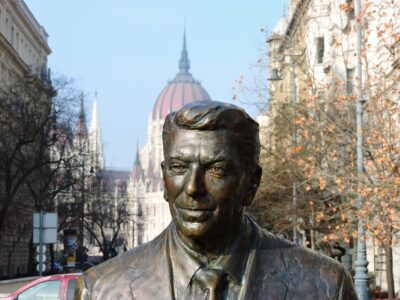
Communist History Tour with House of Terror Option
Read our review →3-Hour Walking Tour About Communism (Small Group)
Read our review →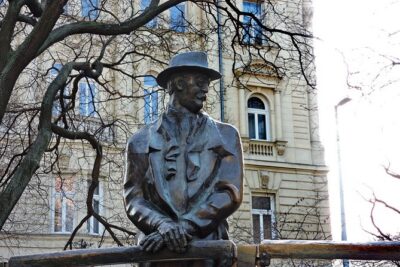
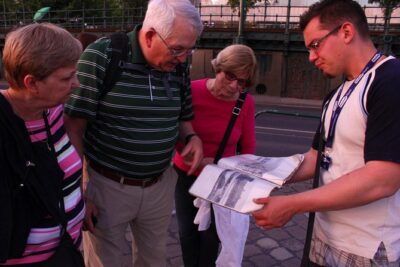

Lives of Hungarians Under Communist and Capitalist system
Read our review →
Private Budapest Hammer & Sickle Communist Times Tour
Read our review →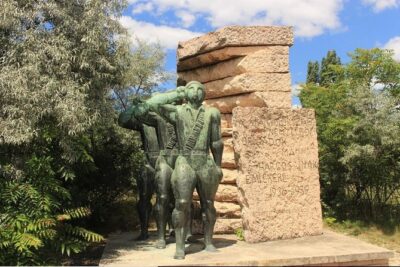
Memento Park Visit with Private Trabant Transfer
Read our review →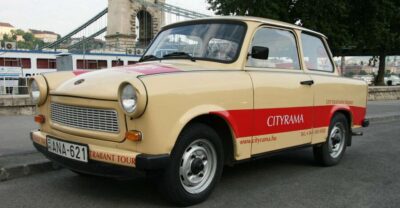
Browse the lists this tour appears in