
REVIEW · COMMUNIST HISTORY TOURS
Budapest: Hammer & Sickle Communism Walking Tour
History feels close here. Budapest’s Hammer & Sickle Communism Walking Tour connects Hungary’s political past with ordinary details, from Trabant cars and workplace spirits to passports, school life, and life behind the Iron Curtain. I like that the walk does not stop at dates and leaders. It asks what daily life felt like for people living under a system they could not freely challenge.
I also like the route through central Pest, especially the 1956 Revolution exhibition, Liberty Square, and the last Soviet memorial near Parliament. A possible drawback is the price: at $72 per person, this is not a cheap city walk, and one older review questioned whether the cost matched the experience. The tour will be most useful if you want context and discussion, not just a quick look at monuments.
In This Review
- Key points to know before booking
- Why this communist history walk matters in Budapest
- Meeting at Deák Ferenc Square
- Daily life behind the Iron Curtain
- The 1956 Revolution exhibition
- Walking through the streets where events unfolded
- Liberty Square and the last Soviet memorial
- Guides, group size, and the quality of the explanation
- The included refreshment and the Trabant connection
- Is $72 a fair price?
- Who will enjoy this walk most?
- Booking details that affect your decision
- Should you book the Hammer & Sickle tour?
- FAQ
- How long is the Budapest Hammer & Sickle Communism Walking Tour?
- Where does the tour meet?
- What language is the tour offered in?
- What places does the tour visit?
- Is a refreshment included?
- Is the tour suitable for children?
- What should I bring?
Key points to know before booking
- A 2.5-hour walk through central Pest links communist history with streets, squares, and political landmarks.
- The 1956 Revolution is a major focus, including a small exhibition about the uprising and its early protests.
- Liberty Square and the Soviet memorial provide the clearest physical reminders of Hungary’s postwar political order.
- Everyday life gets as much attention as major events, including school, passports, cars, work, and access to travel.
- English-speaking licensed guides lead the tour, with private and small-group formats available.
- A coffee, tea, or soft drink is included, and one past tour also included a traditional Hungarian dessert at Trabant 60.
Why this communist history walk matters in Budapest
Budapest is full of grand buildings, thermal baths, and imperial-era sights. It is easy to spend several days seeing the city’s beautiful surface while missing the more recent past that shaped modern Hungary. Communist rule lasted for roughly 50 years, and its effects remain part of the city’s streets, politics, memories, and family stories.
This tour gives you a way to place those decades in order. You hear about the period after the Second World War, the power of the Soviet-backed system, the 1956 uprising, and the years of control that followed. The subject is serious, but the strongest part of the experience is its attention to normal life.
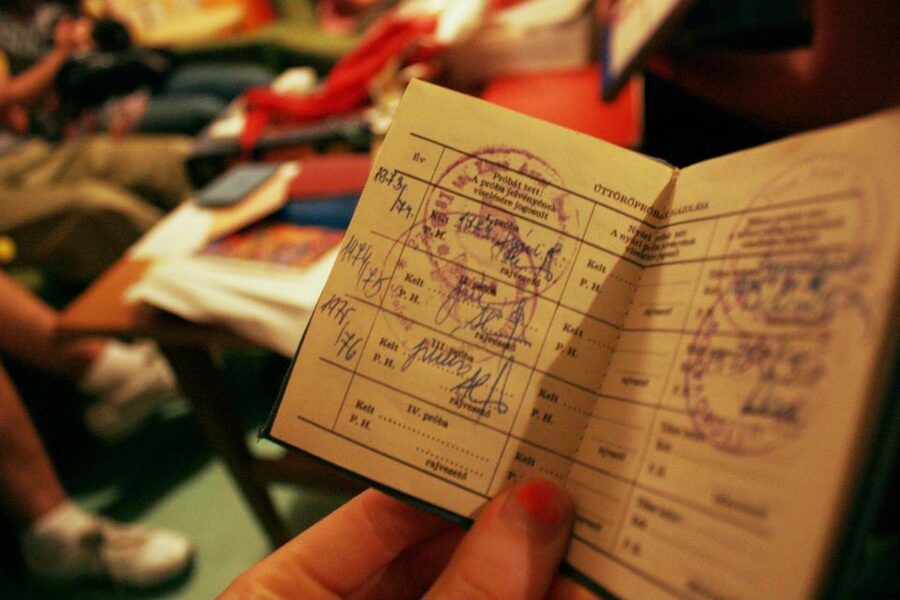
You learn how people managed school, work, travel, and official paperwork. Questions such as how to get a passport can reveal more about a political system than a long list of dates. So can the detail about Trabant cars, a familiar symbol of Eastern European life, and spirits being consumed at work.
I like this approach because it turns an abstract subject into something you can picture. Instead of hearing only about governments and ideologies, you begin to think about what it meant to buy things, plan a trip, raise a child, or speak carefully in public.
More communist-era history tours:
- Budapest: Communist History Tour with House of Terror Option
★ 4.8 · 182 reviews - Communism in Hungary with a Historian
★ 5.0 · 70 reviews - Budapest: 3-Hour Walking Tour About Communism (Small Group)
★ 4.7 · 70 reviews
Meeting at Deák Ferenc Square
The tour begins at 1052 Budapest, Deák Ferenc tér 4, in front of the pale yellow Lutheran Church. Meet your guide on the church steps. Deák Ferenc Square is in the heart of downtown, so it is a practical starting point if you are already exploring central Budapest.
You should arrive with comfortable shoes and weather-appropriate clothing. The tour involves about two hours of continuous walking, even though the advertised duration is 2.5 hours. That distinction matters. You are not simply moving between a few monuments and then sitting down for a long talk.
The tour runs in all weather conditions. Budapest weather can change quickly, so a light rain layer, sensible shoes, and clothing suited to the forecast will help. There is no hotel pickup included by default, though pickup can be requested for centrally located accommodation when you book.
Because the walk begins downtown and remains in central Pest, you may find it easier to meet at the church rather than arrange a pickup. If you have mobility limitations, think carefully before booking. The experience is not suitable for people with mobility impairments.
Daily life behind the Iron Curtain
The most useful part of the tour is the focus on ordinary routines. Political history often becomes a parade of leaders, dates, and official slogans. Here, the guide explains how the system affected the decisions people made every day.
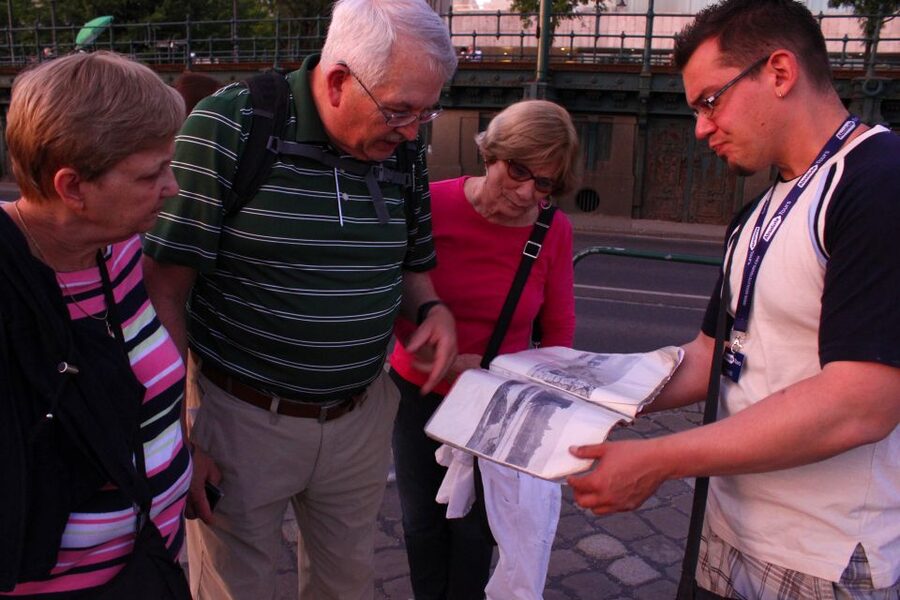
You hear what school life was like and how the state shaped a child’s early years. You also learn about passports and the limits placed on international travel. These details help explain the meaning of living behind the Iron Curtain without requiring you to already understand Hungarian politics.
The mention of Trabant cars adds a small but memorable piece of material culture. The car was not just transportation. It represented the limited choice and waiting that marked much of life in the Eastern Bloc. The reference to drinking spirits at work brings another kind of detail, one that may sound surprising until it is placed within the culture and pressures of the period.
I appreciate tours that explain how systems worked in practice. If your interest is only in architecture, this walk may feel talk-heavy. If you want to understand how government policy reached into homes, schools, offices, and travel plans, this subject matter gives the tour real value.
The 1956 Revolution exhibition
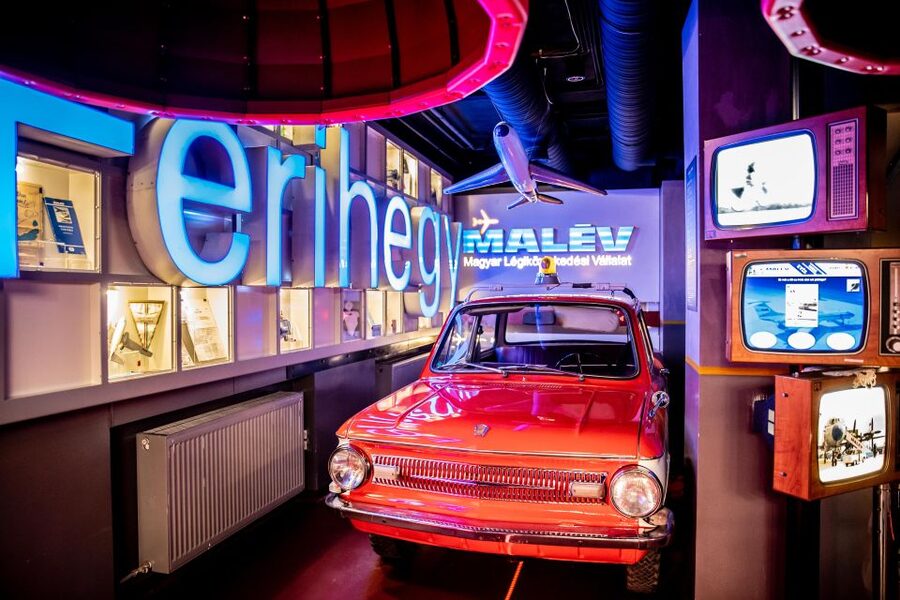
The 1956 Revolution is one of the central subjects on the route. You visit a small exhibition commemorating the uprising and hear about the first protests against what was described as an unethical regime.
The exhibition is not presented as a large museum visit. It is a compact stop within a walking tour, so you should expect a focused introduction rather than a full afternoon among displays. Its value comes from the guide’s explanation of what happened and why the protests mattered.
The tour presents the revolution as a turning point in Hungarian history. You hear about the first demonstrations and the wider fight back against the political order. The route then places those events in the actual center of Budapest, where public squares and government buildings make the story easier to follow.
This is also where the guide’s skill matters most. A well-prepared guide can explain the sequence clearly and show how one event led to another. One less positive experience with the tour was described as lacking order and enthusiasm, so I would keep that possibility in mind. The strongest feedback praises guides who speak in a clear, conversational way.
More walking tours in Budapest:
- Budapest: Buda Castle Walk with Saint Stephen’s Hall
★ 4.5 · 3,012 reviews - Big Bus Budapest Hop-On Hop-Off Bus and Walking Tour
★ 3.5 · 2,206 reviews - Budapest: Buda Castle District Walking Tour
★ 4.6 · 2,108 reviews - Budapest City Landmarks Walking Tour in 2 Hours
★ 5.0 · 2,048 reviews
Walking through the streets where events unfolded
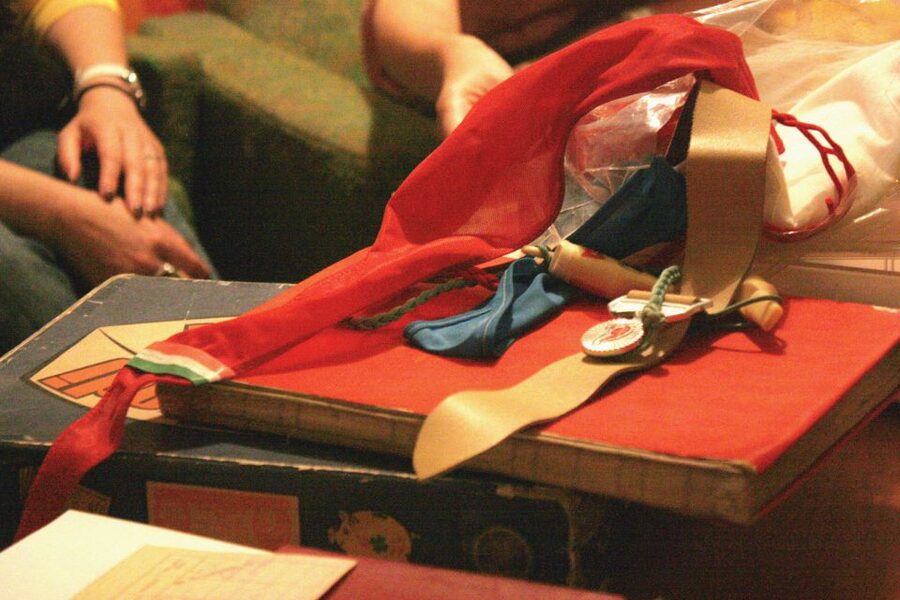
After the exhibition, the route continues through smaller streets in downtown Pest. These streets are not treated as mere scenery. They help connect the political story to the parts of Budapest where people lived, worked, protested, and moved through the city.
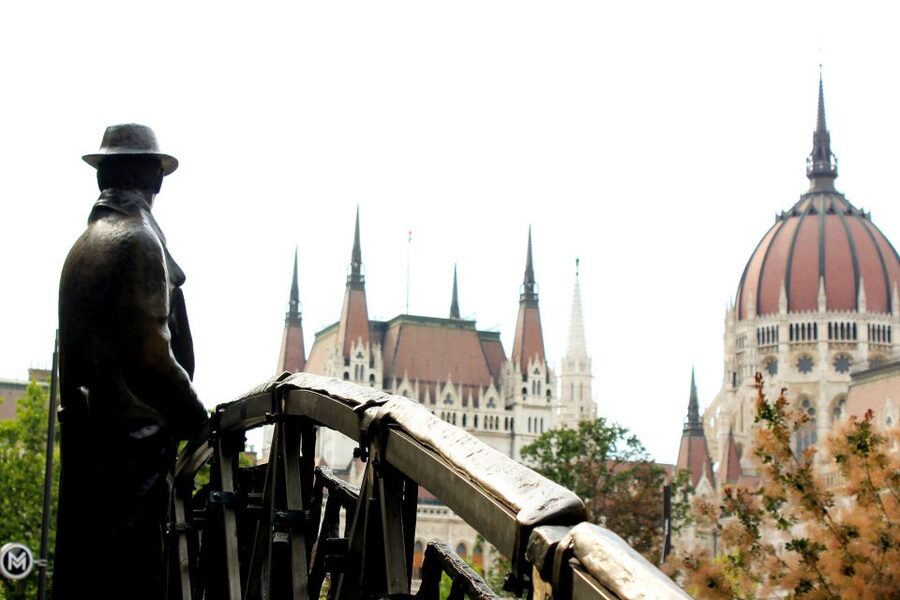
The walk continues toward the Hungarian Parliament. Parliament is one of Budapest’s most recognizable sights, but on this tour it serves a different purpose. You are not primarily visiting it as a grand architectural attraction. You are approaching it as a place tied to state power and national political life.
That change in viewpoint is useful. A normal sightseeing tour may ask you to admire the building. This walk asks you to think about the people and institutions that shaped Hungary during the communist period and the events that challenged them.
The route is best enjoyed at a steady pace. You need enough attention for the talk, and you may spend time standing while the guide explains a location. This is not a fast photo stop tour. Give yourself room in your schedule, and do not plan a demanding attraction immediately afterward.
Liberty Square and the last Soviet memorial
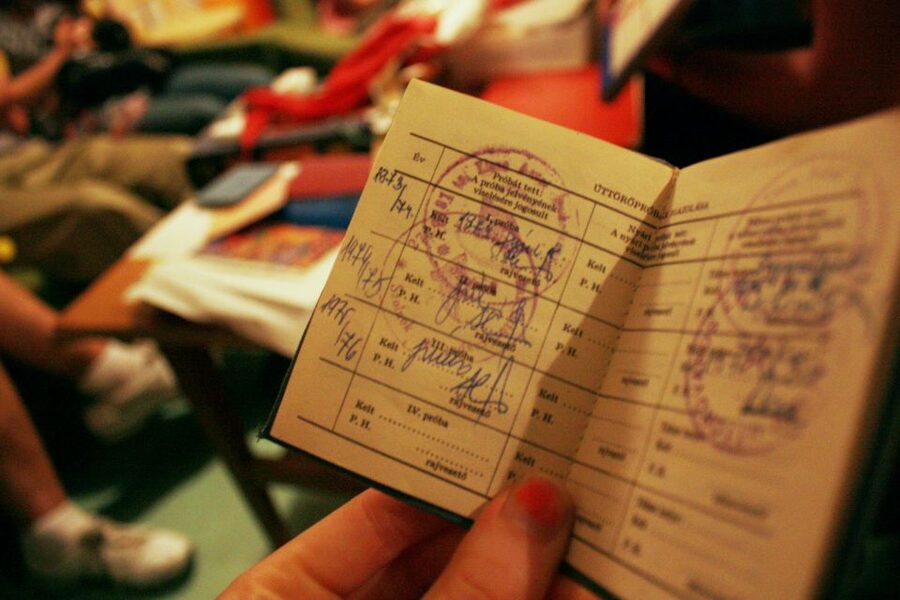
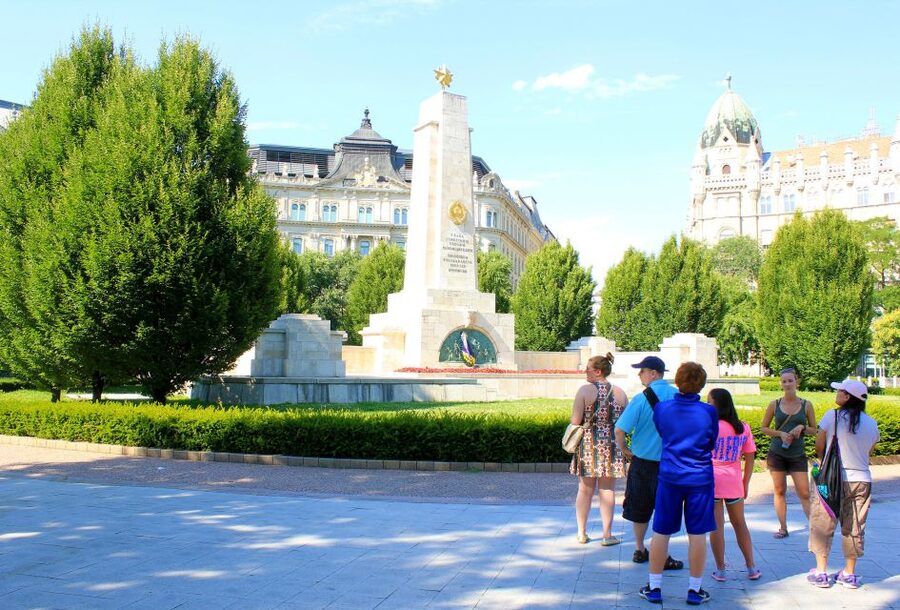
Liberty Square provides one of the most important stops on the tour. The square contains the last Soviet monument in Budapest, giving you a direct and visible reminder of the city’s communist past.
The memorial is especially interesting because it remains in a prominent central setting near Parliament. You do not have to travel to an out-of-the-way museum to encounter this part of history. The monument is part of the public city, surrounded by the modern life of Budapest.
A guide adds context that you would not necessarily get from looking at the monument alone. You learn why the memorial matters and how it fits into the broader story of Soviet influence, Hungarian politics, and public memory.
Liberty Square also helps bring the tour’s themes together. The 1956 Revolution, state power, Soviet presence, and modern Hungary all meet here in a way that makes the past feel less distant. For me, this is likely to be one of the walk’s strongest locations because the physical setting carries so much weight.
Guides, group size, and the quality of the explanation
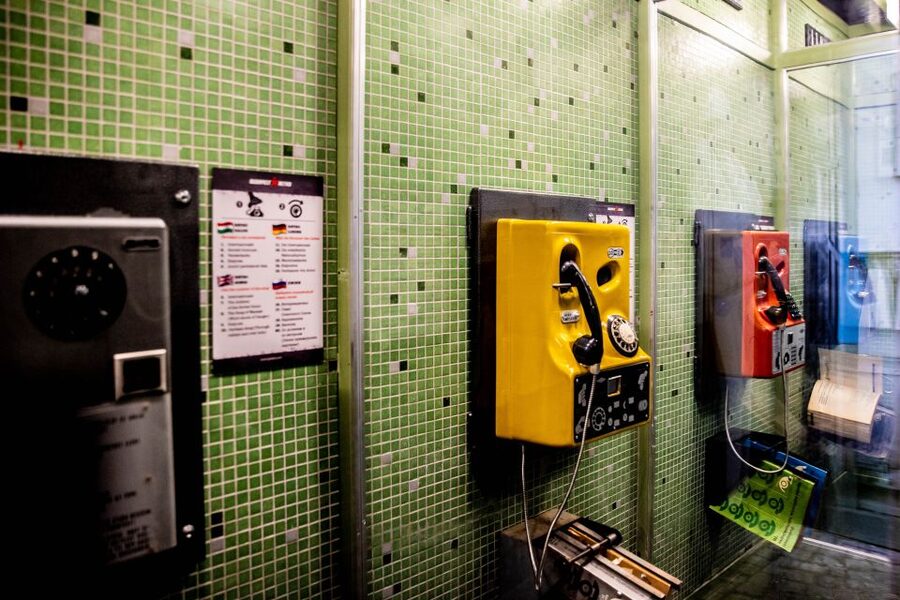
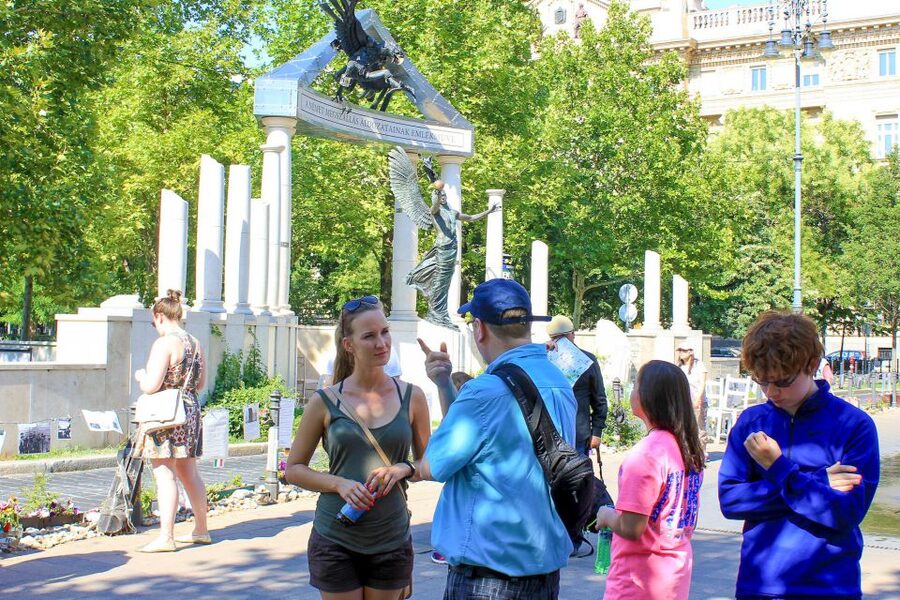
The tour is led in English by a licensed expert guide. Private and small-group options are available, which can make a real difference on a history walk. Smaller groups usually give you more room to ask questions and make it easier to hear the guide on city streets.
Guide quality appears to be the biggest variable. The most positive experiences describe guides as personable, prepared, informative, and able to explain Hungarian history in an interesting conversational manner. George is praised by name in one account, along with the company Absolute Tours.
Another strong experience came from a guide who kept both an 11-year-old and a 17-year-old engaged, even though the tour is now not recommended for children under 14. That suggests a good guide can adjust the explanation for different ages, but the subject remains better suited to teenagers and adults.
One less favorable experience points to limited enthusiasm and a talk that needed more information and a clearer sequence. That is useful advice. Before booking, you should decide how much you value a lively guide. The route itself is meaningful, but the tour depends on spoken explanation, so delivery matters.
The included refreshment and the Trabant connection

A coffee, tea, or soft drink is included. It is a small benefit, but welcome after a long walk and a useful pause during a serious subject. Food is not included, so do not expect a meal or a full tasting experience.
One past experience also included coffee and a traditional Hungarian dessert at Trabant 60. The current details list a refreshment, but not a guaranteed dessert, so you should treat the sweet as a possible past feature rather than part of the standard package.
Still, the Trabant reference fits the tour’s theme well. The car is tied to the everyday experience of communist-era Hungary, and a refreshment stop connected with it can give the historical discussion a more tangible finish. Ask at booking if the exact refreshment arrangement matters to you.
Is $72 a fair price?
The current price is $72 per person. That is a substantial amount for a 2.5-hour walking tour, particularly when food and gratuity are not included. An older review also questioned the value at $60, which means price sensitivity is a genuine concern.
The cost becomes easier to justify if you choose a private or very small group and want a focused guide for Hungarian communist history. You are paying for a licensed English-speaking guide, a structured route, an exhibition visit, and interpretation at Parliament and Liberty Square. You are not paying for transportation or entry to a large museum.
If you already know a great deal about Hungary and prefer to explore independently, the price may feel high. You could visit central landmarks on your own, but you would lose the connected explanation about school, passports, protests, Soviet influence, and daily routines.
I would book this tour for the subject, not for the number of sights. It offers depth rather than a long checklist. The value is strongest for someone who wants a clear introduction during a first Budapest visit, or for someone with a specific interest in the Cold War and 1956.
Who will enjoy this walk most?
This experience suits adults, history students, Cold War enthusiasts, and anyone curious about how political systems affect normal life. It also works well for people who prefer walking and conversation to a formal museum visit.
You do not need a specialist background. The tour begins with a broad look at communist Hungary and builds through examples from daily life. If you already know general communist history, you can still gain more specific insight into Hungary, as one particularly positive experience found.
The tour is less suitable for young children. It is not recommended for anyone under 14 because of the subject matter. It is also a poor match if you dislike extended walking, standing, or outdoor tours in uncertain weather.
I would also avoid scheduling it when you are tired from a long arrival day. Two hours of continuous walking combined with a serious political subject requires attention. Plan it for a time when you can listen properly and ask questions.
Booking details that affect your decision
The tour lasts 2.5 hours, with starting times based on availability. It operates in all weather conditions, so your clothing choice matters. Comfortable shoes are essential, not optional.
You can meet at the Lutheran Church on Deák Ferenc Square, or request pickup from centrally located accommodation when booking. Pickup and drop-off are not included as standard, and food is also excluded. Gratuity is optional.
You can cancel up to 24 hours before the experience for a full refund. A reserve-now, pay-later option is available, which helps if your Budapest schedule is still changing.
The tour is offered in English. Private or small-group formats are available, but the exact group arrangement should be checked when you select your booking.
Should you book the Hammer & Sickle tour?
Book it if you want Budapest’s communist past explained through real places and everyday examples. The 1956 exhibition, Liberty Square Soviet memorial, Parliament area, and stories about passports, school, Trabants, and work create a useful picture of life behind the Iron Curtain.
Think twice if you want a low-cost sightseeing walk or a light introduction to Budapest. At $72, the tour asks you to value the guide’s interpretation, and the quality may depend on how well your guide organizes and presents the material.
My advice is simple: choose a private or small group if the subject matters to you, wear proper shoes, and allow the full two and a half hours. For history-minded adults, this can be one of the more meaningful ways to understand modern Budapest. For casual sightseeing, it may cost more than you need to spend.
FAQ
How long is the Budapest Hammer & Sickle Communism Walking Tour?
The tour lasts 2.5 hours and includes about two hours of continuous walking.
Where does the tour meet?
Meet at 1052 Budapest, Deák Ferenc tér 4, in front of the pale yellow Lutheran Church, on the church steps.
What language is the tour offered in?
The tour is offered in English with a live guide.
What places does the tour visit?
The route includes a small exhibition about the 1956 Revolution, downtown Pest streets, the Hungarian Parliament area, and Liberty Square with its last Soviet memorial.
Is a refreshment included?
Yes. You receive a coffee, tea, or soft drink. Food is not included.
Is the tour suitable for children?
The tour is not recommended for children under 14 because of the subject matter.
What should I bring?
Bring comfortable shoes, comfortable clothing, and weather-appropriate clothing. The tour operates in all weather conditions.
Just added in Budapest
- Budapest: Private Walking Tour with a Local Guide★ 3.6 · 6 reviews
- Budapest: Danube River Views Bike Ride★ 4.8 · 23 reviews
- Budapest: City Bike Tour with Coffee Stop★ 5.0 · 37 reviews
- From Budapest: Guided Tour of Eger with Wine Tasting★ 4.5 · 6 reviews
- Walk to recent and aged spiritual sanctuaries near Budapest★ 5.0 · 5 reviews
- Walking consultancy with alternative psychologist and author★ 5.0 · 2 reviews
- Budapest: Guided Tour of the Parliament Building in Spanish★ 4.6 · 1,240 reviews
- True Crime Walking Tour in the Buda Castle district★ 5.0 · 26 reviews
Communist History Tours, compared.
Communist History Tour with House of Terror Option
Read our review →3-Hour Walking Tour About Communism (Small Group)
Read our review →

Lives of Hungarians Under Communist and Capitalist system
Read our review →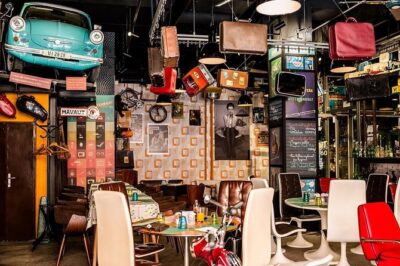
Private Budapest Hammer & Sickle Communist Times Tour
Read our review →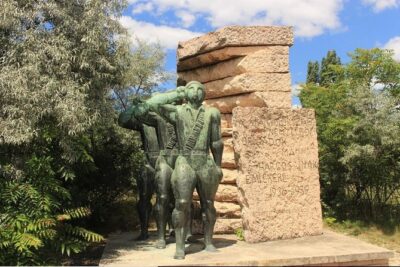
Memento Park Visit with Private Trabant Transfer
Read our review →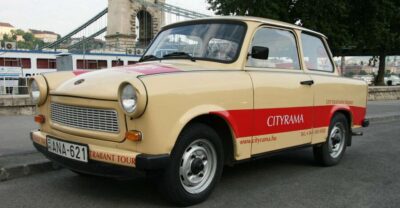
Browse the lists this tour appears in